
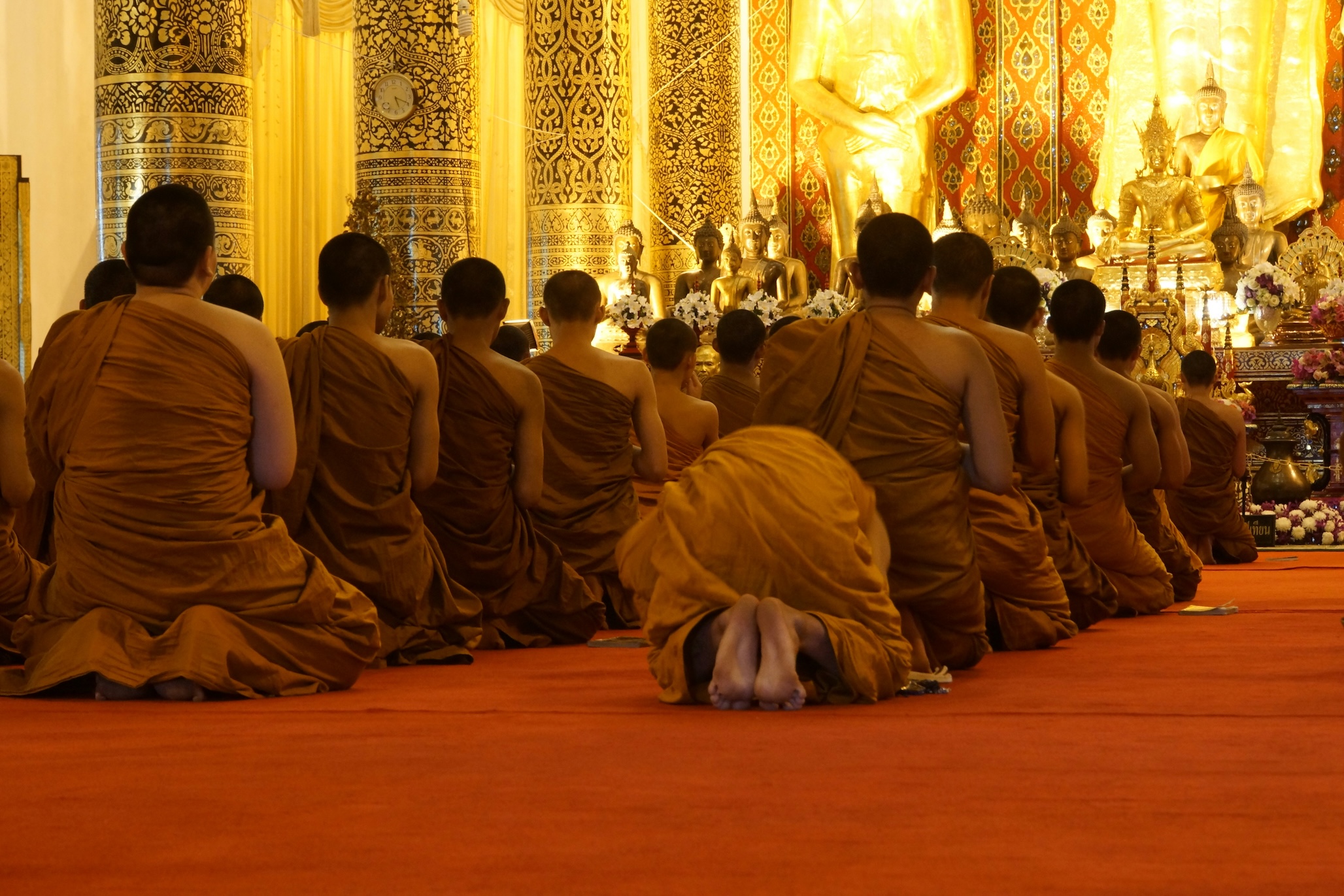
In this world, there are places which inherently feel silent and peaceful. And then there are places where silence is practiced, shaped and protected.
The monasteries of Dharamshala belong to the second kind.
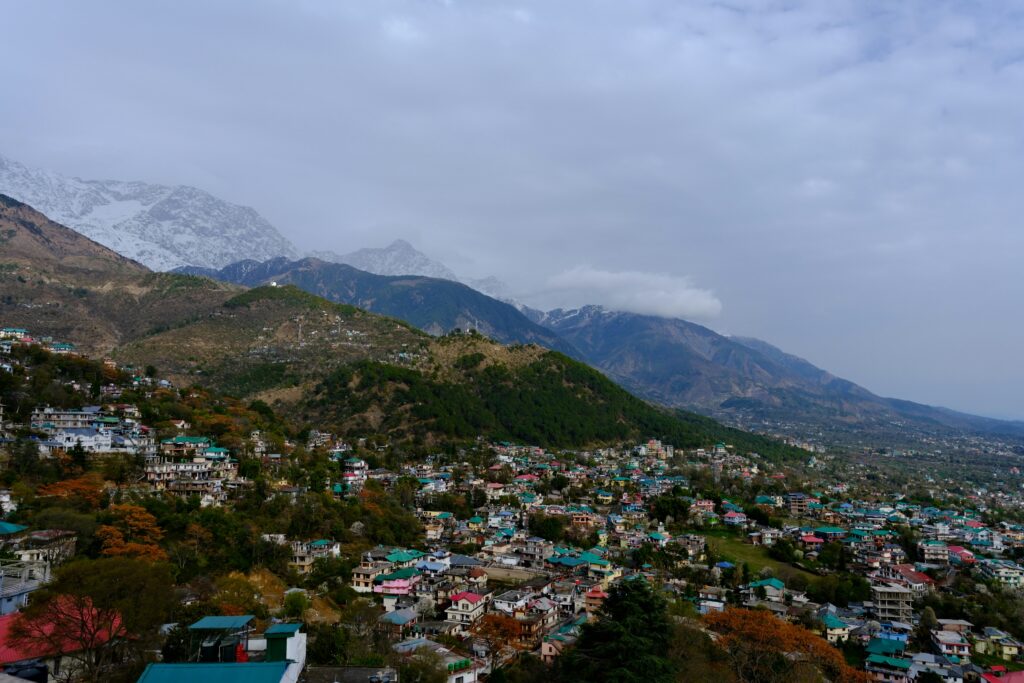
Set against the cedar forests of Himachal Pradesh and watched over by the Dhauladhar range, the monasteries of Dharamshala are not relics or museums of ancient times. They are living spaces, places where prayer happens daily, debates unfold in courtyards, and learning continues quietly, year after year.
This guide brings together the most important monasteries in Dharamshala and nearby areas, along with their history, significance, visiting experience, timings, and practical travel information. Whether you are visiting for the first time or returning with more time and curiosity, this is meant to help you understand these places and not just tick them off a list.
If you’re visiting Dharamshala for the first time, this broader Dharamshala travel guide 2026 will help you understand how monasteries fit into the overall experience of the region.
Table of Contents
Why Dharamshala Is Known for Tibetan Monasteries
Dharamshala’s identity is deeply tied to Tibetan Buddhism. In 1959, following the Tibetan uprising, His Holiness the 14th Dalai Lama arrived in India and eventually settled in McLeod Ganj. What followed was not just resettlement, but cultural preservation.
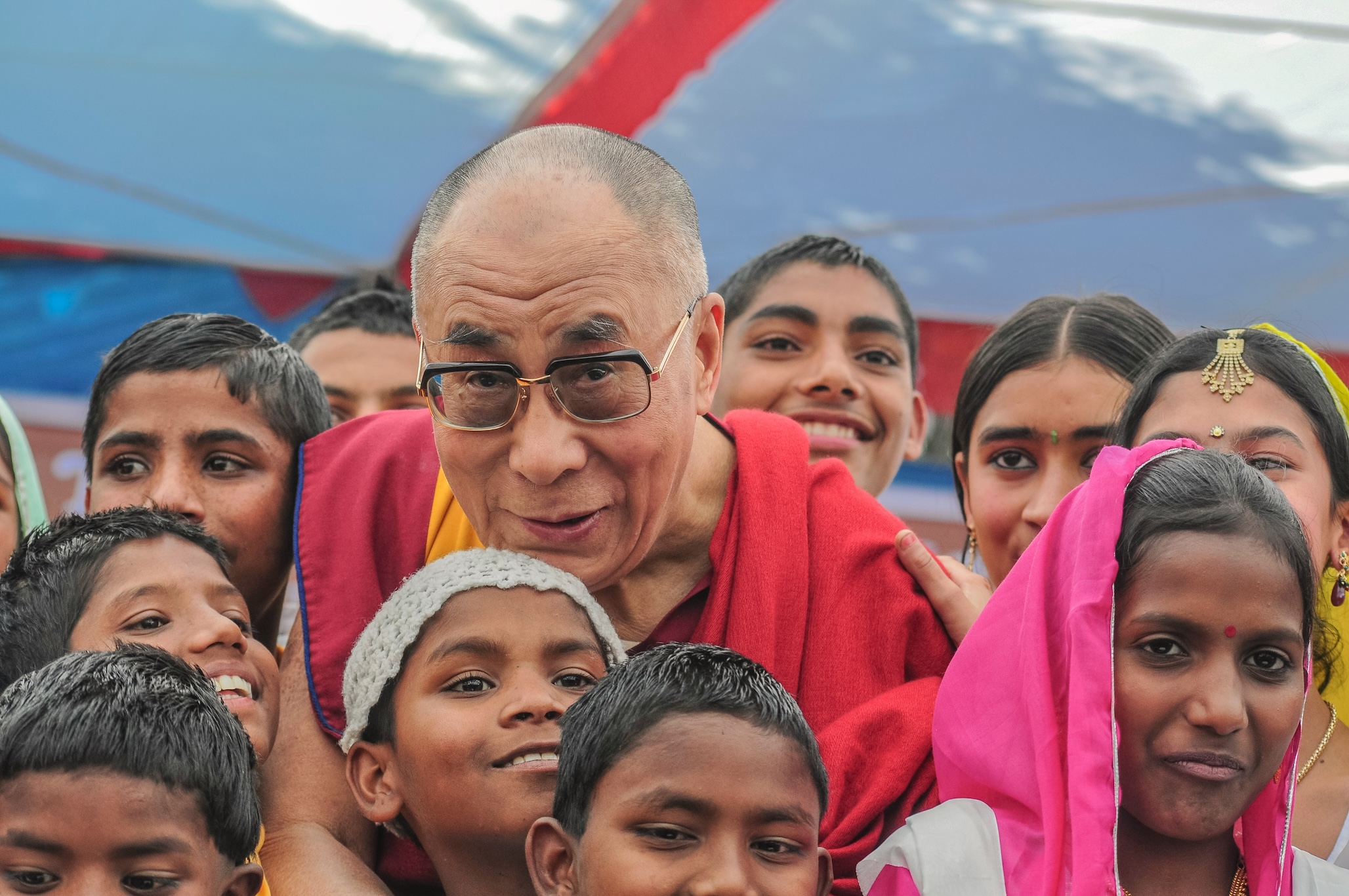
After the Tibetan exile in 1959, Dharamshala became the seat of the Central Tibetan Administration, establishing the town as the spiritual and administrative centre of the Tibetan diaspora in India.
Buddhist temple Monasteries, schools, libraries, and learning centres emerged as pillars of a community rebuilding itself in exile. Philosophy, ritual, debate and discipline were fostered daily in these institutions.
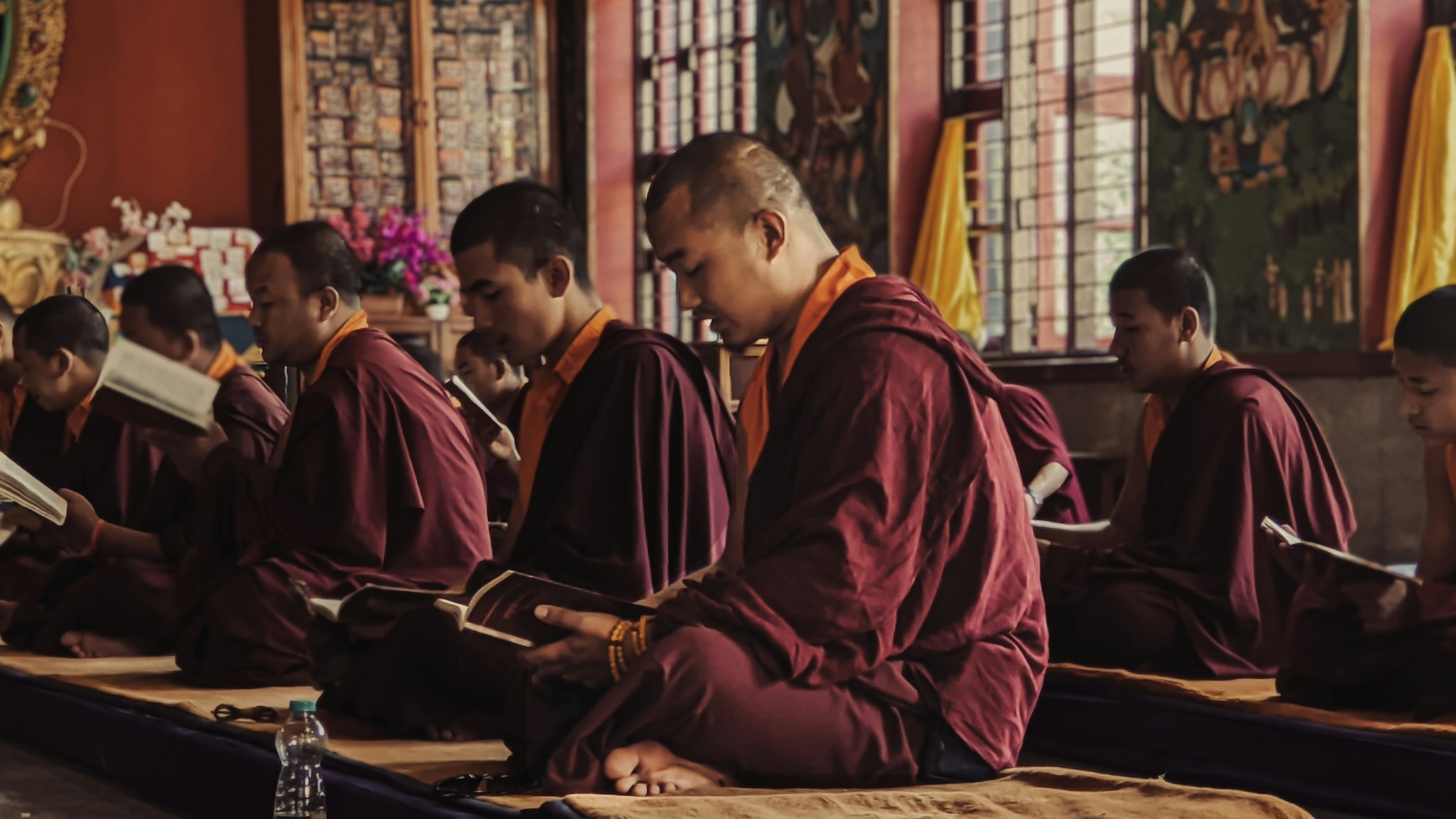
Today, Dharamshala is often referred to as Little Lhasa – making it one of the most important centres of monasteries in Dharamshala and Tibetan spiritual life in India, not as a replica, but as a continuation of Tibetan spiritual life.
Understanding Tibetan Monasteries (Before You Visit)
In the Tibetan tradition, a monastery is more than a place of worship. It functions as:
- A university for Buddhist philosophy
- A residence for monks and scholars
- A centre for prayer
- A cultural archive
- A disciplined community
Some monasteries focus on Tantric practices, others on scholastic debate, while some serve historical or ceremonial roles. Understanding this helps visitors approach these spaces with patience rather than expectation.
The buddhist monastery built here are not for tourists, yet they remain open to visitors willing to observe respectfully.
They are active spaces of learning, prayer, and discipline. Approaching them with patience and realistic expectations shapes the experience far more than ticking locations off a list.
How to Choose Monasteries Based on Your Travel Style
If you have limited time or specific interests, this guide can help you prioritise the most meaningful monasteries in Dharamshala based on your travel style.
If you’re planning to cover multiple monasteries along with other places, this Dharamshala itinerary (2–7 days) will help you structure your time efficiently.
Short stay (1–2 days)
Namgyal Monastery + Gyuto Monastery + Norbulingka Institute
Quiet & reflective experience
Tsechokling Monastery + Dorzong Monastery
Cultural understanding (first-time visitors)
Namgyal Monastery + Norbulingka Institute
Beyond McLeod Ganj (half-day or more)
Dorzong Monastery or Sherabling Monastery
Not every monastery needs a long visit. Choosing fewer places allows for better observation and less rushing.
Famous Monasteries in Dharamshala & Nearby Areas
Namgyal Monastery
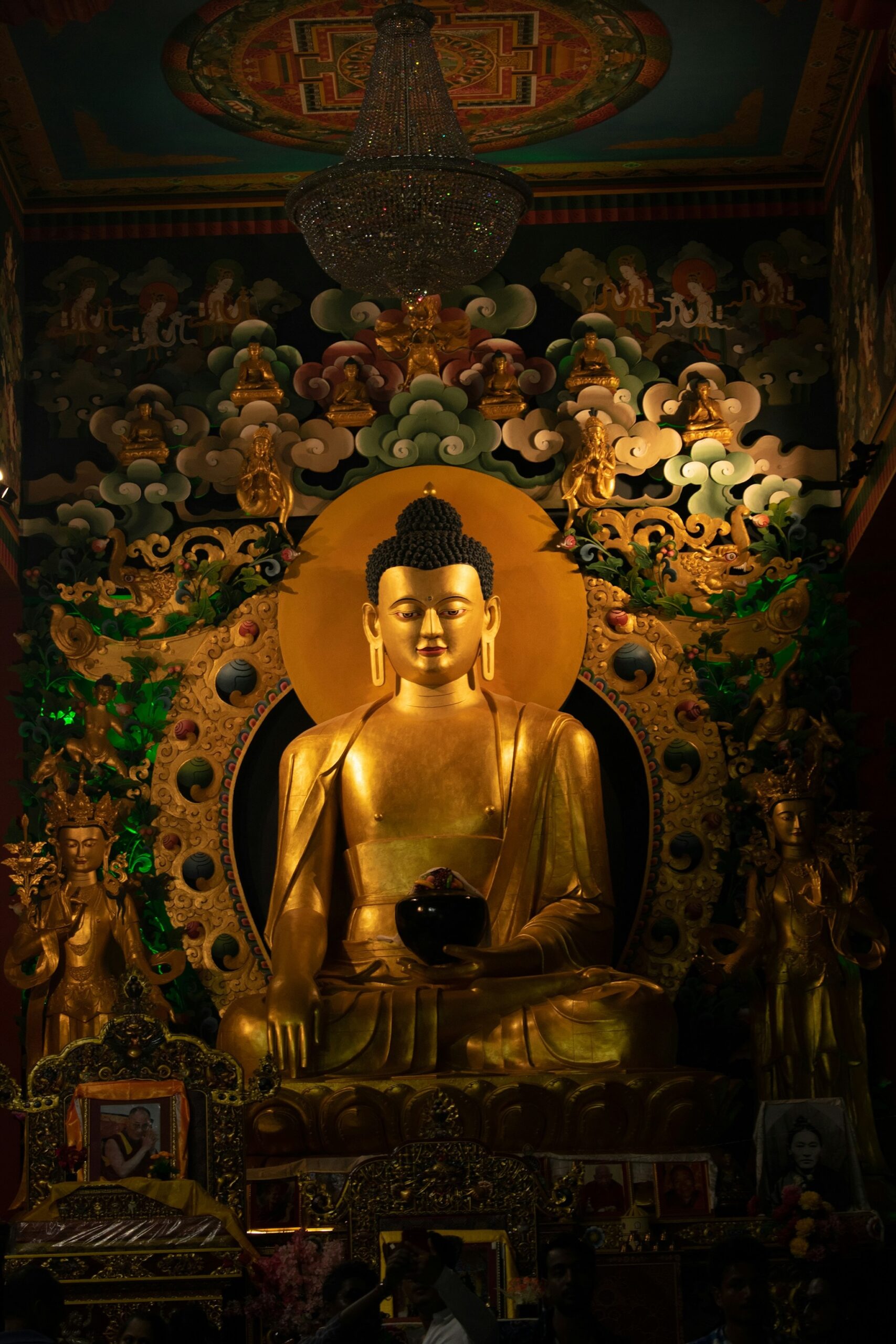
Located within the Tsuglagkhang Complex in McLeod Ganj, Namgyal Monastery is the spiritual heart of Dharamshala. It is known the personal monastery of the Dalai Lama and one of the most important Tibetan monasteries outside Tibet.
Founded in the 16th century and later re-established in exile, Namgyal functions as an advanced learning institute where monks study logic, philosophy, metaphysics, and ritual practices over many years.
For visitors, the experience is understated which includes prayer halls reverberating with the soft humming of monks engaged in prayer, making Namgyal a natural starting point when exploring other monasteries in Dharamshala and nearby areas, when exploring other places to visit in Dharamshala.
McLeod Ganj is also one of the most popular areas to stay, this guide on where to stay in Dharamshala (best areas and hotels) can help you choose the right base.
Typical visiting hours: 9:00 AM – 12:00 PM; 2:00 PM – 5:00 PM
Suggested time: 30–60 minutes (longer if attending a prayer session)
Best for: First-time visitors, understanding Tibetan Buddhism, observing daily monastic life
Entry fee: Free (donations welcome)
May be closed or restricted during:
- Prayer sessions
- Teachings by the Dalai Lama
- Tibetan religious holidays
Gyuto Monastery
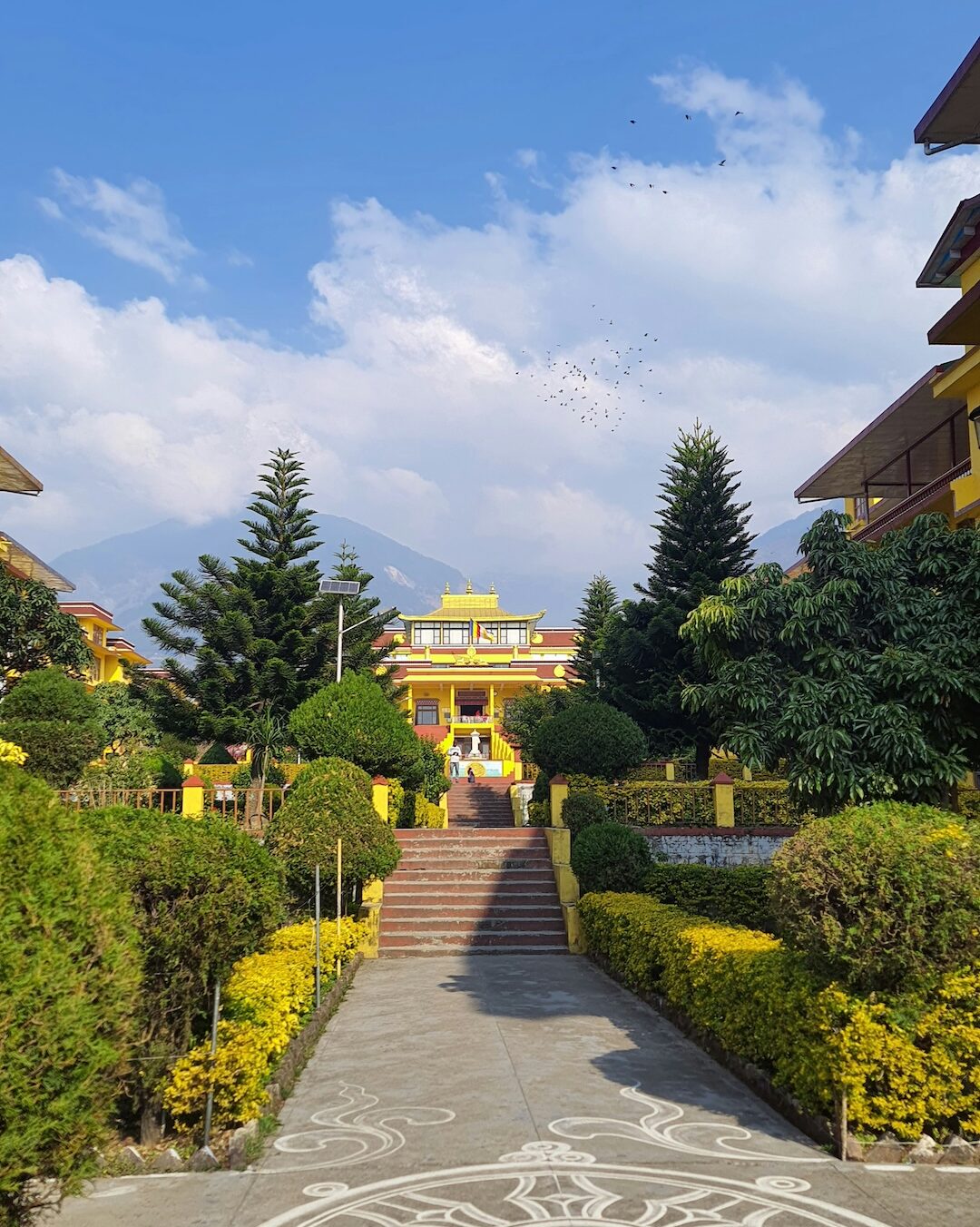
Gyuto Monastery, located near Sidhbari, Dharamshala, is known for preserving Tantric Buddhist traditions and its distinctive deep overtone chanting. Re-established in exile in the 1970s, it offers a very different atmosphere from the compact monasteries of McLeod Ganj.
Set on open land with wide mountain views, Gyuto feels expansive and meditative. On certain days, the chanting can be heard across the valley in a slow, resonant, and deeply grounding sense.
Typical visiting hours: 8:00 AM – 12:00 PM; 3:00 PM – 6:00 PM
Suggested time: 30–45 minutes
Best for: Chanting rituals, spacious settings, meditative atmosphere
Entry fee: Free
Location:
Gyotu Monastery, Sidhbari, Dharamshala
May be closed or restricted during:
- Tantric rituals
- Special chanting ceremonies
Tsechokling Monastery (Dip Tse Chok Ling)
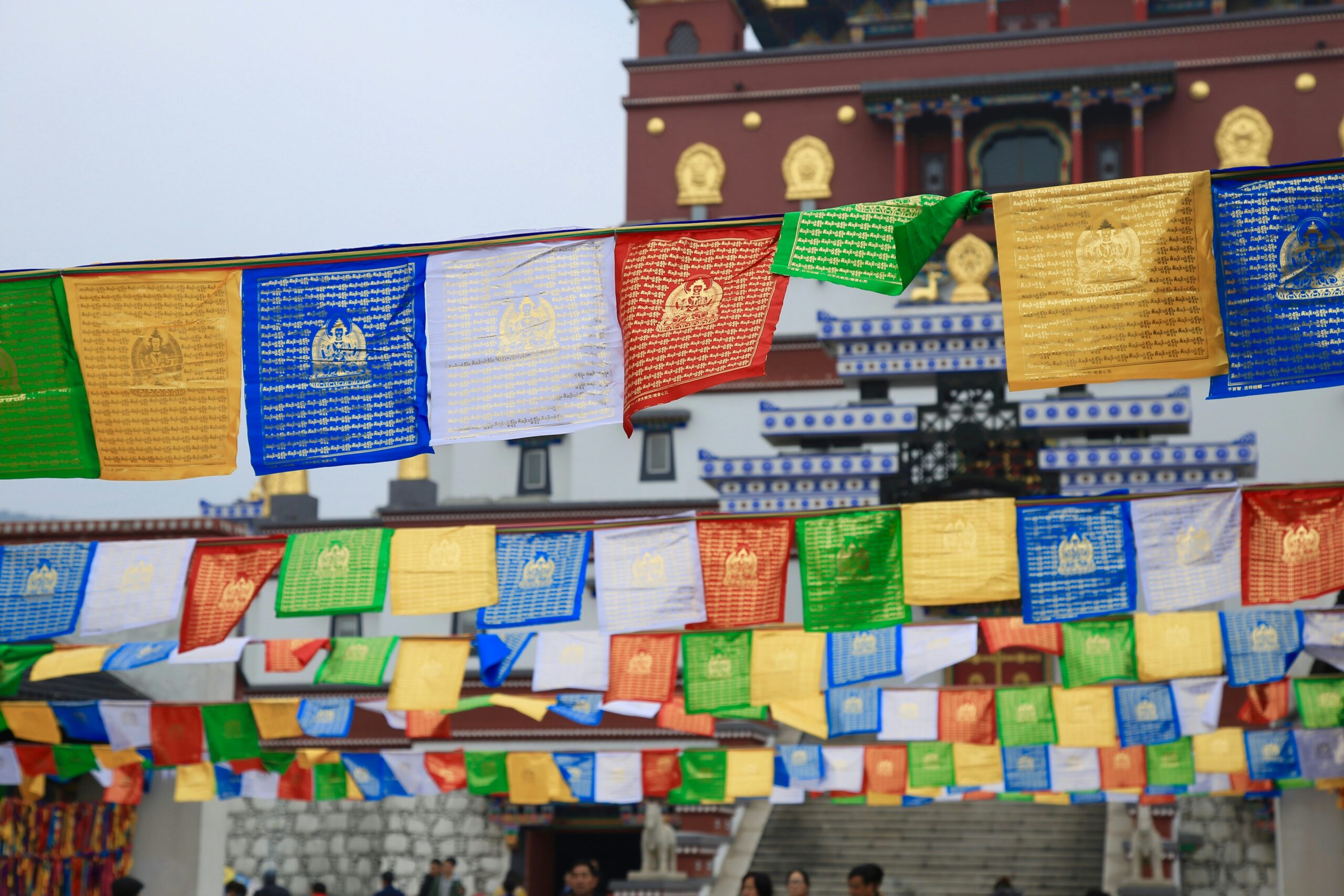
Tsechokling Monastery offers one of the quietest monastic experiences in Dharamshala. Primarily an educational monastery, it focuses on the study of Buddhist philosophy and logic.
There is little ornamentation here. What visitors notice instead is discipline in the long hours of study, silence and prayer.
Typical visiting hours: 9:00 AM – 5:00 PM
Suggested time: 20–40 minutes
Best for: Quiet observation, philosophical study environments
Entry fee: Free
Location: McLeod Ganj, Tsechokling Monastery
📍 [View exact location on Google Maps]
Visitor note: This monastery functions primarily as a study space. Visitors are welcome, but quiet observation is expected; conversations, phone use, and lingering near study areas are discouraged.
May be closed or restricted during:
- Study sessions
- Examination periods for monks
Nechung Monastery
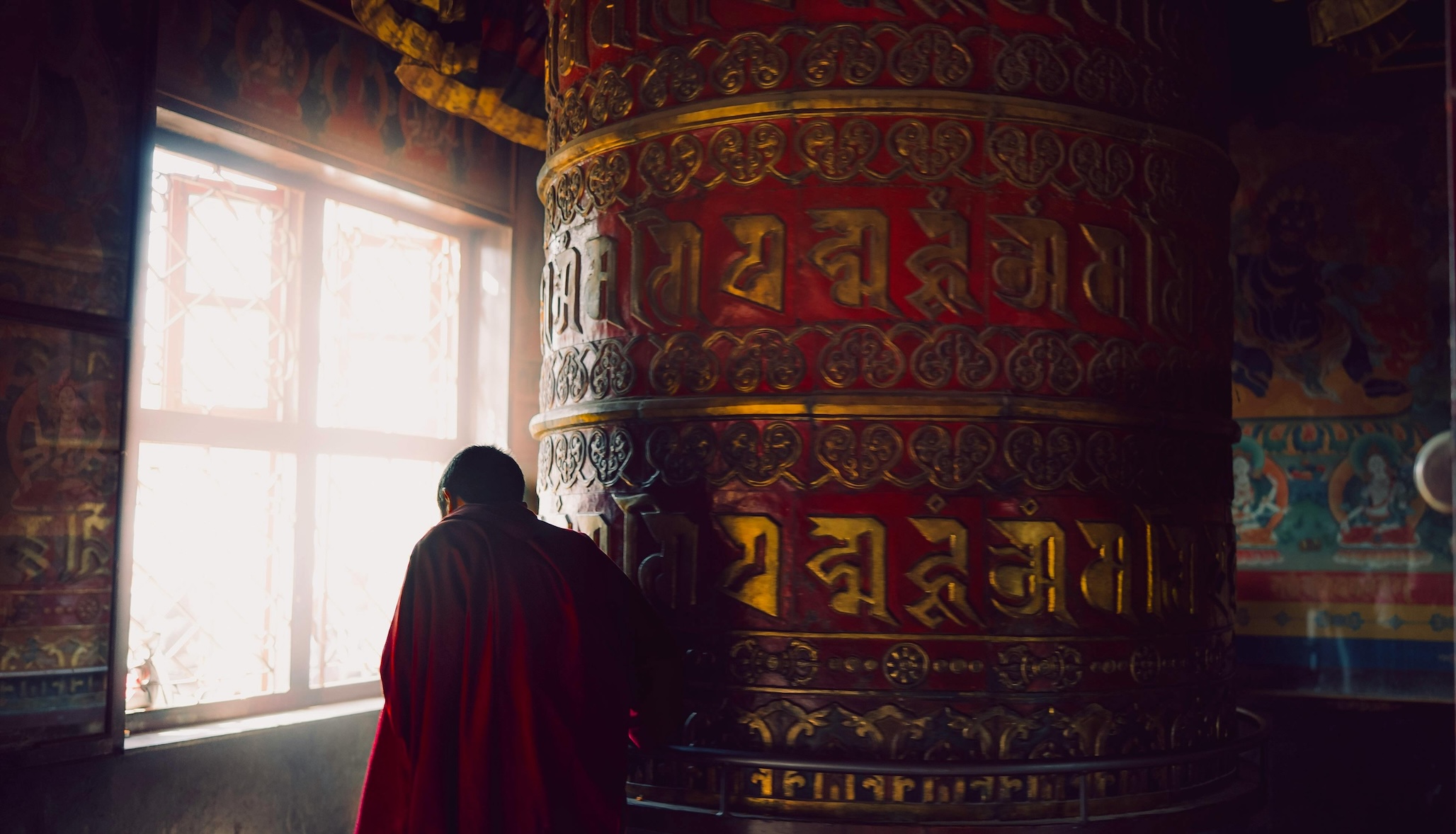
Nechung Monastery holds a unique place in Tibetan history as the seat of the State Oracle. Traditionally, the Oracle played an important role in spiritual consultations related to governance and national decisions.
Though modest in size, Nechung’s historical significance sets it apart. Murals and ritual objects inside reflect centuries-old traditions rarely discussed in mainstream travel guides.
Typical visiting hours: 6:00 AM – 5:00 PM
Suggested time: 15–25 minutes
(longer only if you arrive during a quiet prayer period)
Best for: Visitors interested in Tibetan state traditions, symbolism, and ritual history
Entry fee: Free
Location: Gangchen Kyishong, Below The Tibetan Library, Upmuhal, Mcleod Ganj
📍 [View exact location on Google Maps]
Notes for planning:
Nechung is small and ceremonial in nature. There is little to “see” in a conventional sense, but its importance lies in function rather than scale. Best visited briefly and respectfully, often alongside Namgyal Monastery.
May be closed or restricted during:
- Oracle-related rituals
- Specific ceremonial days (not publicly listed)
Norbulingka Institute
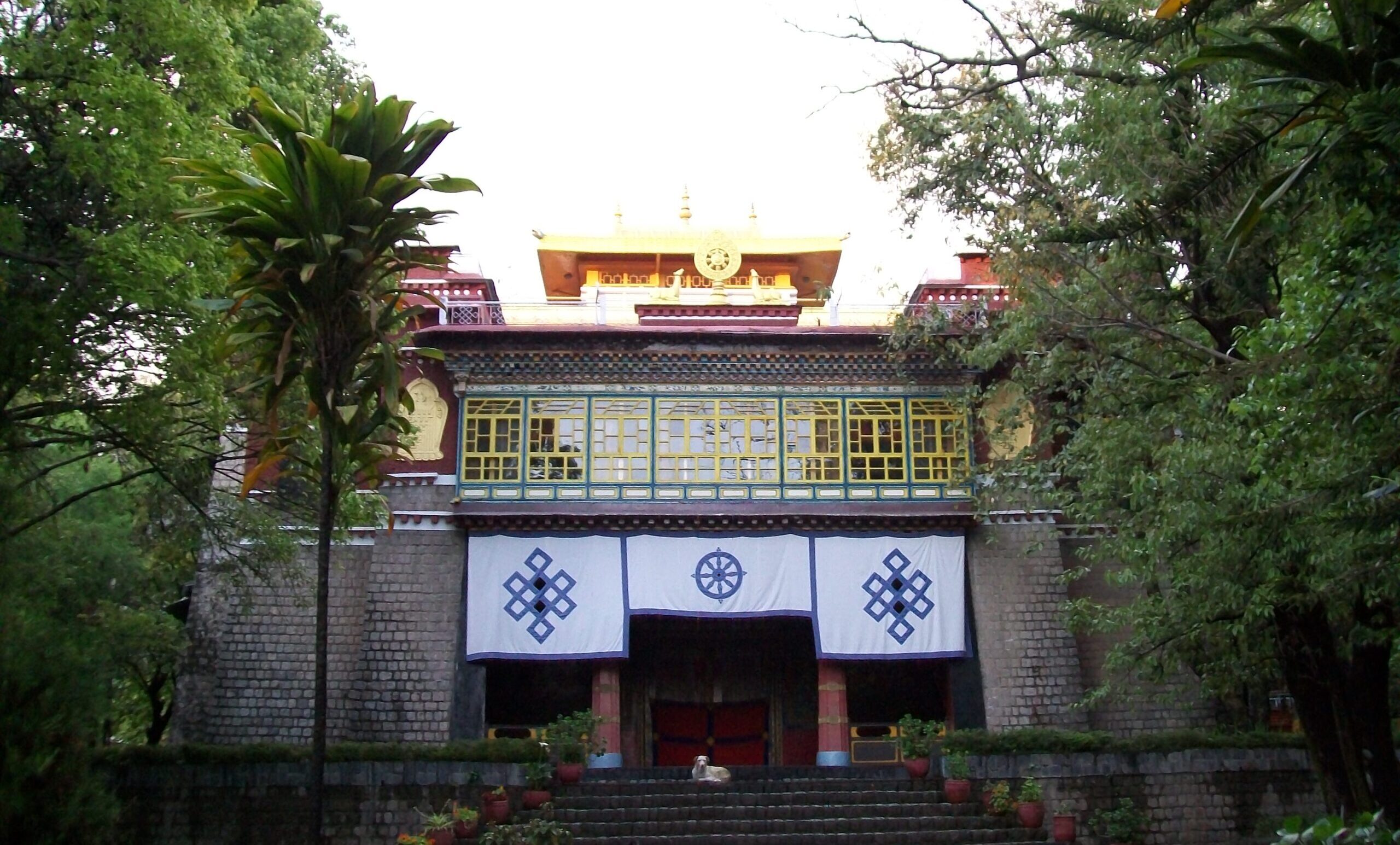
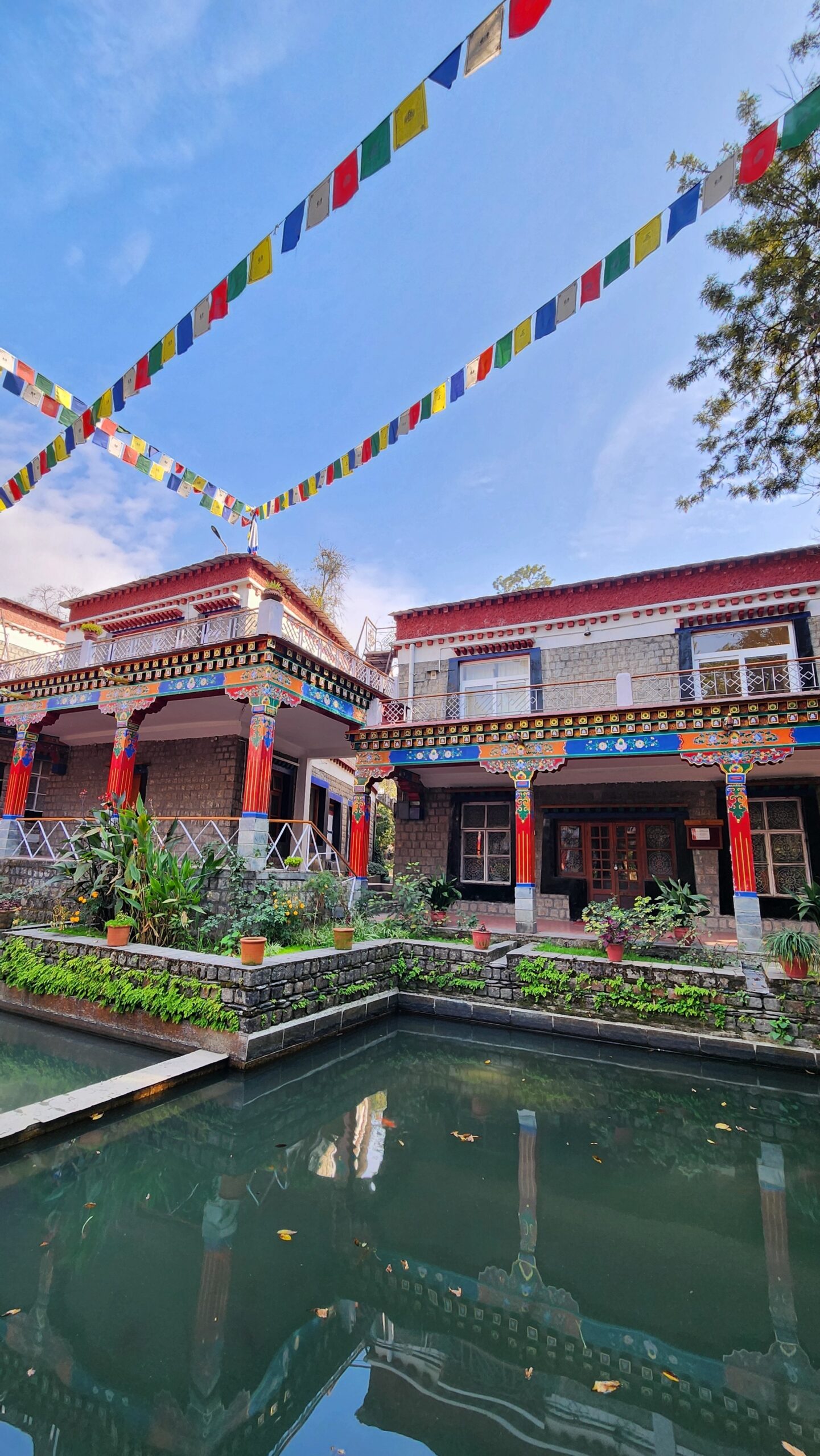
While not a monastery in the strict sense, Norbulingka Institute plays a vital role in preserving Tibetan culture. Set amidst landscaped gardens, it houses workshops for thangka painting, wood carving, and statue making.
Beyond its galleries and workshops, Norbulingka also houses studios and stores selling handcrafted Tibetan art and crafts available at Norbulingka, many of which are produced on-site by trained artisans.
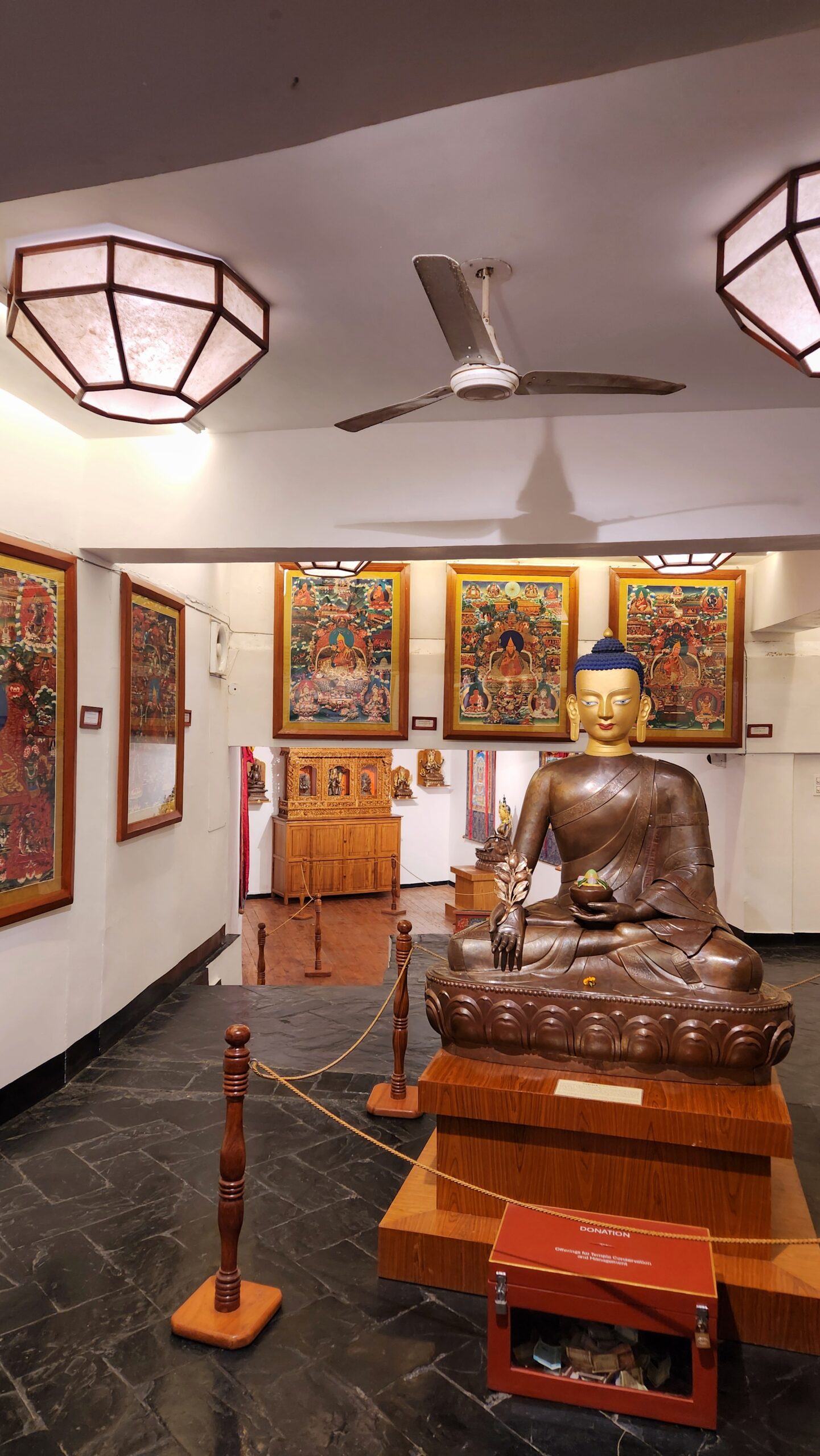
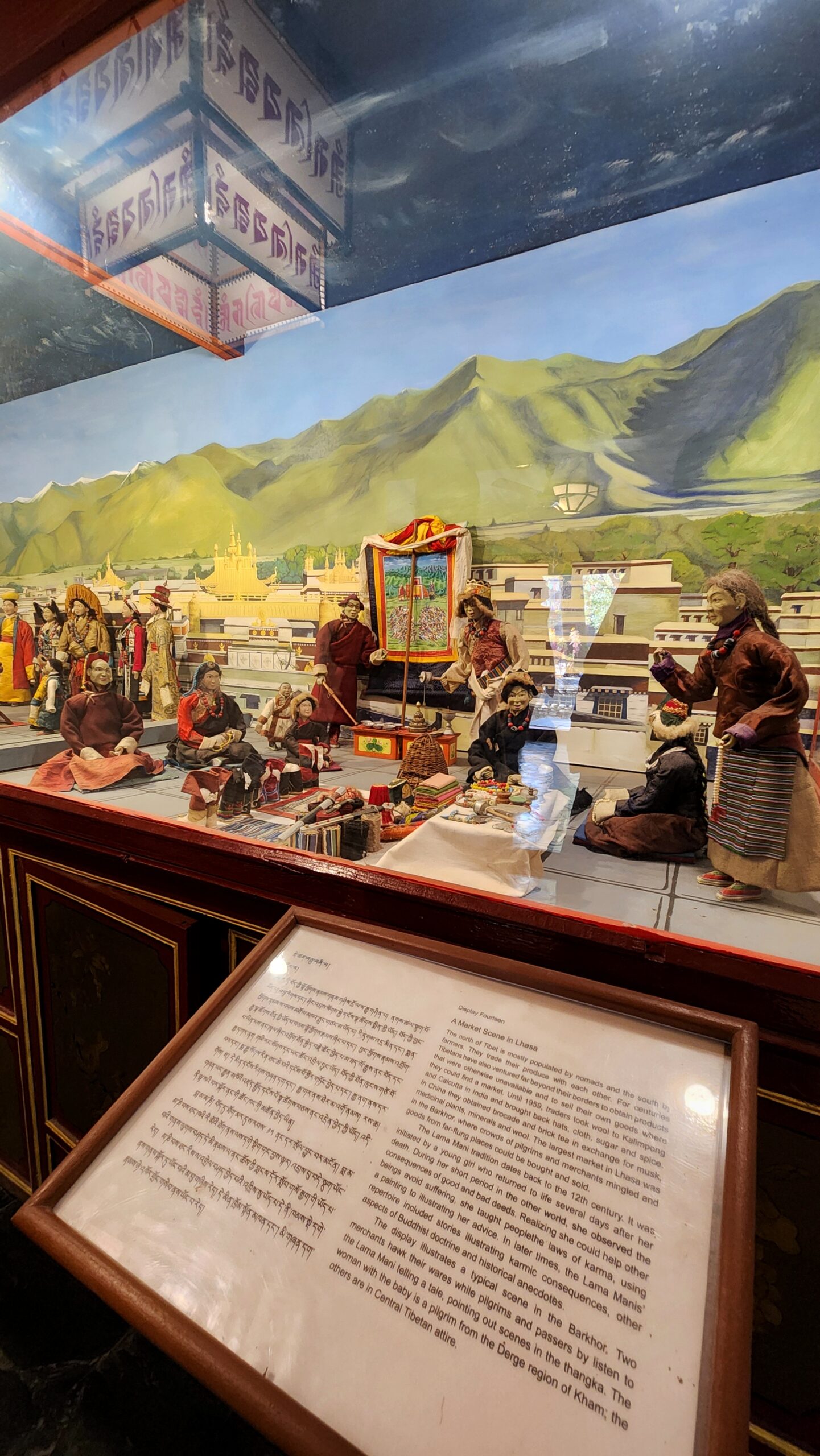
Norbulingka helps visitors understand how spirituality, art, and daily life intersect within Tibetan culture.
Typical visiting hours: 9:00 AM – 5:30 PM
Suggested time: 60–90 minutes
(longer if you explore workshops, museum spaces, or the gardens)
Best for: Cultural understanding, first-time visitors, art and craft enthusiasts, visitors who want context without entering active prayer spaces
Location: Sidhpur, Dharamshala
📍 [View exact location on Google Maps]
Notes for planning:
Norbulingka functions more like a cultural campus than a traditional monastery. It’s structured, accessible, and ideal if you want to understand Tibetan art, architecture, and heritage in a visitor-friendly setting.
Entry fee: ₹30–₹50 (approx., subject to change)
May be closed during:
- Major Tibetan holidays
- Cultural events
Dorzong Monastery
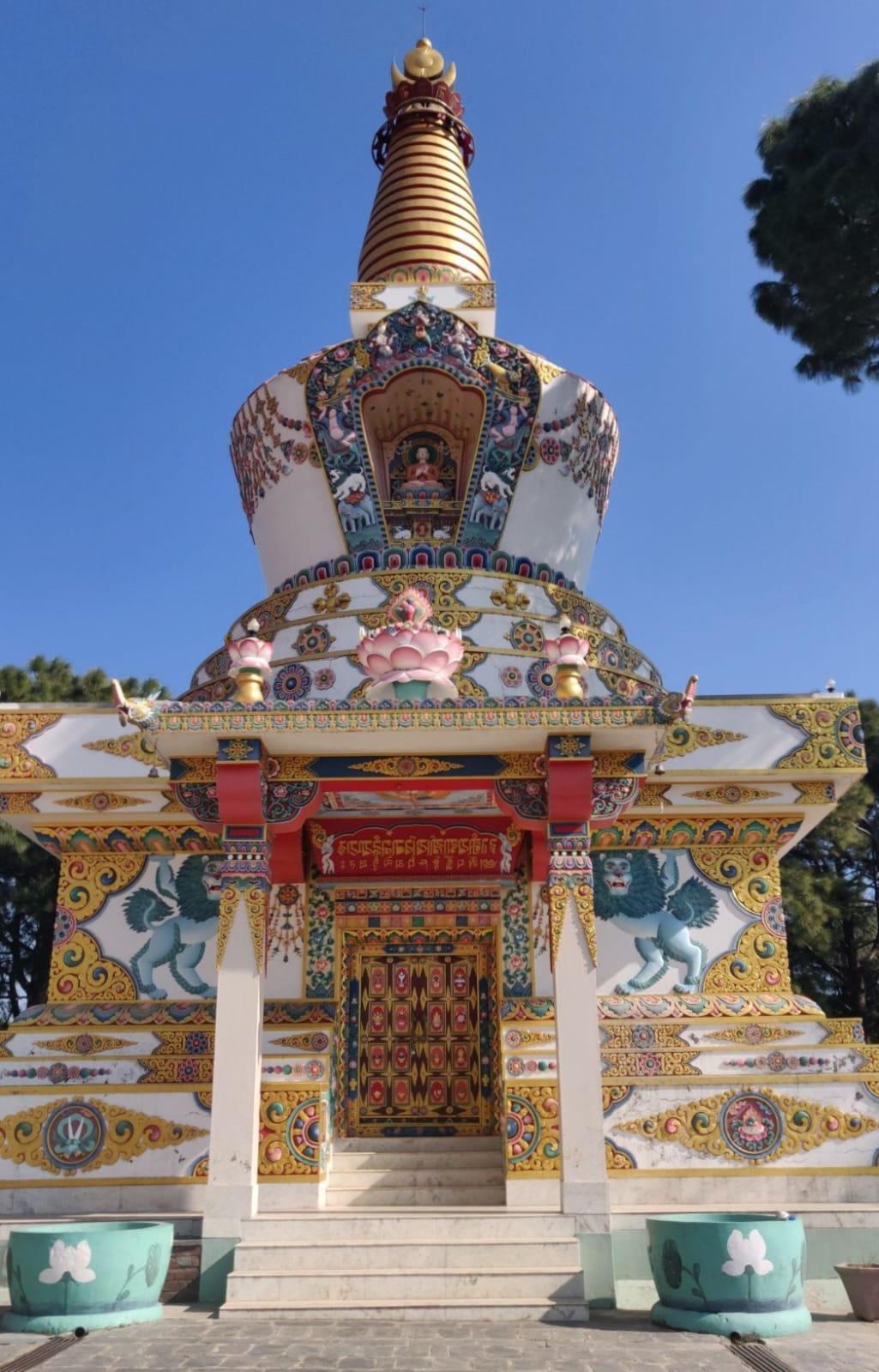
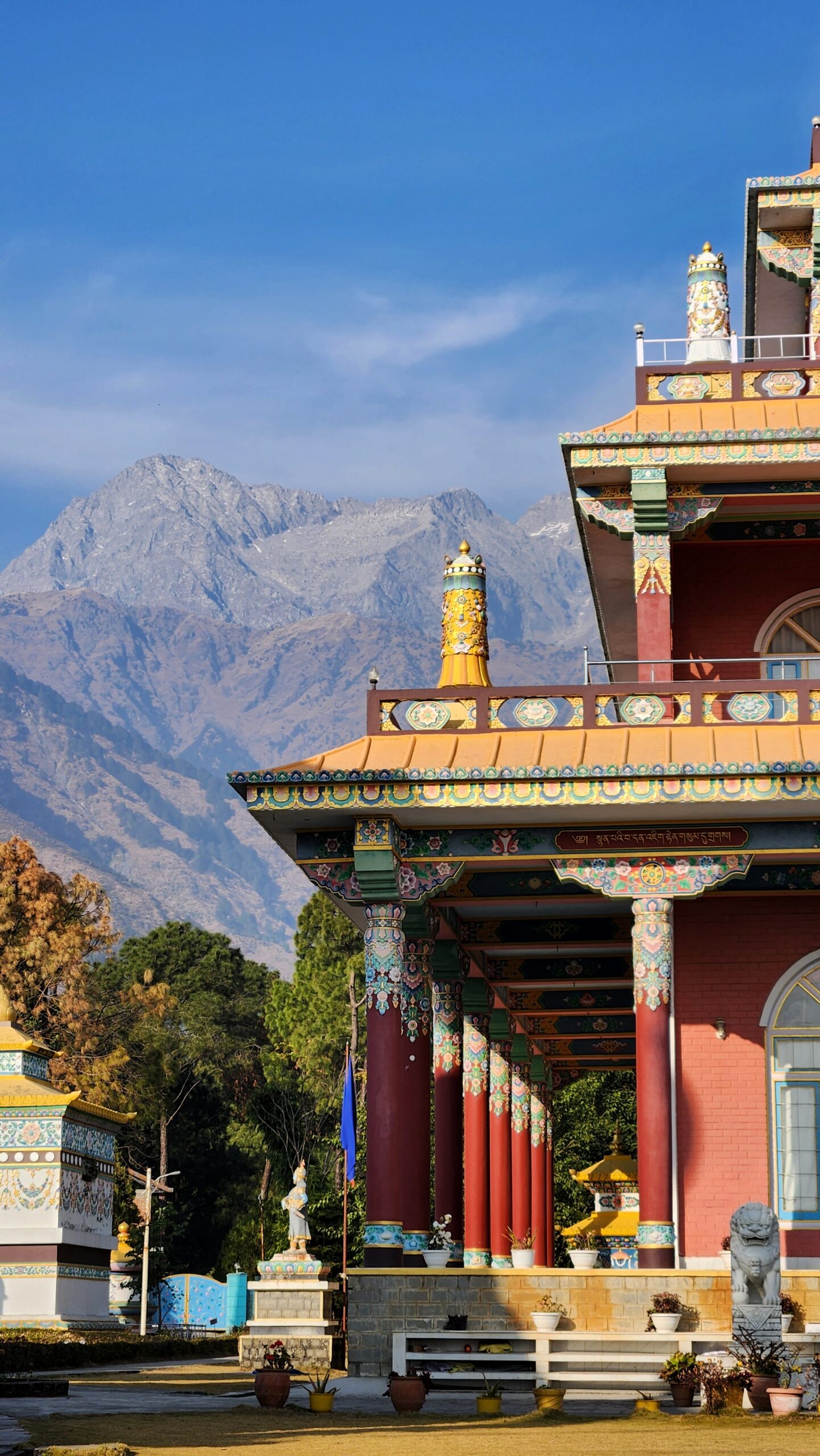
Located in the village of Jia near Palampur, Dorzong Monastery feels distinctly removed from the better-known and crowded monastic centres of McLeod Ganj. Surrounded by open countryside of Palampur and the gentle slopes of the Kangra Valley, it carries a quieter, more inward-facing rhythm.
Affiliated with the Kagyu lineage of Tibetan Buddhism, Dorzong Monastery functions primarily as a place of retreat and sustained practice. Unlike monasteries that also serve educational or administrative roles, Dorzong remains focused on meditation, discipline, and continuity of lineage.
There is very little here that announces itself. No structured visitor flow, no explanatory panels, and minimal movement. What remains instead is a sense of stillness; shaped as much by the surrounding landscape as by the monastic life within it.
Typical visiting hours: 9:00 AM – 6:00 PM
Suggested time: 20–30 minutes
Best for: Visitors seeking retreat culture and rural stillness
Entry fee: Free (donations welcome)
Location: Jia village, near Palampur (approx. 35–40 km from Dharamshala)
May be closed or restricted during:
- Extended retreat periods
- Meditation sessions
- Private monastic schedules
Visitor note:
Dorzong Monastery does not function as a tourist site. Visits should be brief, quiet, and observant. Photography may be restricted it is best to ask for permission before taking pictures.
How Dorzong Monastery Fits Into a Dharamshala Visit
Dorzong Monastery is best suited for travelers who:
- Have time beyond a standard McLeod Ganj itinerary
- Are interested in retreat culture and meditation-based practice
- Prefer rural, non-touristy settings
Because of its distance, Dorzong works well as part of a Kangra Valley day, paired with Palampur, tea gardens, or slow countryside walks rather than a rushed sightseeing schedule.
It fits best after you’ve covered the core places to visit in Dharamshala, offering a quieter contrast to the busier monastery and market circuits closer to McLeod Ganj.
Getting to Dorzong Monastery
- Taxi: The most convenient option from Dharamshala or Palampur
- Public transport: Limited; usually requires a bus to Palampur followed by a considerable walk
- Best time to visit: Late morning to early afternoon
Why Dorzong Monastery Matters
Within the wider monastic landscape of Dharamshala and the Kangra Valley, Dorzong Monastery stands quietly apart. It isn’t meant to be seen or explained. It exists to continue what has always been done.
Its presence reminds us that Tibetan monastic life doesn’t only live in well-known centres or busy spaces. Some of its deepest traditions carry on at the margins; in places where silence is natural, routines are steady, and purpose doesn’t need to be spoken aloud.
Sherabling Monastery
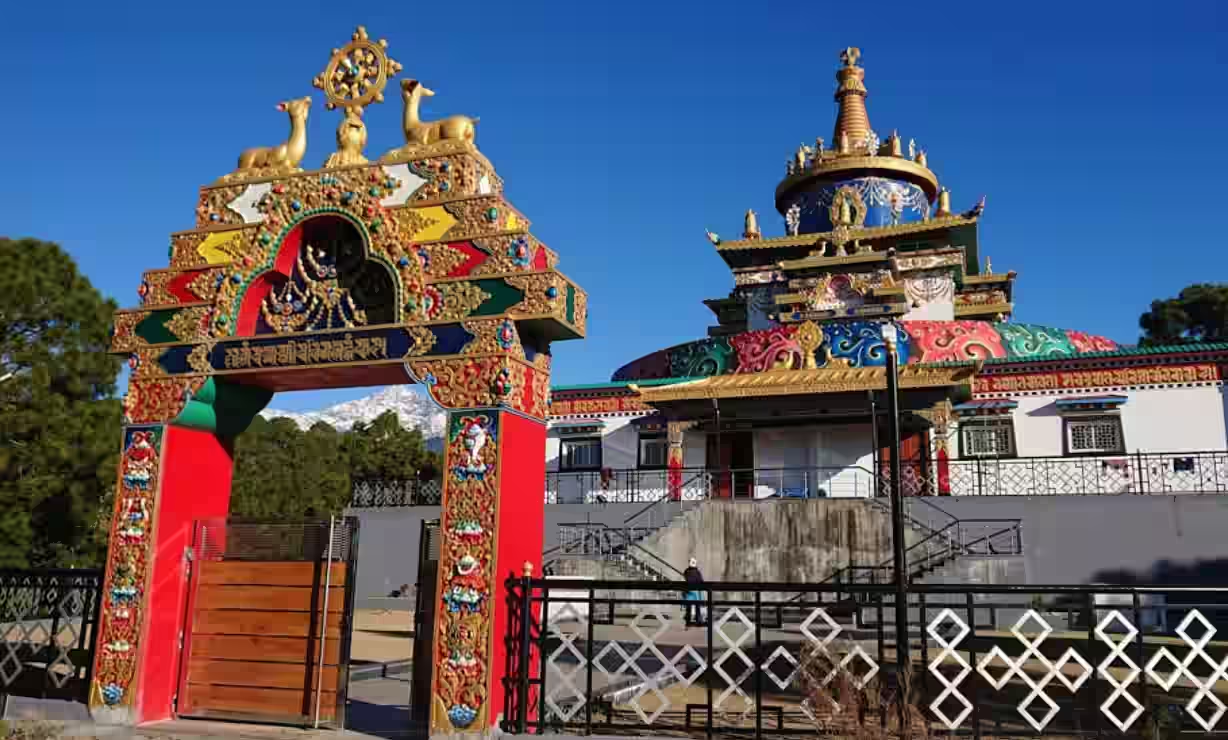
Located in Baijnath, near the town of Bir, in the Kangra Valley, Sherabling Monastery is one of the most significant monasteries of the Kagyu lineage in North India. Founded under the guidance of Tai Situ Rinpoche, it functions as a principal seat for monastic education, retreat practice, and lineage continuity.
Unlike the monasteries of McLeod Ganj, Sherabling does not allow for causal visitors. It is a larger monastery, focused more on long-term study and discipline. Monks here follow structured cycles of learning, debate, and retreat, often spanning many years.
The setting comprises of open land, distant hills, and an absence of commercial activity which reinforces the monastery’s contemplative character.
Typical visiting hours: 9:00 AM – 5:00 PM
Suggested time: 30–45 minutes (external observation only)
Best for: Understanding large monastic institutions; not designed for casual tourism
Location: Baijnath, Near Bir, Kangra Valley (approx. 60 km from Dharamshala)
📍 [View exact location on Google Maps]
Entry fee: Free (donations welcome)
May be closed or restricted during:
- Retreat periods
- Teaching sessions
- Internal monastic activities
Visitor note:
Sherabling is an active monastic seat. Visitors are welcome to observe quietly but should not expect guided access or open prayer halls at all times.
Chokling Monastery
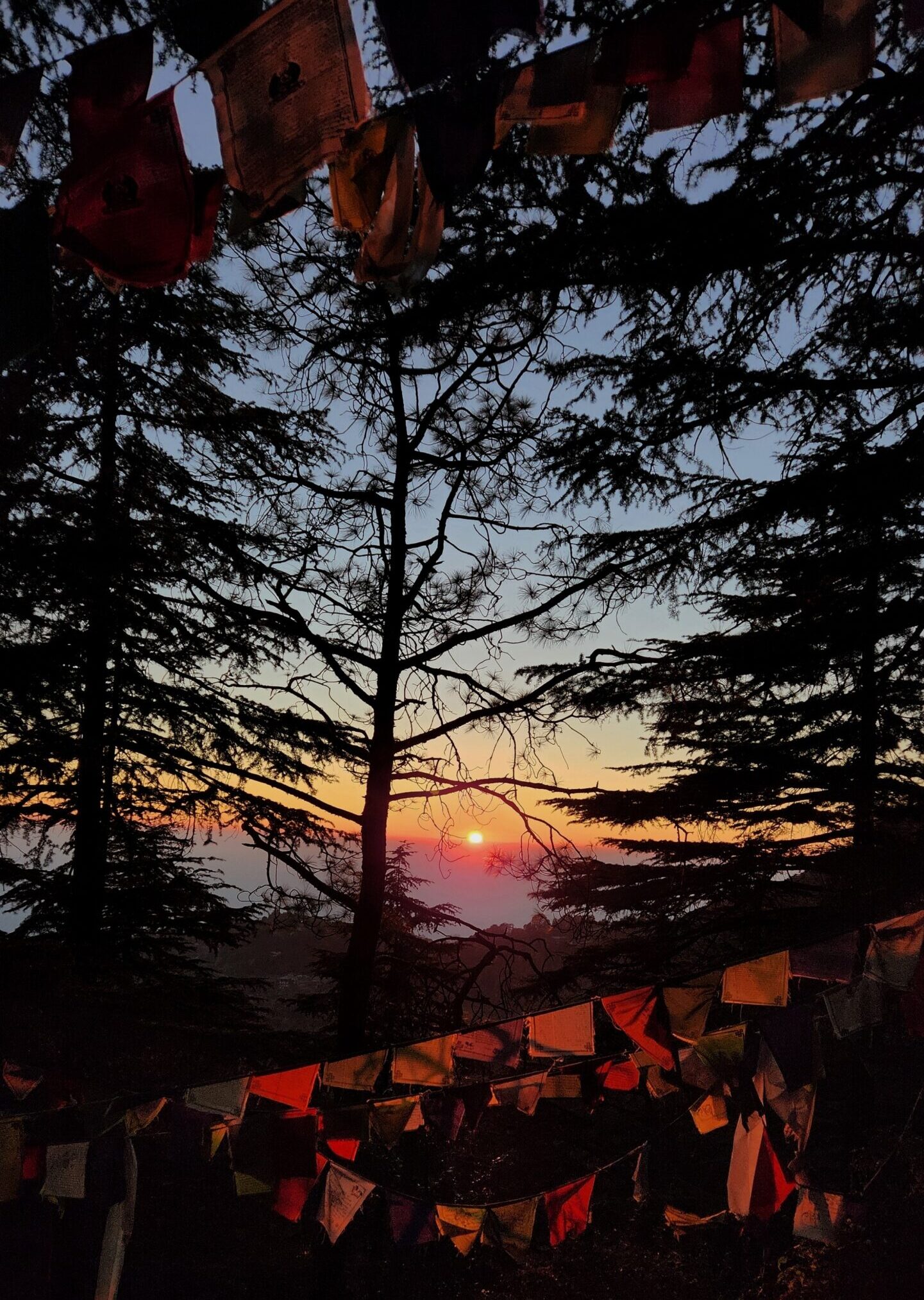
Bir is widely known for paragliding, but beneath that reputation lies a quieter spiritual landscape. Chokling Monastery, associated with the Nyingma lineage, reflects this another rhythm of the town. It is shaped by daily rituals, teachings passed down over generations, and a focus on continuity rather than being seen.
Compared to Kagyu monasteries, Nyingma monasteries often place greater emphasis on ritual practice and the preservation of ancient teachings. Chokling Monastery is modest in scale, rarely crowded, and deeply rooted in daily practice rather than public engagement.
Its presence offers a counterbalance to Bir’s adventure-oriented image.
Typical visiting hours: 6:00 AM – 6:00 PM
Suggested time: 20–30 minutes
Best for: Quiet observation, travellers seeking less-visited spaces, those interested in Nyingma lineage monasteries
Location: Bir, Kangra Valley
📍 [View exact location on Google Maps]
Notes for planning:
Chokling Monastery is understated and rarely crowded. It doesn’t offer interpretive signage or guided explanations, making it better suited for visitors comfortable with silent observation rather than structured learning.
Entry fee: Free
Visitor note:
Photography may be restricted. Visits are best kept brief and observant, especially during ritual hours.
Monasteries In & Around Dharamshala: Distance From McLeod Ganj
| Monastery | Area | Known for | Approx Distance from McLeod Ganj |
|---|---|---|---|
| Namgyal Monastery | McLeod Ganj | Dalai Lama’s monastery, daily prayers | 0 km (central) |
| Tsechokling | McLeod Ganj | Monastic education & study | 0.5 km |
| Nechung | Upmuhal, Mcleod Ganj | State Oracle monastery | 2 km |
| Gyuto | Sidhbari | Tantric chanting traditions | 16 km |
| Norbulingka | Sidhpur | Tibetan arts & cultural institute | 15.4 km |
| Dorzong | Jia, Palampur | Retreat-based monastic life | 31 km |
| Sherabling | Near Bir | Major Kagyu monastic seat | 67 km |
| Chokling | Bir | Nyingma study & retreat | 71 km |
McLeod Ganj functions as the cultural centre of Tibetan life in Dharamshala; monasteries further away tend to be quieter, more study-focused, and less visitor-oriented.
What to Expect Inside a Dharamshala Monastery
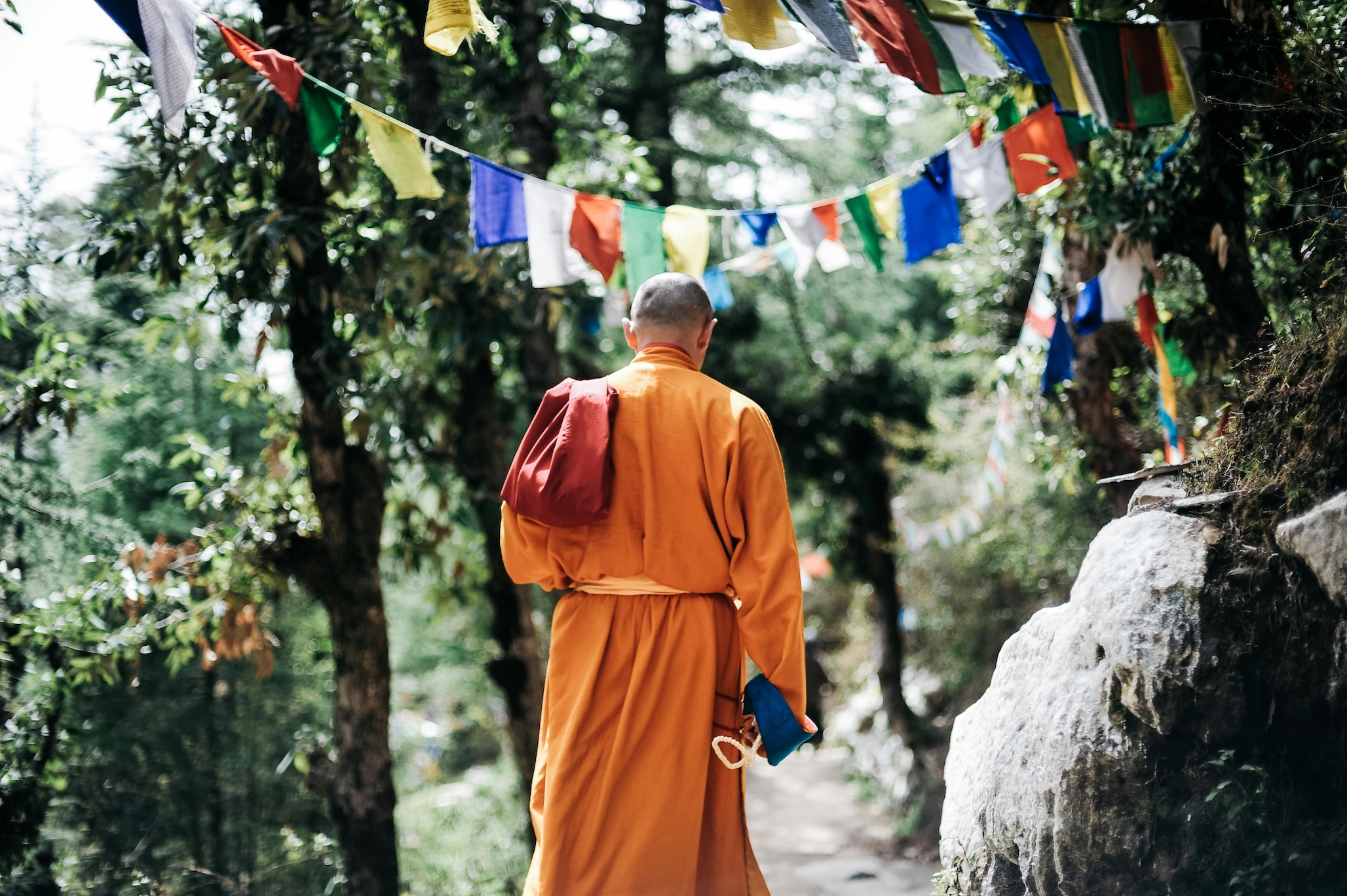
Visiting monasteries in Dharamshala is less about sightseeing and more about quiet observation. A monastery visit is not guided by signboards or itineraries. Instead, it unfolds quietly.
You may encounter monks debating philosophy through gesture and argument, elder monks absorbed in scripture, butter lamps flickering before images of Buddhas and Bodhisattvas, and visitors sitting silently rather than moving constantly.
Time inside monasteries is not scheduled; it is absorbed.
Etiquette & Cultural Sensitivity
- Dress modestly, covering shoulders and knees
- Keep phones silent and out of sight
- Ask before taking photographs; especially indoors
- If a ritual is underway, stand quietly near the entrance or leave without crossing the prayer area
- Walk slowly; sudden movement draws attention
- Avoid conversations inside prayer halls
When unsure, follow the behaviour of monks or long-time visitors.
Practical Things Visitors Often Miss
- Shoes usually need to be removed before entering prayer halls
- Seating is often on the floor; cushions may or may not be available
- Standing silently at the back is always acceptable
- There are rarely signs explaining rituals; observation is the guide
- It is normal to leave quietly if you feel unsure or uncomfortable
These are working spaces. Stillness is always preferred over curiosity.
Best Time to Visit Dharamshala Monasteries
- Summer (March–June): Pleasant weather, active monastic life
- Monsoon (July–September): Misty, frequent rains, fewer visitors, introspective mood
- Winter (October–February): Cold, sparse crowds, deep quiet (Interlink with dharamshala weather blog)
The experience can vary a lot with the season, this Dharamshala weather guide (including monsoon conditions) will help you plan your visit better.
Getting Around Monasteries in Dharamshala
- Best option for solo travellers: Shared local taxis or short walks in McLeod Ganj
- Best for families or groups: Full-day taxi hire
- Walking: Ideal for monasteries within McLeod Ganj
- Expectation setting: Distances may look short on maps, but hill roads are slow
Visitors staying in McLeod Ganj will find walking easiest when exploring nearby monasteries in Dharamshala, while those based in lower Dharamshala or Sidhpur may rely more on taxis — something we break down further in our guide to where to stay in Dharamshala.
If you’re still planning your journey, this guide on how to reach Dharamshala from different cities will help you understand travel options and what to expect on arrival.
Note: Public buses are limited for monastery hopping. Most visitors rely on local drivers recommended by hotels or guesthouses.
Note: Uber and Ola do not operate reliably here. Most visitors depend on local taxi unions, hotel-arranged cabs, or drivers recommended by their stay.
Monasteries at a Glance
The map below shows how monasteries are spread across Dharamshala and the surrounding regions; from walkable stops in McLeod Ganj to quieter day trips toward Palampur and Bir.
Frequently Asked Questions
What are the timings of monasteries in Dharamshala?
Most monasteries in Dharamshala are open from 6:00 AM to 6:00 PM, though timings vary by monastery. Namgyal Monastery and the Dalai Lama Temple are generally open from sunrise to sunset. Gyuto Monastery follows a similar schedule. Smaller monasteries like Nechung and Tsechokling may close during afternoon prayer hours (typically 12:00–2:00 PM). It is best to visit in the morning between 8:00 and 11:00 AM when prayers are happening and the atmosphere is most alive.
Is there an entry fee for monasteries in Dharamshala?
No. All monasteries in Dharamshala and McLeod Ganj are free to visit, including Namgyal Monastery and the Dalai Lama Temple. There is no ticket counter or booking required. Some monasteries have a donation box near the entrance if you wish to contribute, but it is completely optional. Norbulingka Institute charges a small entry fee for the museum section, but the monastery and temple areas within the campus are free.
Can you stay in a monastery in Dharamshala?
Not in the traditional sense. Monasteries in Dharamshala do not offer rooms for tourists the way guesthouses do. However, some centres closely associated with monasteries offer residential programs and several other homestays offer a peaceful experience too. Tushita Meditation Centre in Dharamkot runs multi-day silent retreats that include accommodation. The Library of Tibetan Works and Archives offers courses where accommodation can be arranged nearby. If you are looking for a monastery-like stay experience, these programs are your best option but they require advance registration and a genuine interest in the practice.
How to meet the Dalai Lama in Dharamshala?
Public audiences with the Dalai Lama are not available on a walk-in basis. When His Holiness is in Dharamshala and giving public teachings, you can attend by registering in advance through the official website (dalailama.com). Teachings are usually held at the Tsuglagkhang Complex and are announced weeks or months ahead. During these events, there is sometimes a brief public audience for foreign visitors, registration for this is handled by the Branch Security Office near the temple. Outside of scheduled teachings, it is not possible to arrange a personal meeting.
Is photography allowed inside monasteries in Dharamshala?
It depends on the monastery. At Namgyal Monastery, photography is generally allowed in the courtyard and outer areas, but not during prayer sessions or inside the main prayer hall when monks are chanting. The Dalai Lama Temple allows photography in the courtyard but restricts it near the main shrine. Gyuto Monastery and Norbulingka are more relaxed about photography in open areas. As a general rule, always look for signs, ask a monk if unsure, and never use flash. Silence your phone before entering any prayer space.
What should I wear when visiting a monastery in Dharamshala?
Dress modestly. Cover your shoulders and knees. Avoid sleeveless tops, shorts, and anything too revealing. This applies to both men and women. You do not need any special religious clothing, simple, respectful everyday clothes are fine. Some monasteries may ask you to remove your shoes before entering the main prayer hall, so wear shoes that are easy to slip on and off. Hats and sunglasses should be removed once inside.
Which is the most famous monastery in Dharamshala?
Namgyal Monastery is the most famous. It is the personal monastery of the Dalai Lama and the largest Tibetan monastery outside Tibet. It is located within the Tsuglagkhang Complex in McLeod Ganj, alongside the Dalai Lama Temple and the Tibet Museum. Most visitors to Dharamshala visit Namgyal first. Gyuto Monastery, about 8 kilometres from McLeod Ganj, is the second most well-known, it served as a temporary residence of the Dalai Lama and is known for its striking architecture and peaceful setting.
Can visitors attend prayers or teachings at the monasteries?
Yes. Most monasteries in Dharamshala welcome visitors during regular prayer sessions. At Namgyal Monastery, morning prayers typically begin around 6:00 AM and you can sit quietly at the back and observe. When the Dalai Lama gives public teachings (usually a few times a year), anyone can attend by registering through dalailama.com. Gyuto Monastery also holds daily prayers that visitors may observe. The key is to enter quietly, sit at the back, and not disrupt the practice. You are there as a guest, not a participant, unless invited otherwise.
What is the best time to visit monasteries in Dharamshala?
Morning is the best time, between 7:00 and 11:00 AM. This is when prayer sessions are underway, monks are active, and the monasteries feel most alive. By afternoon, most monasteries become quieter and some close for a break. Seasonally, March to June and September to November are the best months. Avoid visiting during monsoon if you plan to visit monasteries outside McLeod Ganj (like Gyuto or Sherabling) since road conditions can be unpredictable. Winter is cold but beautifully quiet, you will often have the prayer halls almost to yourself.
Can I meditate at a monastery in Dharamshala?
Not at the monasteries themselves, they are working religious institutions, not meditation retreat centres. However, Dharamshala has several places specifically designed for visitor meditation. Tushita Meditation Centre in Dharamkot offers structured silent retreats and introductory Buddhism courses. The Library of Tibetan Works and Archives runs philosophy and meditation classes. Some yoga studios in Dharamkot and Bhagsu also offer guided meditation sessions. If you want a meditative experience at a monastery, simply sit quietly inside the prayer hall during morning prayers, the chanting and atmosphere are deeply calming on their own.
How do I reach the monasteries from McLeod Ganj?
Once you have reached Dharamshala, Namgyal Monastery and the Dalai Lama Temple are right in McLeod Ganj, a 5-minute walk from the main square. Tsechokling and Nechung monasteries are also walkable from the centre. For monasteries outside McLeod Ganj: Gyuto is about 8 km (20 minutes by taxi), Norbulingka is about 10 km (25 minutes), Sherabling is about 40 km (over an hour). For the closer ones, walk. For anything beyond McLeod Ganj, hire a taxi for a half-day trip. Shared taxis are not practical for monastery visits outside town.
Are there any Tibetan festivals I can witness at the monasteries?
Yes. The most significant is Losar (Tibetan New Year), usually in February or March, celebrated with prayers, dances, and community gatherings at Namgyal Monastery. Saga Dawa (May or June) marks the birth, enlightenment, and passing of the Buddha, monasteries hold special prayers and processions. The Dalai Lama’s birthday (July 6) is celebrated publicly at the Tsuglagkhang Complex. The Dharamshala International Film Festival (DIFF), while not a religious event, takes place in and around monastery spaces each November. Check the Tibetan calendar before your trip to align your visit with a festival.
Can families with children visit the monasteries?
Yes, absolutely. Monasteries in Dharamshala welcome visitors of all ages. Children are allowed inside, though you will need to keep them quiet during prayer sessions. Namgyal Monastery and Norbulingka Institute are the most family-friendly stays like Norbulingka has open gardens, a cafe, and craft workshops that keep children engaged. Gyuto Monastery has spacious grounds where kids can walk around safely. The main thing to manage is noise if a child becomes restless during prayers, step outside quietly and return when they are settled.
What is the Tsuglagkhang Complex?
The Tsuglagkhang Complex is the main religious and cultural centre of the Tibetan exile community in Dharamshala. It is located in McLeod Ganj and includes three key sites in one compound: the Dalai Lama Temple (the main prayer hall), Namgyal Monastery (the Dalai Lama’s personal monastery), and the Tibet Museum (documenting the Tibetan exile story). Most visitors refer to the whole complex as either “the Dalai Lama Temple” or “Namgyal Monastery,” but technically it houses both. A single visit here can take 1 to 3 hours depending on how long you spend at each section.
Do monasteries in Dharamshala close during monsoon?
No. Monasteries remain open throughout the monsoon season. Namgyal Monastery, the Dalai Lama Temple, and other McLeod Ganj monasteries operate on their regular schedule year-round. The only challenge during monsoon is reaching monasteries outside McLeod Ganj, the roads to Gyuto, Sherabling, or Norbulingka can be affected by heavy rain or minor landslides. If you are visiting during July or August, stick to the monasteries within walking distance of McLeod Ganj and save the day trips for a clearer day.
Final Thoughts
The monasteries of Dharamshala do not demand belief.
They offer something quieter which is discipline, continuity, and space.
For broader travel planning beyond monasteries such as information on seasonal advisories, road conditions, and regional updates you can always refer to the official Himachal Pradesh Tourism website.
You do not leave these places with souvenirs.
You leave with a changed sense of time.
And often, that is enough.
Pingback: Dharamshala Itinerary: Ultimate Guide for 2, 3, 5 & 7 Days
Pingback: Dharamshala Itinerary: How Many Days You Need + 2, 3, 5 & 7 Day Trip Plans - manoratham.com
Pingback: Best Treks in Dharamshala: A Local Guide from Easy Walks to Himalayan Passes - manoratham.com
Pingback: Dharamshala Weather Guide: Monsoon Season, Rainfall, Safety & Travel Tips - manoratham.com