
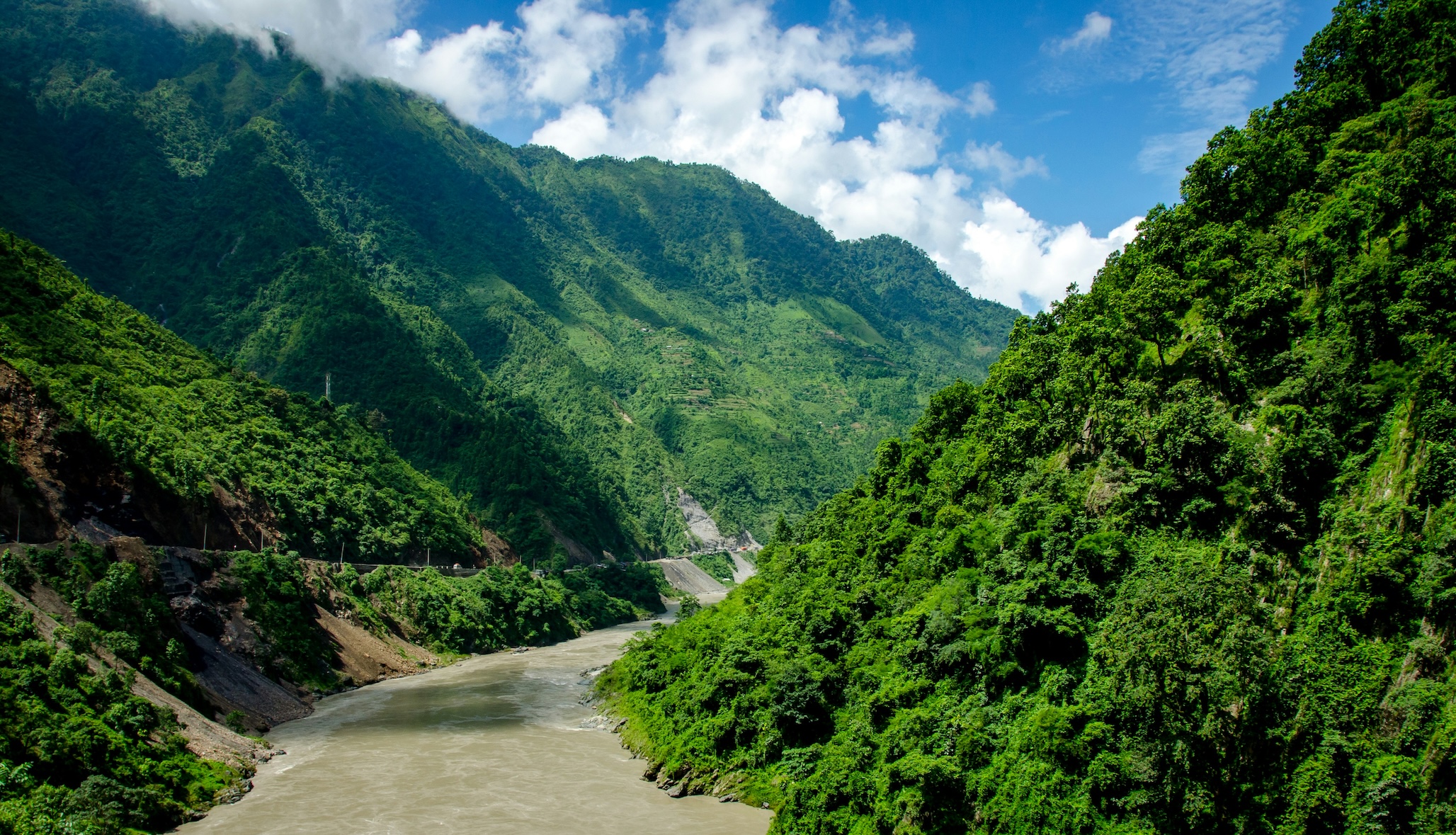
Travellers searching for weather Dharamshala during the monsoon season often hesitate when they see the rain-heavy months on the calendar. News about clouds, landslides, and road disruptions can quickly shape assumptions.
Having grown up in Dharamshala, I see monsoon differently. Here, it is not a season of constant rain, but one shaped by timing, terrain, and flexibility. Conditions change week by week, sometimes day by day, quietly reshaping how the town moves and slows down.
This guide is written to help you decide clearly: whether monsoon travel to Dharamshala is right for you, which months work best, and how to plan so the weather supports your trip rather than controls it. People often hesitate when they see the rain-heavy months on the calendar. News about clouds, landslides, and road disruptions can quickly shape assumptions.
Having grown up in Dharamshala, I see monsoon differently. Here, it is not a season of constant rain, but one shaped by timing, terrain, and flexibility. Conditions change week by week, sometimes day by day, quietly reshaping how the town moves and slows down. During monsoon, spending time in cozy cafes in Dharamshala is one of the best ways to enjoy the weather.
This guide is written to help you decide clearly: whether monsoon travel to Dharamshala is right for you, which months work best, and how to plan so the weather supports your trip rather than controls it.
often hesitate when they see the rain-heavy months on the calendar. News about clouds, landslides, and road disruptions can quickly shape assumptions.
Having grown up in Dharamshala, I see monsoon differently. Here, it is not a season of constant rain, but one shaped by timing, terrain, and flexibility. Conditions change week by week, sometimes day by day, quietly reshaping how the town moves and slows down.
This guide is written to help you decide clearly: whether monsoon travel to Dharamshala is right for you, which months work best, and how to plan so the weather supports your trip rather than controls it.
Table of Contents
Table of Contents
What Dharamshala Weather Feels Like During Monsoon
Dharamshala monsoon is not about constant rain. Mornings typically start clear or lightly clouded with cold, crisp breeze. Rain usually arrives in bursts during the afternoon. The clouds settle low in the evenings casting a dark hue to the surroundings, with the mountain views appearing briefly, then disappearing again.
But life in this mountain town continues at its own pace. Cafés stay open. Monasteries follow their routines. Locals adjust their timing rather than cancelling plans all together.
The biggest change during monsoon isn’t activity: it’s pace.
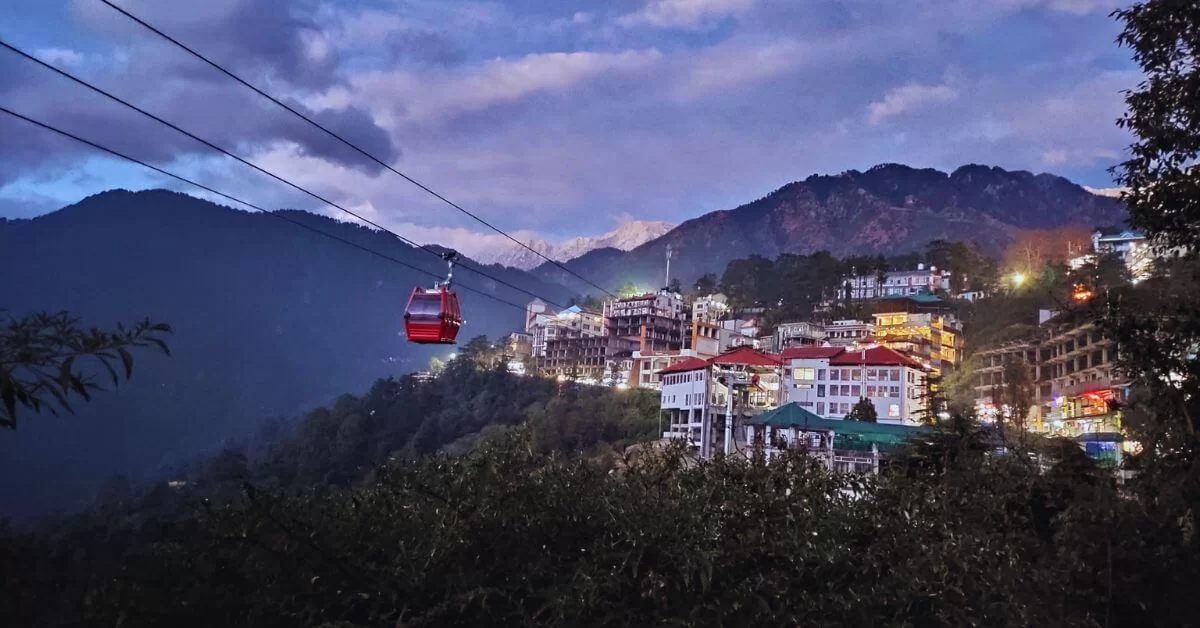
Dharamshala Monsoon Season: Month-by-Month Reality
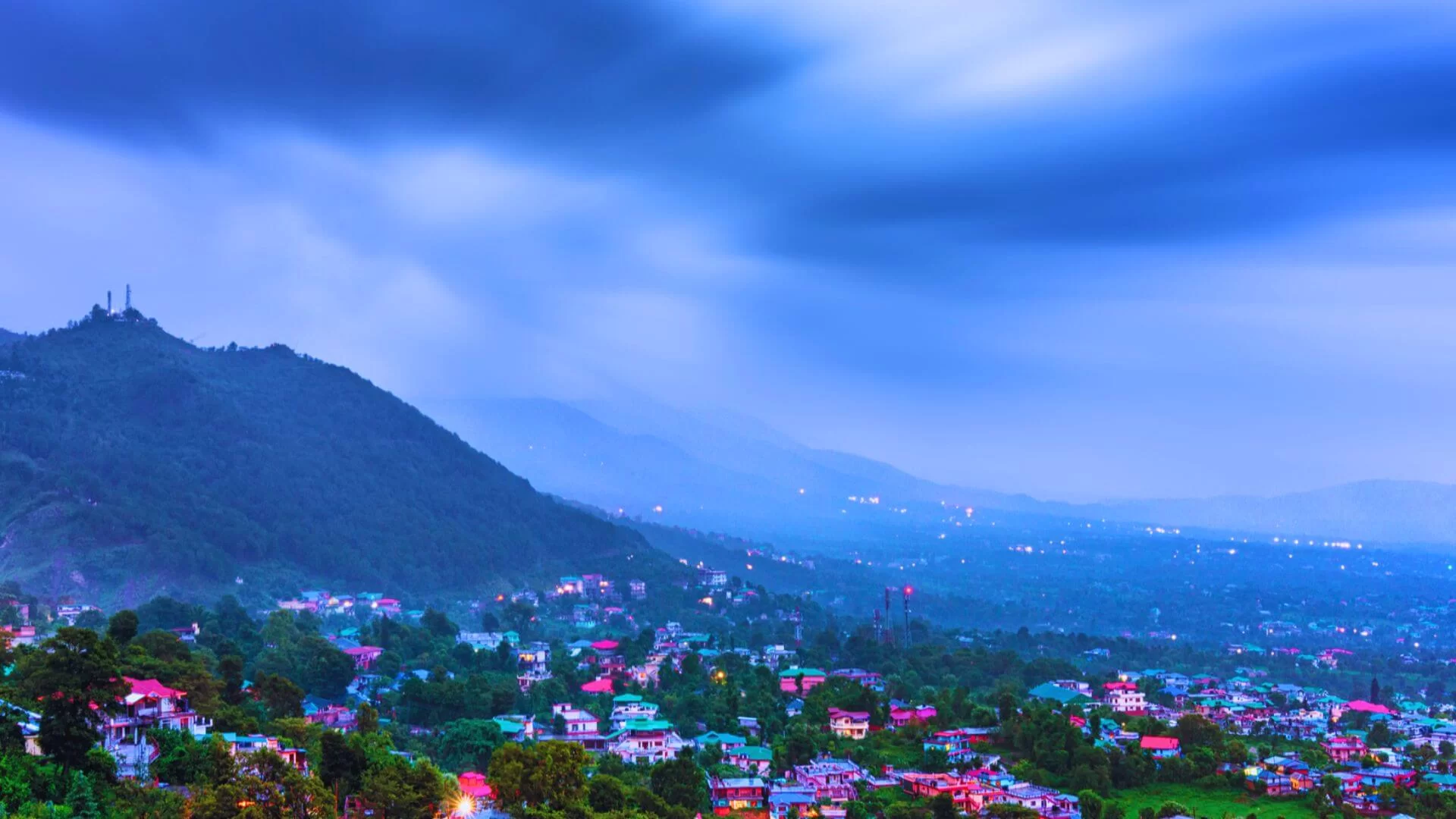
Monsoon in Dharamshala varies by month. Therefore, treating the months of June to September as one block can be misleading. Each phase behaves differently.
Late June to Early July
- This is known as the transition period
- Fresh greenery starts to appear in the landscape, rainfall during this period is very manageable
- Roads are largely stable and well-maintained
- Good balance for first-time monsoon visitors
Mid-July to August (Peak Monsoon)
- This period experiences the heaviest rainfall
- There is a danger of occasional, localised landslides
- The town experiences fewer tourists
- Views limited but atmosphere strong
This period rewards flexibility and frustrates rigid plans.
Early to Mid-September
- Rain starts to taper and becomes infrequent
- Landscapes appear at peak lush green beauty
- Fewer disruptions
- Usually considered the most rewarding monsoon window
What You Can Still Do in Dharamshala Weather During Monsoon
Best monsoon-friendly activities include:
- Visiting Tibetan Buddhist monasteries in and around Dharamshala is especially rewarding during the monsoon, when the surroundings are quieter and more contemplative.
- Take slow walks within McLeod Ganj and nearby lanes (between showers)
- Visit cozy Cafés and enjoy slow reading days (monsoon is made for this)
- Visit local museums and cultural spaces
- Visiting the cricket stadium on non-match days and enjoy the mesmerising views of the Dhauladhars from the seats
What to keep weather-dependent
- Avoid going for long treks
- waterfall chasing (they may appear beautiful but can be unsafe around slippery paths)
- Bir paragliding plans (build as “bonus,” not the main purpose)
Is Dharamshala Safe During Monsoon?
Landslides & Road Blockages: How Dharamshala Compares to Other Hill Towns
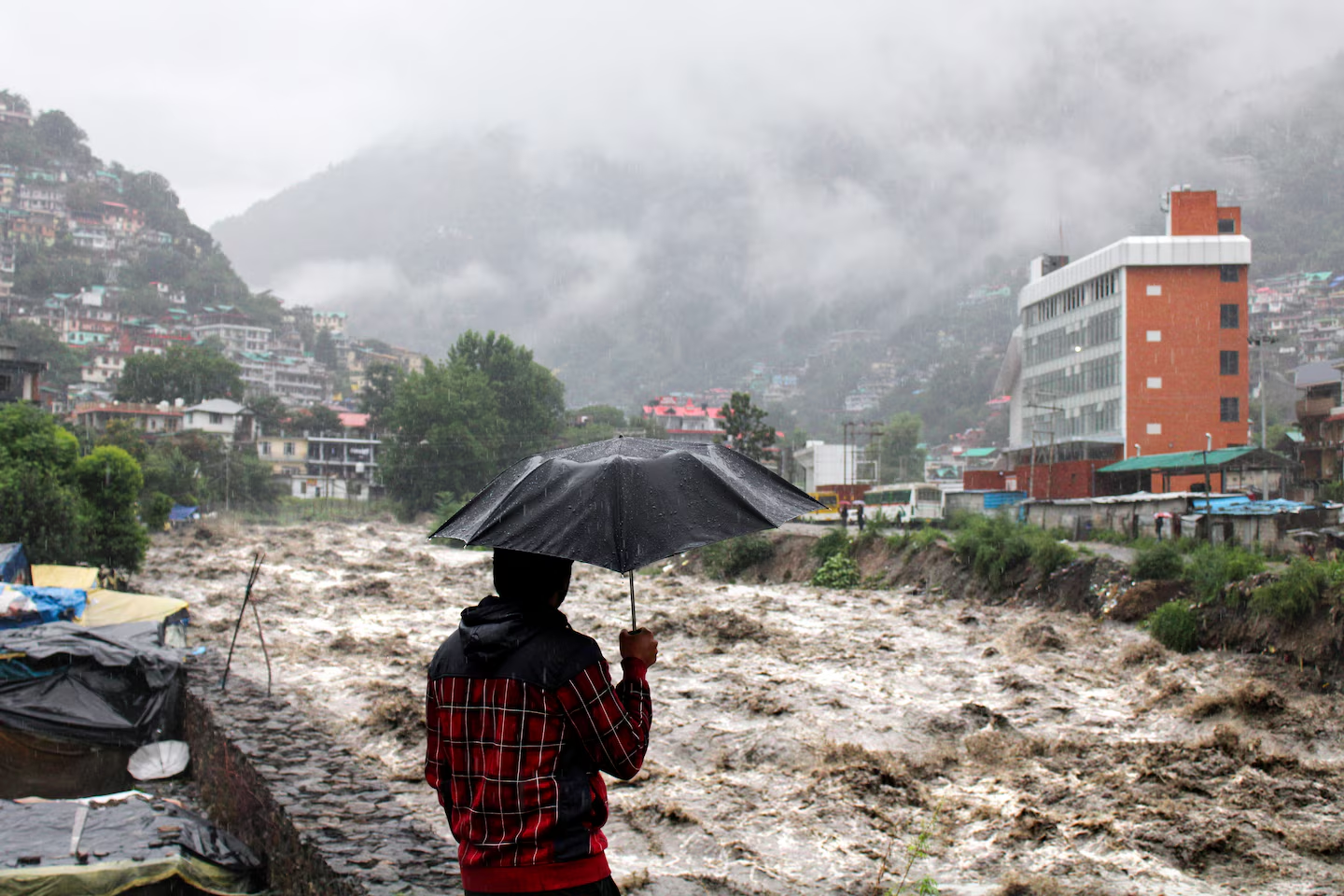
The word monsoon is used synonymously with landslides in Himachal Pradesh. But the reality is different. Dharamshala generally fares better than many popular hill destinations like Kullu, Manali and Shimla. This is due to geography and road layout. Towns like Kullu are located along steep river valleys and are heavily dependent on few major highway stretches. When water rises in the river, leading to floods couples with landslides, movement can come to a complete halt for extended periods of time.
Dharamshala, by contrast, can be accessed by shorter hill-road approaches and sits on a broader ridge system. Which makes it comparatively safer. Disruptions here are more localised and may occur in the form of a blocked stretch, slowed traffic or temporary diversions rather than region-wide shutdowns.
This relative stability is one reason Dharamshala is considered a safer monsoon base compared to more congested hill towns. Still, “safer” does not mean immune. Delays happen, plans shift, and buffer time remains important.
What Road Conditions Usually Look Like During Monsoon
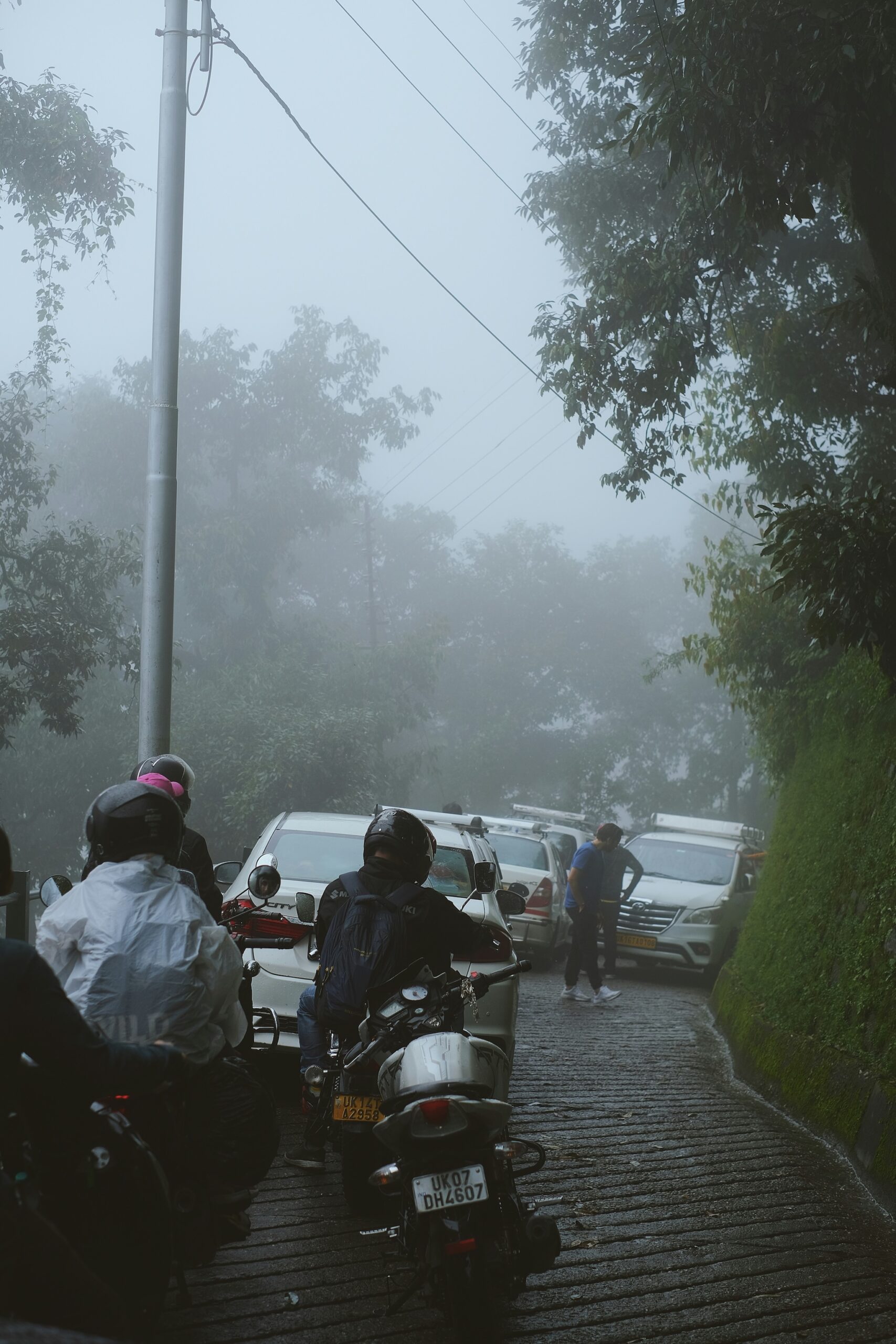
During active monsoon spells, road travel around Dharamshala typically becomes slower rather than impossible. After heavy rain, traffic may move at reduced speed as debris is cleared or as vehicles pass through one-lane sections. Short halts are common, especially on narrow stretches, but complete standstills lasting days are uncommon.
Timing plays a crucial role. Mornings are generally the most reliable window for travel, while late evenings, especially after sustained rain are best avoided.
Locals and drivers tend to wait rather than rush, knowing that conditions often improve within a few hours. If someone familiar with the area suggests delaying travel, it’s usually sound advice rather than over-caution.
Water Bodies During Monsoon: A Quiet but Serious Risk
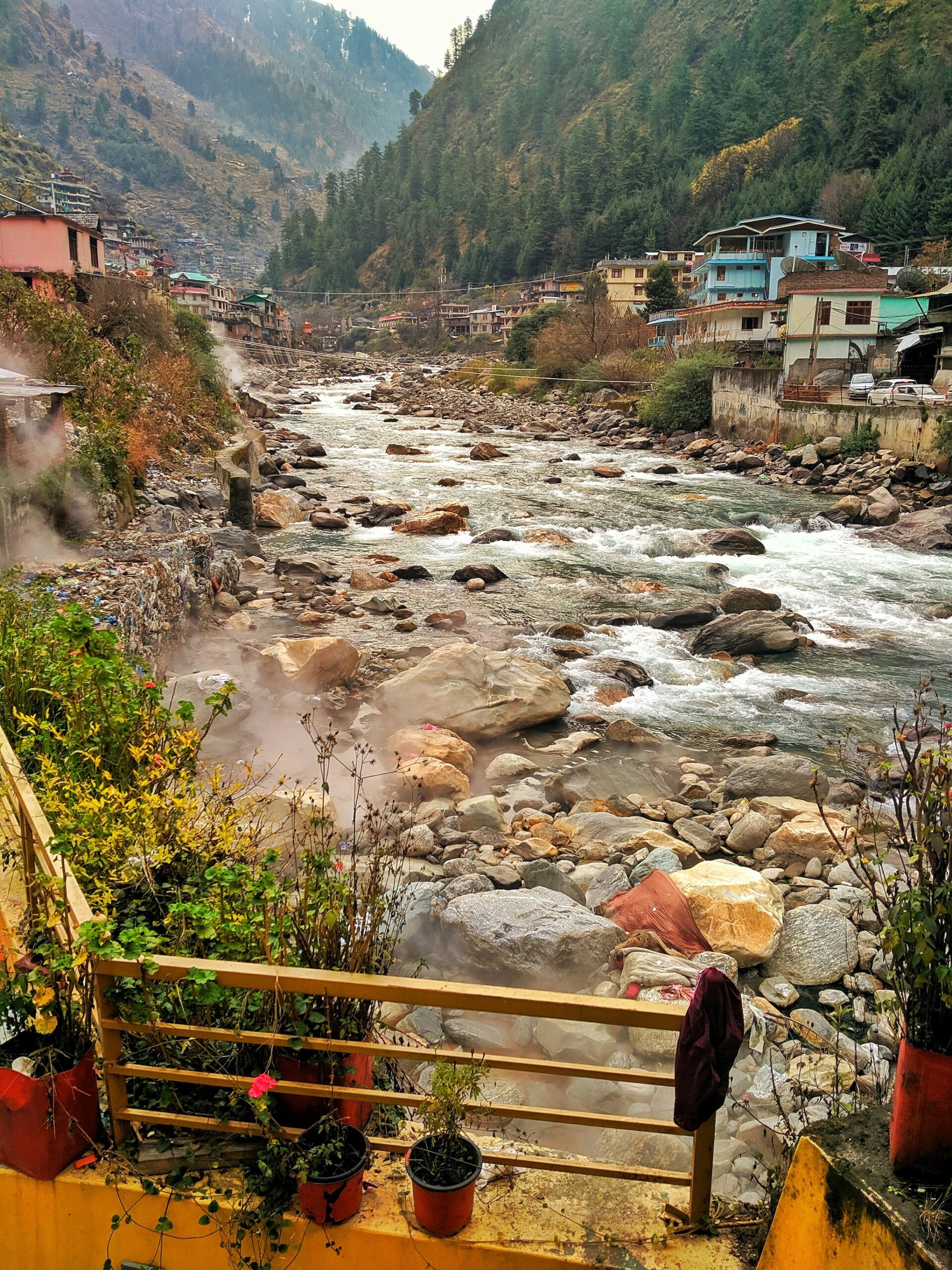
One of the least discussed risks during monsoon travel in Himachal Pradesh is the sudden rise of water levels in rivers, streams, and seasonal channels. Unlike landslides, which are visually obvious, rising water often looks deceptively calm until it becomes dangerous.
During heavy rain, water levels can increase rapidly due to rainfall upstream, even if the immediate surroundings appear stable. Rocks that seem solid can turn slippery, and river edges can collapse without warning.
Many accidents occur not during storms, but during quiet moments when people underestimate how quickly conditions can change.
Local behaviour offers the best guidance here. People instinctively keep distance from riverbanks, avoid crossing streams, and stay away from waterfall bases after rain. Enjoying water views from a distance is always safer than approaching the edge.
A simple local reminder captures it best:
In monsoon, the most dangerous water is often the water that still looks harmless.
How to Check Real-Time Conditions (The Professional Way)
Before you move between areas (Dharamshala – McLeod Ganj – Palampur – Bir), please check:
- IMD weather alerts (for heavy rain warnings)
- Local updates from your stay/taxi driver (best real-time signal)
- Road status updates if you’re doing longer routes (ask your driver; if self-driving, confirm locally)
If you’re arriving during July–August, build your plan so you can switch to an indoor day without losing the trip.
Why Dharamshala Can Still Be Enjoyed During Monsoon
Despite these realities, Dharamshala remains one of the gentler hill destinations during the rainy season. Daily life continues, monasteries remain open and quieter, cafés stay active, and forested slopes absorb rain rather than amplify its impact.
Views during monsoon are not panoramic or predictable, but they are atmospheric. Clouds move quickly here, mist lifts without warning, and brief clearings can be striking precisely because they are fleeting. For travellers who value mood over spectacle, the season still offers moments of beauty.
Getting Around Dharamshala in Monsoon: What Works Best
- Solo travellers: shared local taxis + short walks in McLeod Ganj
- Groups/families: full-day taxi hire (flexible, safer in rain)
- Walking: best for the McLeod Ganj circuit
- Expectation setting: distances look short on maps, but hill roads slow down in rain
Ride-hailing apps aren’t reliable in the region; most travellers rely on local taxi networks coordinated through stays.
Suggested Mini-Itineraries
2-day monsoon plan (first-timers)
Spend the two day exploring McLeod Ganj at an easy pace, visiting nearby monasteries between showers. If you want a clear overview of where each monastery is located and how to reach them, refer to this monasteries map around Dharamshala, or explore our detailed guide to Tibetan Buddhist monasteries in and around Dharamshala to choose what suits your interests and time.
4–5 day plan (slow travellers)
- 2 days McLeod Ganj base
- 1 day lower Dharamshala / Norbulingka
- 1 flex day (rain-day plan: cafés + museums + slow walks)
- 1 optional day trip to view points like khadota (only if weather is stable)
With more time and flexible days, you can explore beyond the usual circuits. Our places to visit in Dharamshala guide helps you plan quieter neighbourhoods, cultural spots, and short excursions—especially useful when adjusting plans around monsoon weather.
Where to See the Best Views of Dharamshala During Monsoon
Monsoon views in Dharamshala are not constant. They arrive in windows; sometimes they last for minutes, sometimes an hour and then dissolve back into cloud. The trick is not chasing viewpoints, but knowing where those windows open most often.
Places That Deliver Beautiful Views in Dharamshala monsoon (When Clouds Lift)
Naddi
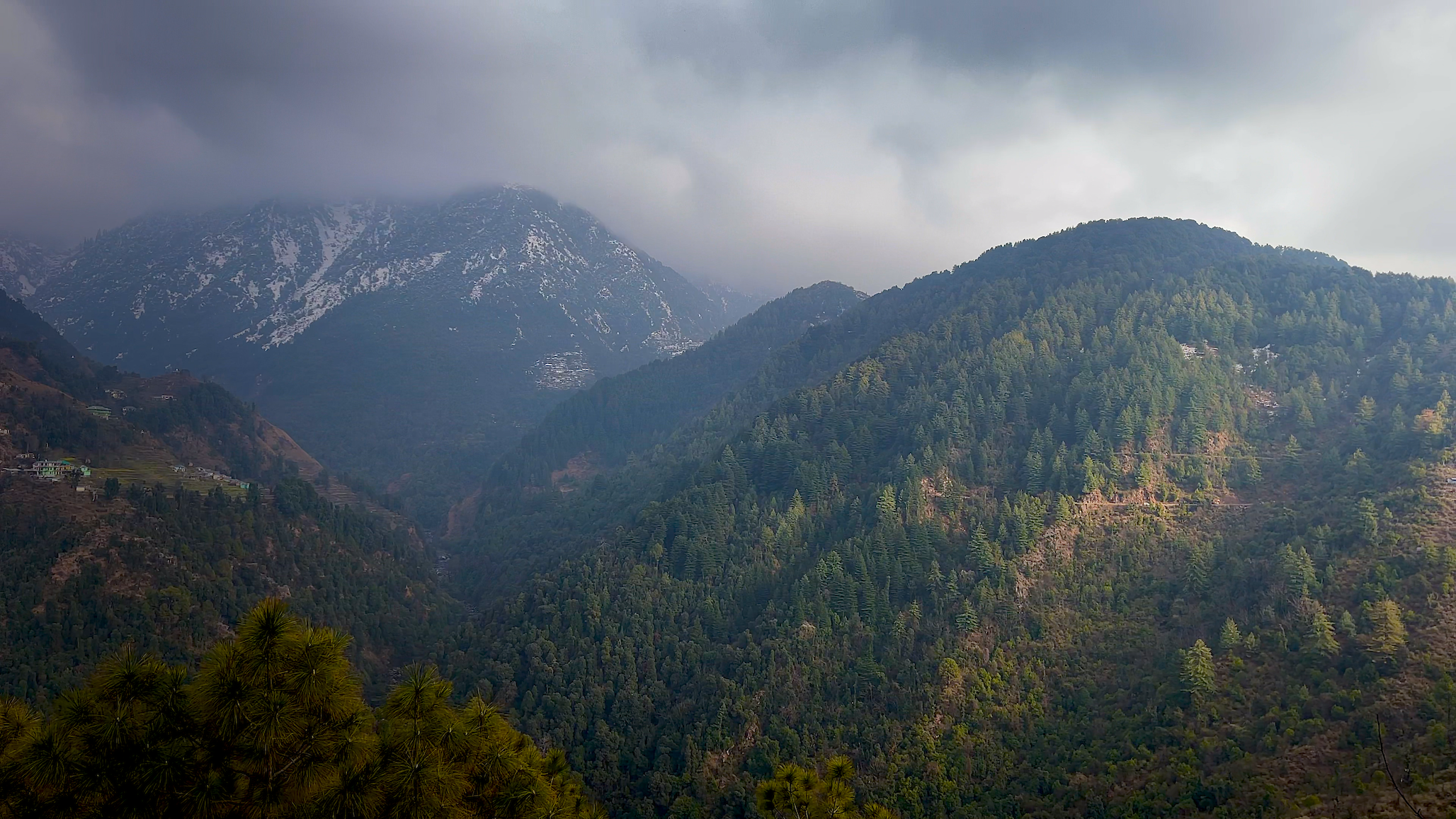
Naddi’s higher elevation works in its favour during monsoon. On many days, clouds settle lower in the valley, leaving the place briefly above the cloud line. After overnight rain, early mornings here can bring dramatic clearings where mountain layers appear suddenly and sharply before disappearing again.
Best time: early morning, especially after steady rain through the night.
Dharamkot
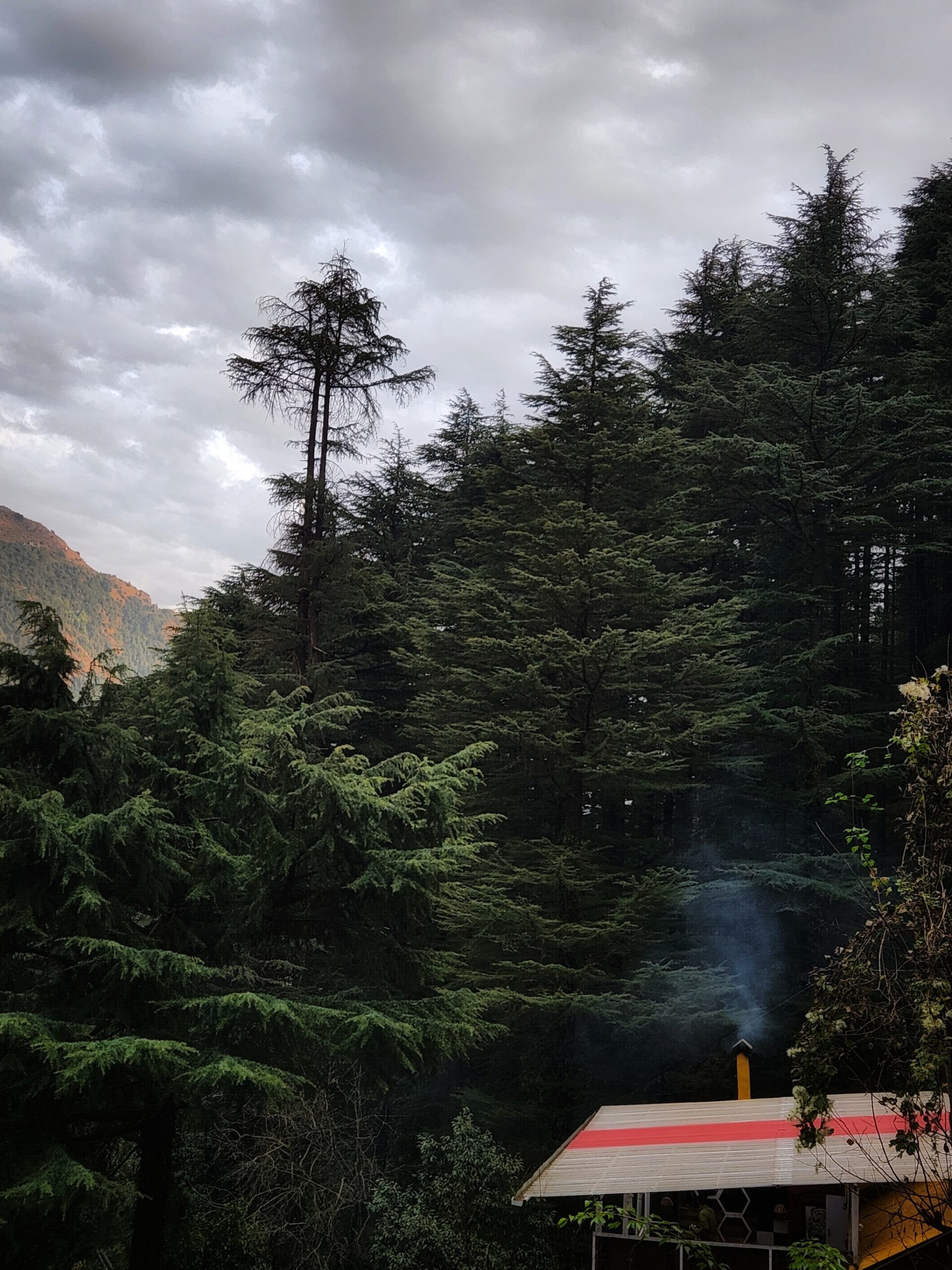
Dharamkot offers a different kind of monsoon view. Forest-lined slopes create layered mist rather than wide panoramas, and rain often enhances the atmosphere instead of blocking it. Short walks between showers reveal shifting light, drifting cloud, and deep greens that feel immersive rather than distant.
This is less about postcard views and more about mood, which is precisely its strength during monsoon.
Bhagsu (Upper Slopes)
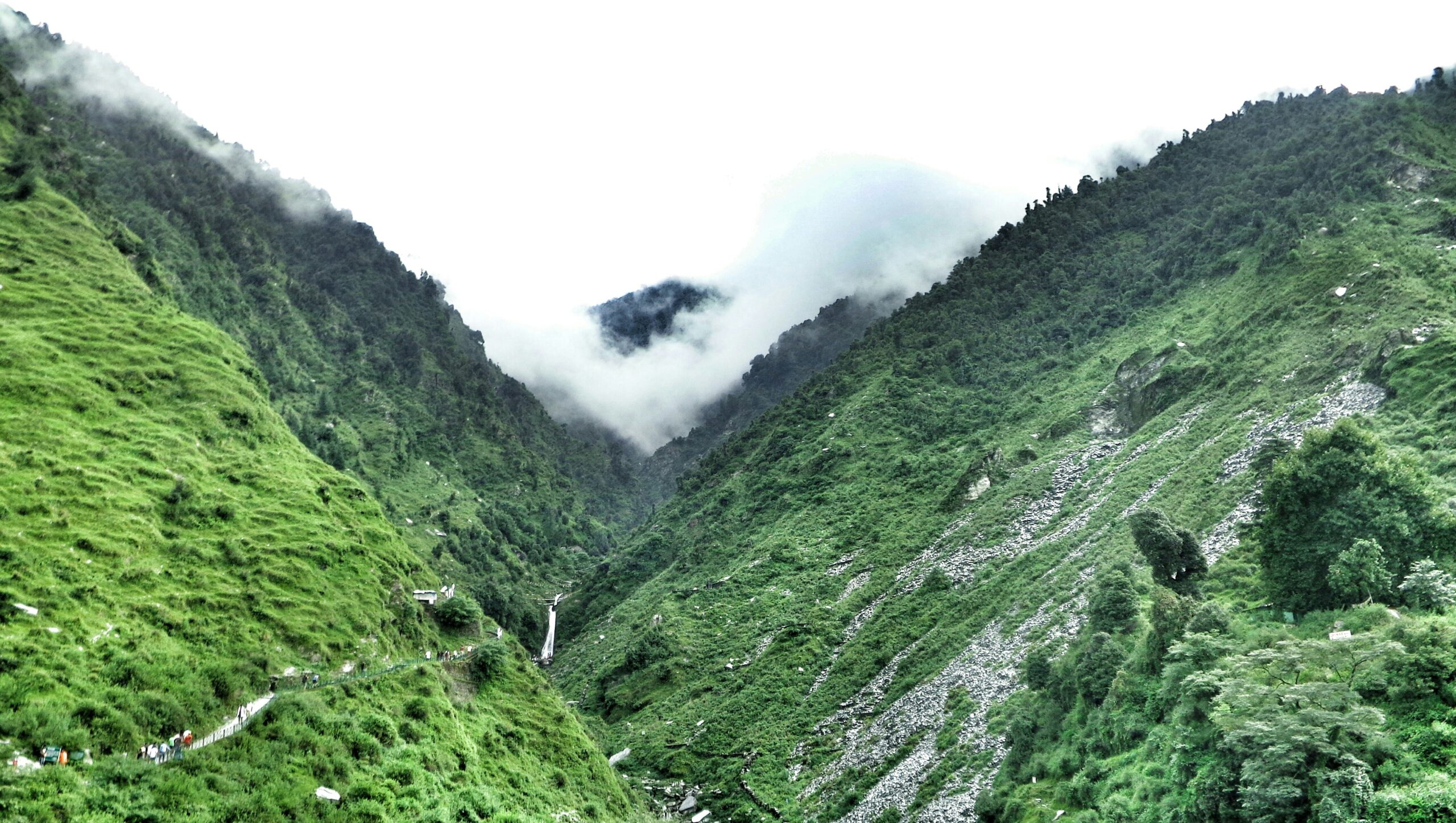
The upper slopes around Bhagsu tend to clear more frequently than lower areas. Waterfalls are active during monsoon, clouds move quickly, and brief visibility breaks are common. That said, paths can become slippery immediately after heavy rain, so timing and caution matter more here than elsewhere.
Khaniyara
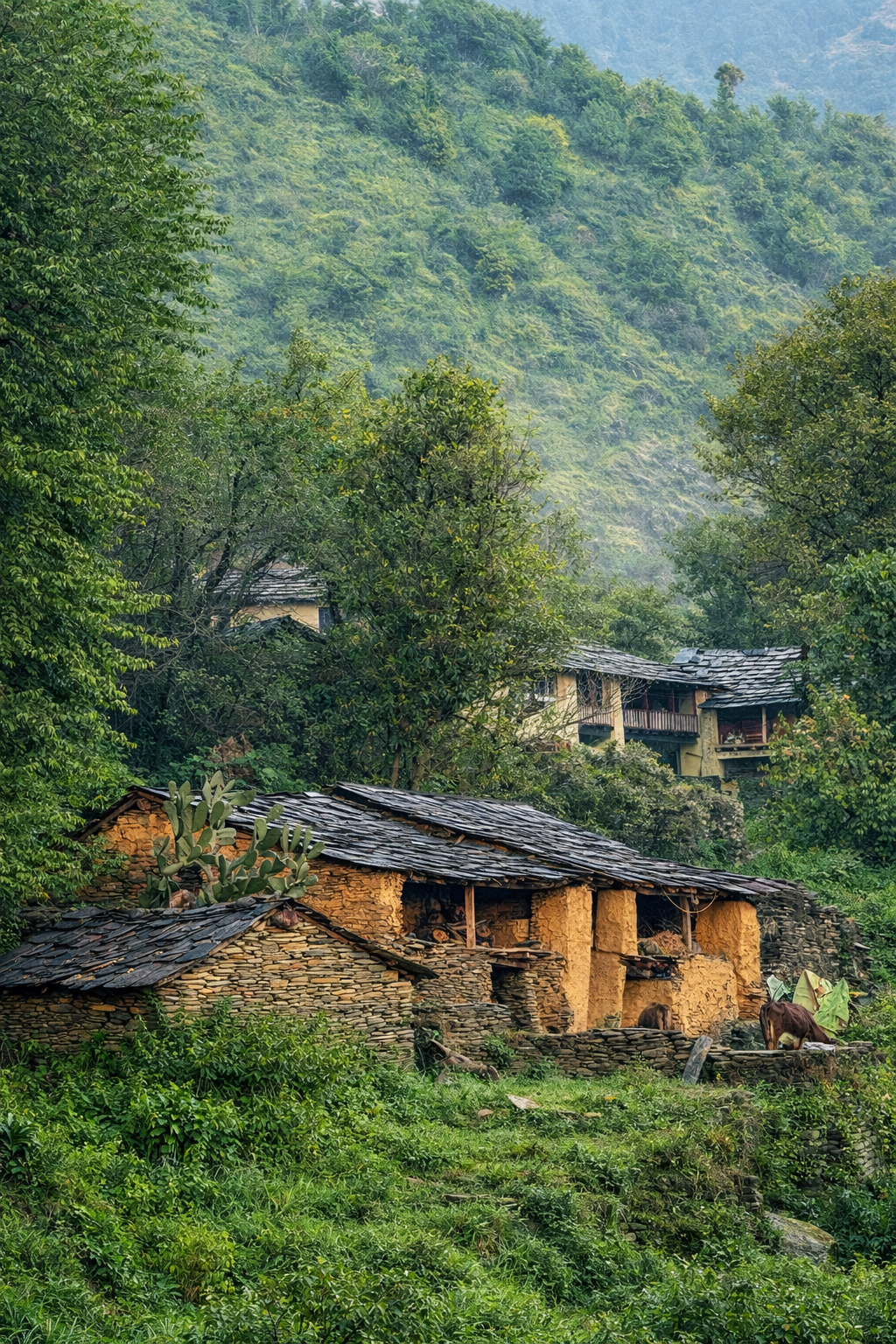
Khaniyara is one of the most underrated places to experience Dharamshala during monsoon. It remains far less crowded than McLeod Ganj, and its open slopes drain quickly, meaning water rarely stagnates after rainfall. This keeps paths usable and the landscape fresh rather than muddy.
During monsoon, Khaniyara comes alive with lush green slopes, seasonal water streams, and wide mountain backdrops. Clouds move across the valley instead of settling heavily, offering longer and calmer view windows. For travellers who prefer space and quiet, this is one of the most rewarding areas in the rainy season.
Khadota
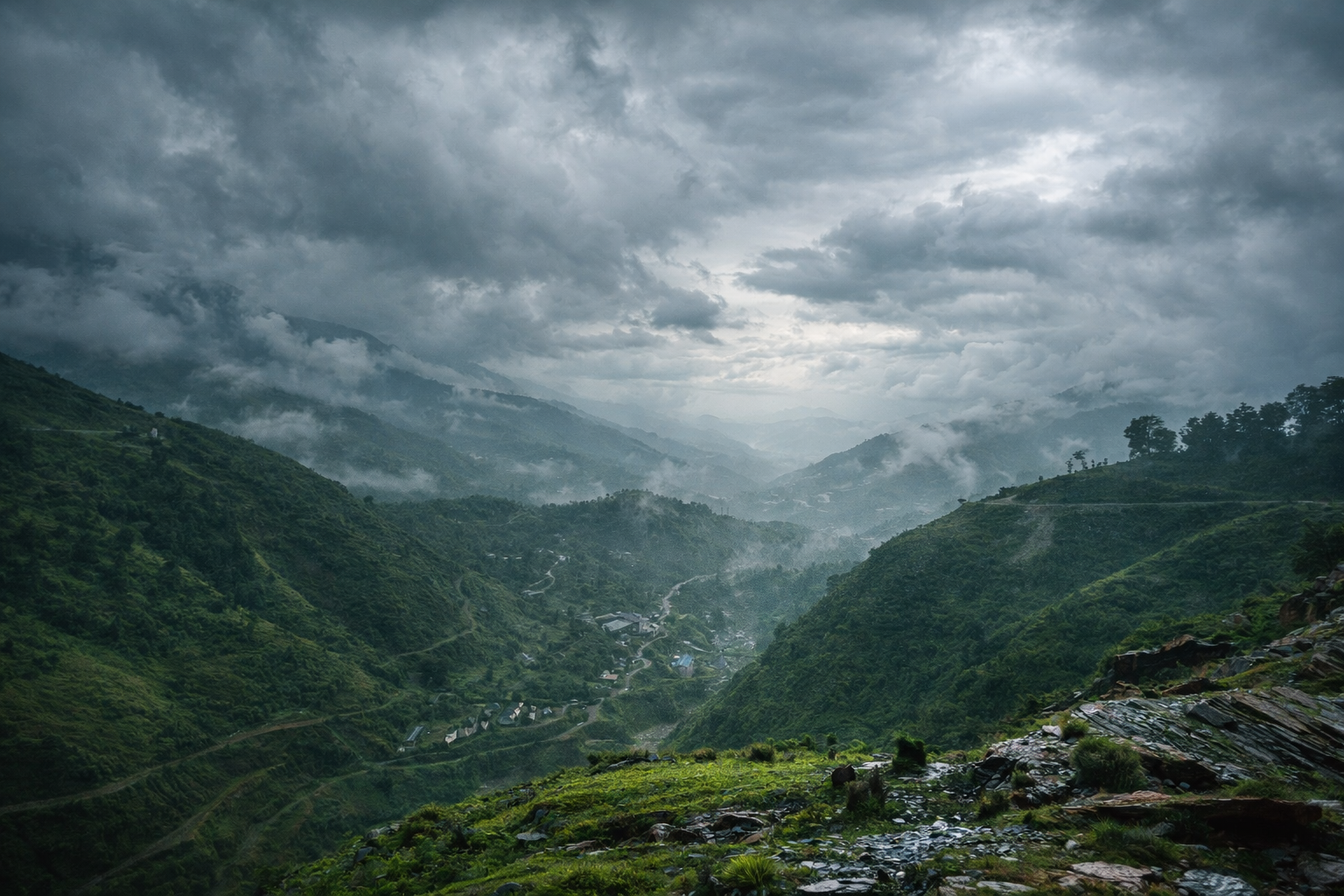
Khadota works well during monsoon for similar reasons. Its open terrain and gentle elevation allow rainwater to flow through quickly, keeping the landscape vibrant without feeling heavy or waterlogged. When clouds lift, views here feel expansive rather than framed, with green slopes and distant mountains emerging clearly for short but satisfying stretches.
Khadota is especially suited for travellers who enjoy standing still and watching the weather change rather than moving constantly between spots.
Where to Stay During Monsoon (Comfort Beats Views)
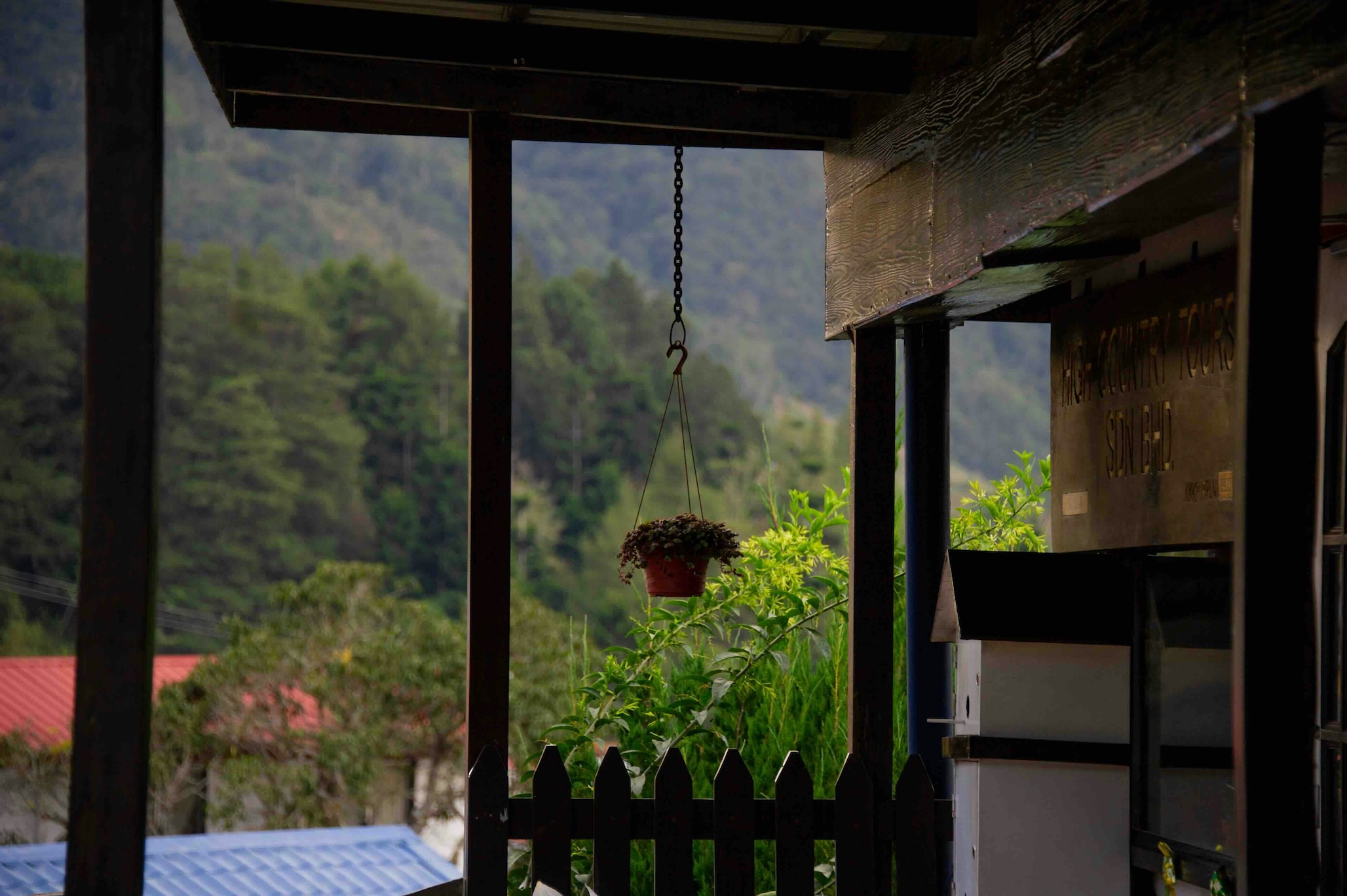
Monsoon changes what a “good stay” means in Dharamshala. During these months, comfort and reliability quietly outperformes dramatic balcony views and distant panoramas.
What tends to matter most is walkability; being able to step out for tea, food, or a short walk without navigating slippery slopes is of huge importance.
Good drainage and approach roads matter more than aesthetics, and warm, usable common areas matter because evenings can be long, damp, and slower than usual.
This is also why monsoon often becomes an unexpectedly good season for remote workers and long-stay travellers. Rain naturally reduces external distractions, daily life becomes quieter, and days settle into a steady rhythm that supports focus rather than movement.
Why Homestays Often Work Better in Monsoon for Longer stays
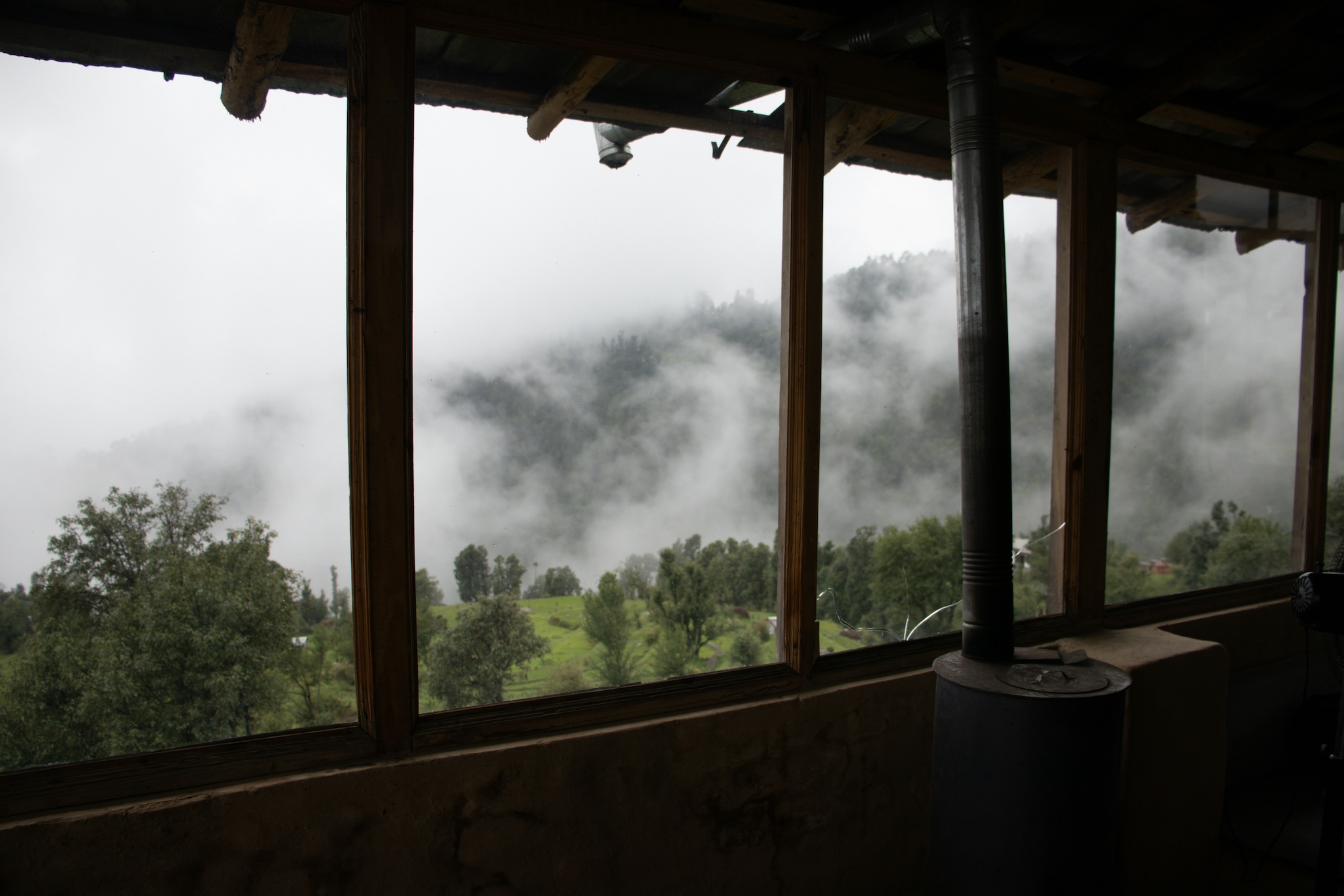
For travellers staying a week or longer, especially those working remotely, homestays tend to feel more appropriate than hotels during monsoon.
Hosts who live on-site usually understand:
- when power cuts are likely to happen and how to manage them
- which paths remain usable after heavy rain
- how daily rhythms change during prolonged rain showers
Homestays also allow for flexible routines like slower mornings, longer indoor hours, and work-friendly spaces that don’t feel temporary or transactional.
Areas That Work Well for Monsoon Stays
Rather than focusing on individual property names, I would like to recommend the right area to the traveller, to help them select a well-reviewed homestay or Airbnb within it.
- Dharamkot: quieter, forested, popular with remote workers; fewer crowds during monsoon
- Upper Bhagsu slopes: close to cafés and essentials, with better drainage than lower areas
- Khaniyara side: open landscapes, less congestion, and calmer surroundings
- Residential pockets of McLeod Ganj: easier walkability during rain, better access to taxis and shops
In these areas, smaller Airbnbs and family-run homestays often provide a more stable monsoon experience than large, view-centric hotels.
A Note on Long Stays & Remote Work
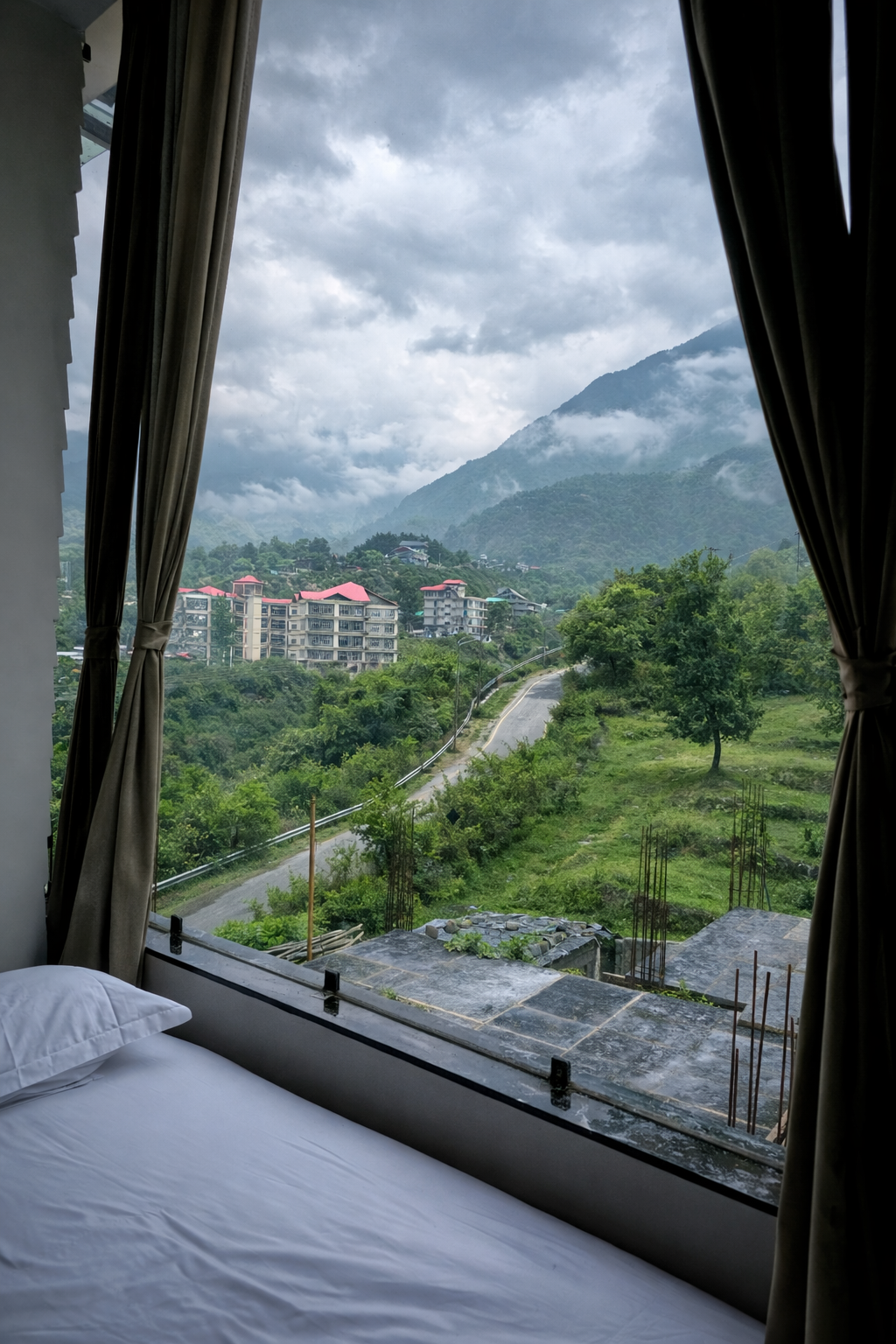
Monsoon rewards travellers who stay longer.
Short check-ins often feel weather-dependent, while longer stays allow you to adjust your schedule to the rain rather than fighting it. Many remote workers find that after a few days, the season stops feeling restrictive and starts feeling grounding and even peaceful.
If you’re planning a longer stay and want a quieter base, you can explore Manoratham Villa our homestay in Khaniyara, Dharamshala, designed for travellers and remote workers who prefer a slower, monsoon- friendly pace.
What to Pack (Monsoon Edition)
- shoes with grip (more important than “waterproof”)
- A good sized umbrella
- If u prefer walking in light rain, a rain coat will help immensely
- Quick-drying clothes
- Light warm layers for cool mornings and evenings
- Rain cover for backpack
- Waterproof pouch for phone + documents
- One extra set of socks (always)
- Portable chargers for unexpected power cuts
Monsoon in Dharamshala: Frequently Asked Questions
1. Is Dharamshala safe to visit during the monsoon season?
Yes — with awareness and flexibility. Dharamshala generally remains safer during monsoon compared to hill towns like Kullu, Manali, or Shimla because of its ridge-based geography and shorter access roads. Disruptions here are usually local and temporary rather than region-wide shutdowns. That said, safety during monsoon depends more on timing and patience than on avoiding the season altogether.
2. How heavy is rainfall in Dharamshala during July and August?
July and August receive the highest rainfall of the year, but it does not usually rain all day. Rain typically comes in bursts, most often in the afternoon or evening, with mornings remaining clearer and more stable.
3. Does it rain all day during monsoon in Dharamshala?
No. This is one of the biggest misconceptions. Most monsoon days include dry windows, sometimes several hours long , especially in the mornings. Locals plan their routines around these breaks rather than cancelling daily life entirely, and visitors who do the same tend to enjoy the season far more.
4. Are landslides common in Dharamshala during monsoon?
Small, localised landslides can occur, particularly after intense rainfall, but they are usually cleared quickly. Compared to river-valley towns that depend on long highway stretches, Dharamshala’s access routes are shorter and less vulnerable to prolonged closures. Delays are possible but complete isolation is rare.
5. Do roads to Dharamshala from Delhi or Chandigarh close during monsoon?
Roads generally remain open, though travel may slow down during or after heavy rain. Short halts due to debris clearance or one-lane movement are more common than full closures. Starting journeys early in the day significantly reduces the chances of delays, especially during peak monsoon weeks.
6. Is it safe to visit rivers and waterfalls around Dharamshala in monsoon?
Travellers are advised to be caution near any water body during monsoons. Water levels can rise rapidly due to rainfall upstream, even if the immediate area looks calm. Rocks become slippery, banks can collapse, and conditions change without warning. Enjoying water bodies from a distance is always safer than approaching river edges or waterfall bases after rain.
7. Can I work remotely from Dharamshala during the monsoon?
Yes, especially for longer stays. Internet connectivity is generally reliable in and around McLeod Ganj, Dharamkot, Khaniyara and other residential areas. Occasional power interruptions can occur during heavy rain, but most long-stay accommodations are prepared for this. Monsoon often suits remote work because the town becomes quieter and daily life slows naturally.
8. Which areas of Dharamshala are best to stay in during monsoon?
Areas with good drainage, walkability, and access to essentials work best. Dharamkot, upper Bhagsu slopes, Khaniyara, and residential pockets of McLeod Ganj tend to offer more stable monsoon living than steep, view-dependent locations. Being able to step out safely matters more than panoramic balconies during this season.
9. Will I get mountain views during monsoon in Dharamshala?
Views are not guaranteed, but they do appear, often briefly and unexpectedly. Monsoon views come in windows rather than wide panoramas. Mist, layered forests, and moving clouds replace long-distance snow views. For travellers who value atmosphere over spectacle, this can be deeply rewarding.
10. Is September a good time to visit Dharamshala after monsoon?
Yes. Early to mid-September is often considered one of the most rewarding periods. Rainfall reduces significantly, landscapes are lush green, and environmental disruptions are minimal. It combines the freshness of monsoon with better visibility and more stable travel conditions.
11. What should I avoid doing in Dharamshala during monsoon?
Avoid long treks, waterfall chasing, and tightly packed itineraries. Slippery paths, sudden weather shifts, and unpredictable road conditions make rigid plans frustrating. Monsoon travel works best when activities are flexible and weather-dependent days are built into the schedule.
12. Who should not visit Dharamshala during monsoon?
Travellers who need certainty, fixed sightseeing schedules, or guaranteed views may find monsoon challenging. If delays, changed plans, or waiting for weather windows cause stress, another season may suit you better. Monsoon rewards patience and adaptability rather than checklist-style travel.
Final note
Monsoon in Dharamshala isn’t about avoiding rain, it is about learning how the town moves with it. Travellers who adjust their expectations often leave with a quieter, more grounded experience than those who come chasing perfect weather.
A Final, Honest Reminder for Monsoon Travellers
If you’re looking for certainty, monsoon is not the season for you.
If you’re comfortable with:
- slower days
- changing plans
- waiting for weather windows
- enjoying moments instead of schedules
then Dharamshala remains one of the safer, calmer hill towns to experience monsoon, provided you travel thoughtfully.
Monsoon doesn’t ask you to cancel your trip.
It asks you to travel differently.
Pingback: Dharamshala Itinerary: Ultimate Guide for 2, 3, 5 & 7 Days
Pingback: Dharamshala Itinerary: How Many Days You Need + 2, 3, 5 & 7 Day Trip Plans - manoratham.com
Pingback: 8 Best Treks in Dharamshala for Every Skill Level
Pingback: Remote Work in Dharamshala: Why People Are Moving Here & What To Know First - manoratham.com