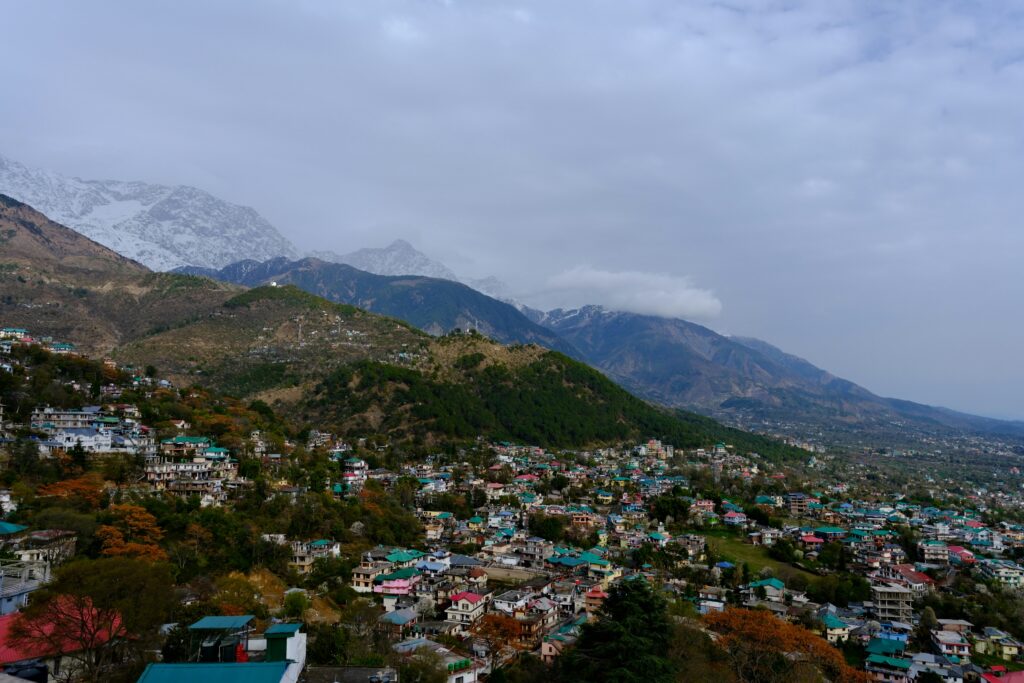
Most first-time visitors experience Dharamshala through McLeod Ganj. They visit the cafés, monasteries, markets, and enjoys the mountain views packed into a small walkable area.
But Dharamshala has a quieter side that most travellers never reach, not because it’s far, but because nobody explains how the place actually works.
This guide explores some of the most offbeat places in Dharamshala focusing on slower, less touristy experiences that reveal how the region truly feels once you move beyond the familiar paths. If you’re exploring beyond the main areas alone, read this solo female traveller guide first to understand what feels safe and what to avoid.
If you’ve already explored our Dharamshala Travel Guide 2026, think of this article as the deeper layer: the side you discover when curiosity replaces checklist travel. A few of these spots, Pong Dam, Bathu Ki Ladi, the Kangra-side tea gardens, sit well out in the wider Kangra Valley rather than Dharamshala proper, so if you are piecing the whole region together, that guide is the map to it.
Table of Contents
Understanding Dharamshala First – A Quick Mental Map
Before exploring hidden places, it helps to understand why experiences change so much within short distances.
- Upper Dharamshala (McLeod Ganj, Dharamkot, Naddi) feels international: cafés, hostels, monasteries, trekkers.
- Lower Dharamshala feels more local: everyday markets, residential neighbourhoods, valley-facing roads.
As you move upward toward the mountain ridges, things become slower and more retreat-focused. Move downward toward the valley, and you notice tea landscapes, local routines, and wider views.
Many travellers focus only on upper Dharamshala, but spending time beyond it creates a completely different experience of the region. This is often why many offbeat places in Dharamshala remain overlooked, even though they’re not far from the main tourist areas.
If you’re planning how many days you actually need, our detailed itinerary can help you pace things realistically.
Offbeat Places in Dharamshala Beyond McLeod Ganj (Local Experiences You Shouldn’t Miss)
Offbeat places aren’t necessarily remote, they’re simply experiences that show a quieter, less commercial side of Dharamshala.
Instead of grouping by geography, let’s explore them by experience – the way travellers actually choose what feels right.
1. Nature & Quiet Landscapes
Among the many offbeat places in Dharamshala, these quiet landscapes offer some of the most peaceful experiences away from tourist crowds.
Chilgari Tea Gardens
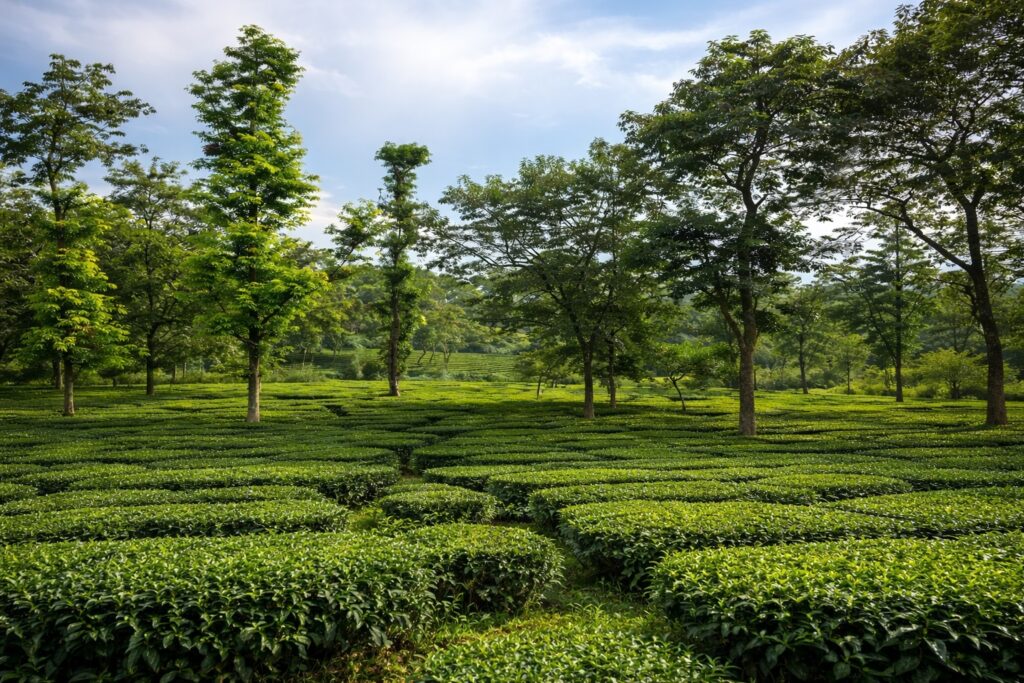
What it is: gentle tea landscapes overlooking Kangra Valley.
Why it feels different: open space replaces café crowds.
Who it suits: slow travellers and photographers.
Walking through the tea gardens feels calm, especially in early mornings before valley haze begins to rise. These landscapes offer some of the most peaceful Kangra valley experiences without requiring long hikes.
If you’re wondering whether this is worth visiting without trekking – it absolutely is.
Juhal View Point
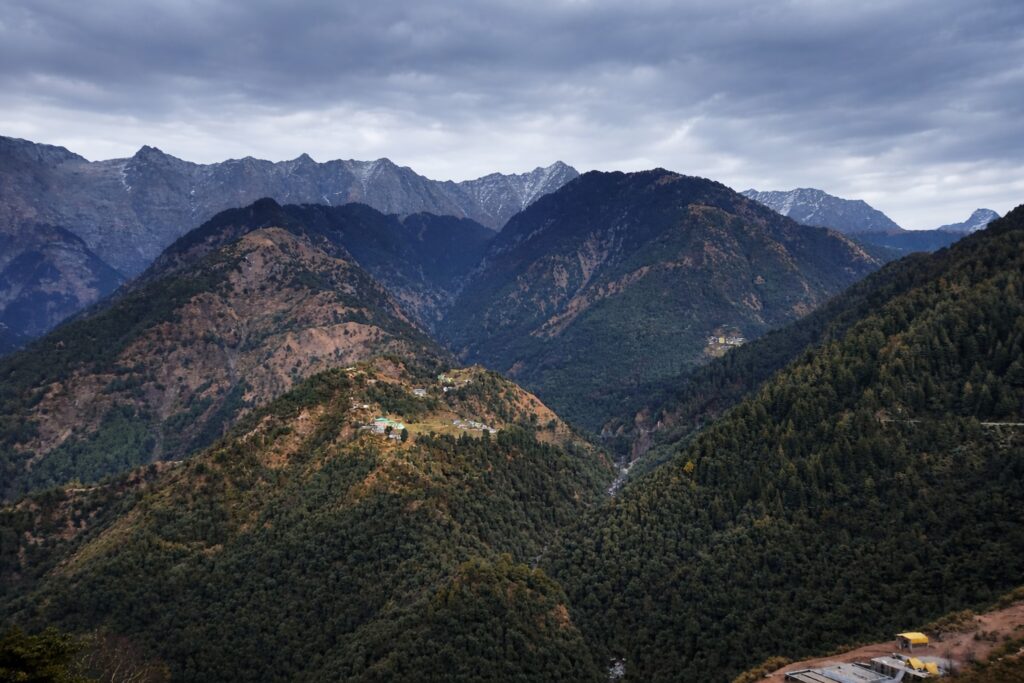
What it is: a lesser-known mountain viewpoint.
Why it feels different: quieter than popular sunset spots.
Who it suits: travellers looking for quiet views without effort.
Compared to busier viewpoints near McLeod Ganj, Juhal feels more relaxed; the kind of place where you sit longer than expected.
Local insight: If you wander a little away from the main viewpoint, you’ll often find small quiet spots near the water channels and natural edges of the hillside: ideal for simply sitting, listening to the sound of water, and enjoying the valley without distractions. Many visitors miss these because they stop at the first viewpoint and leave.
Pong Dam (Maharana Pratap Sagar)
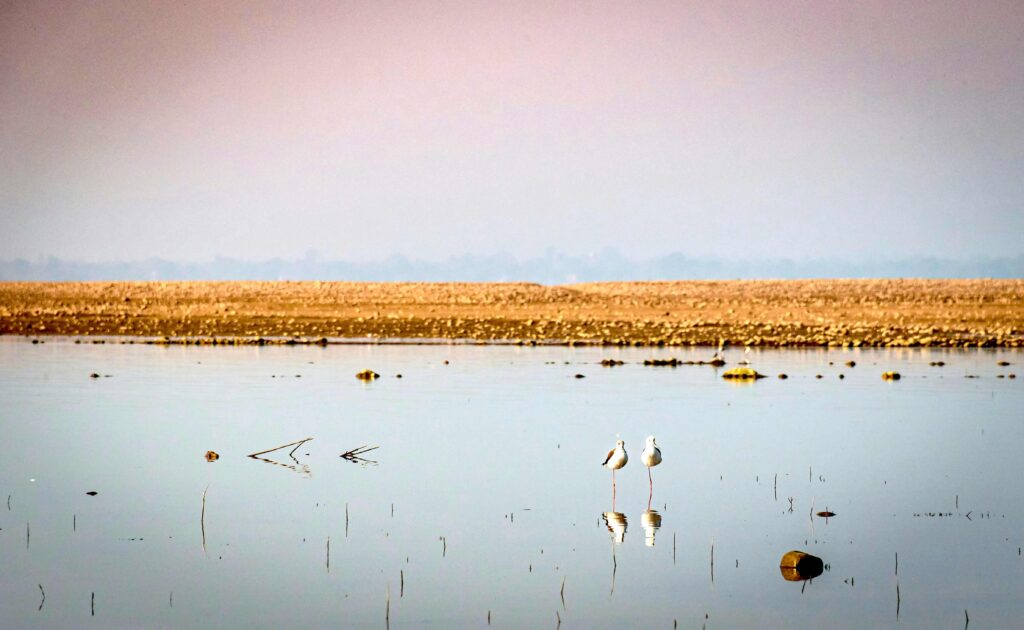
What it is: a large reservoir on the Beas River known for wetlands and seasonal birdlife.
Why it feels different: wide open water landscapes, very different from Dharamshala’s mountain views.
Who it suits: travellers looking for calm, nature-focused day trips.
Pong Dam feels spacious and unhurried, making it one of the most distinctive offbeat places in Dharamshala for travellers seeking open landscapes and quiet time in nature, especially compared to the busy mountain zones around McLeod Ganj. During winter, roughly November to March,the reservoir turns into a seasonal home for migratory birds, including bar-headed geese and several species of ducks.
Early mornings are the quietest, when the water stays still and bird activity is highest. This is not a place you rush through, the experience comes from slowing down and observing.
Himachal Tourism highlights Pong Dam as an important winter habitat for migratory birds.
Bathu Ki Ladi Temple
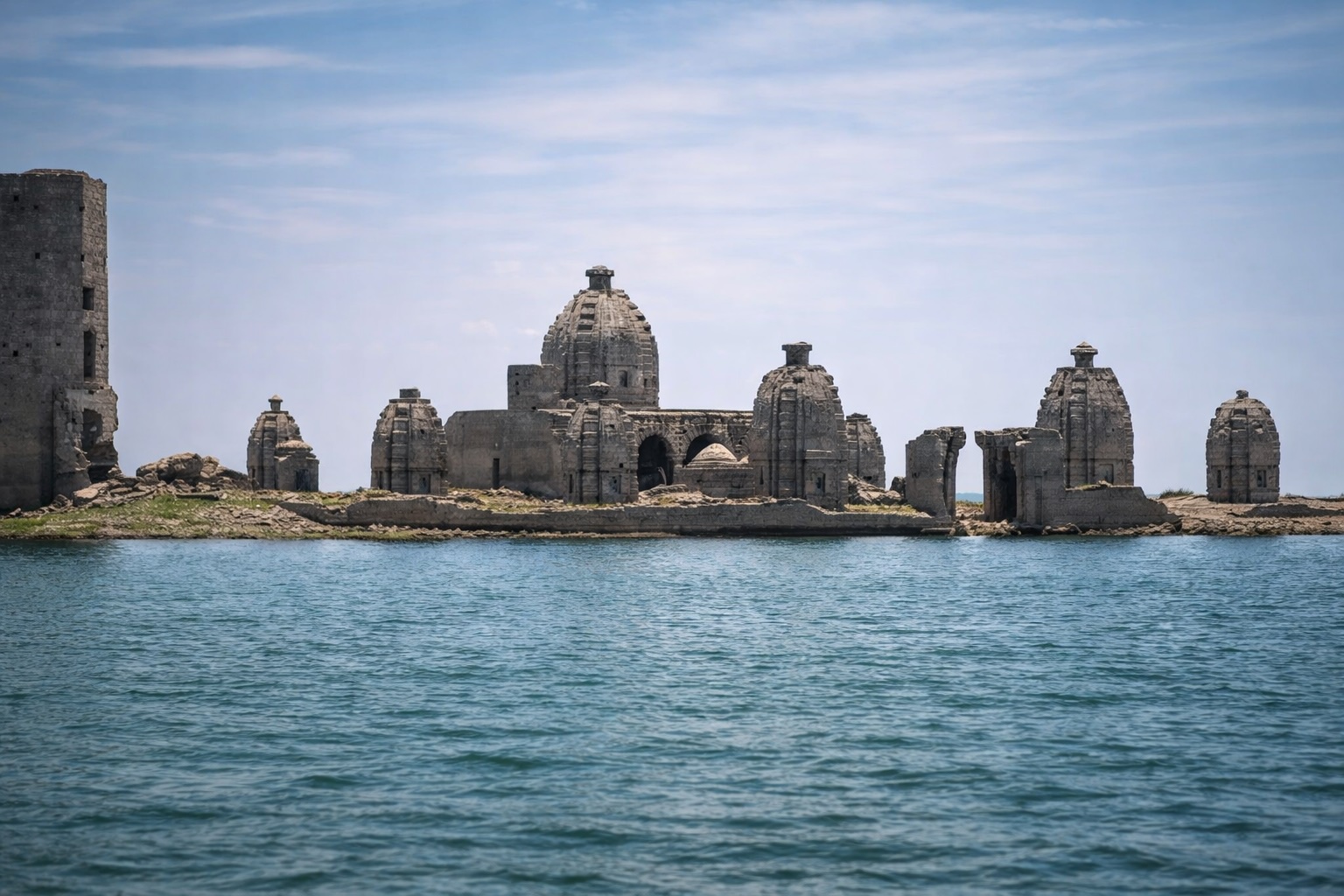
What it is: an ancient stone temple complex that appears when reservoir water levels drop.
Why it feels different: partially submerged temples rising from the water create a rare, almost surreal landscape.
Who it suits: travellers interested in heritage, photography, and quiet exploration.
Located about 90–95 km from Dharamshala, Bathu Ki Ladi is believed to date back several centuries and is often linked to early regional temple-building traditions under the Katoch rulers.
For much of the year, the structures remain underwater. When the water recedes, a narrow stone path connects the temples, allowing visitors to walk between them, a seasonal transformation that feels completely different from typical temple visits in Himachal.
Local insight: arrive earlier rather than later. Morning light and calmer water make the stone structures appear almost suspended, a detail that’s easy to miss later in the day.
2. Spiritual & Cultural Side
Chamunda Devi Temple
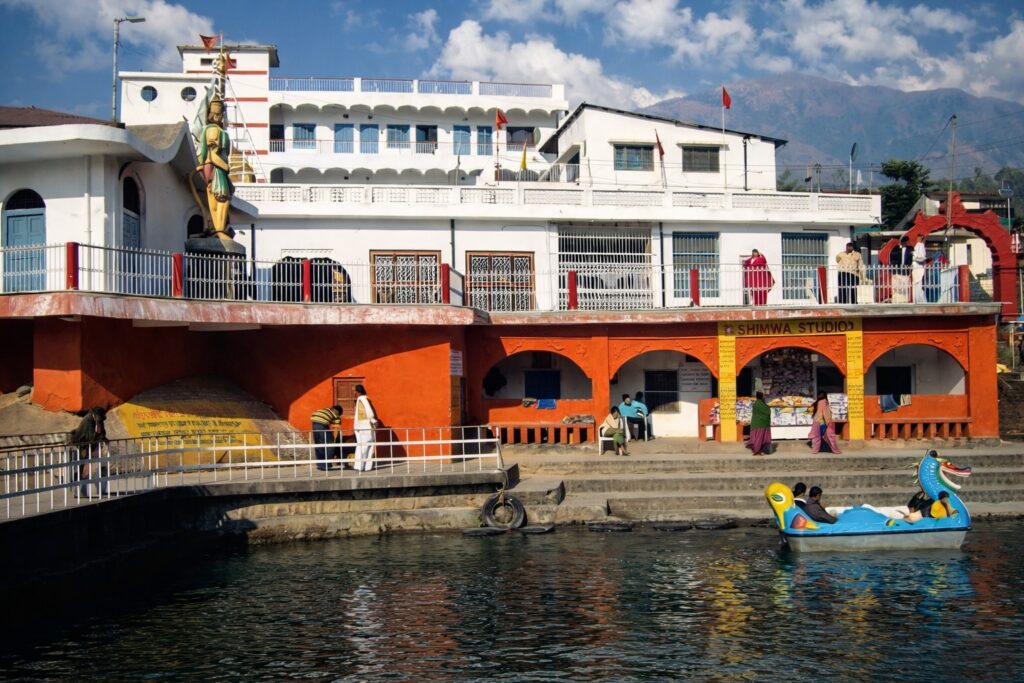
What it is: an important Shakti shrine dedicated to Goddess Chamunda
Why it feels different: blends strong pilgrimage energy with peaceful mountain surroundings.
Who it suits: travellers interested in cultural and spiritual experiences.
Chamunda Devi Temple is one of the most respected temples in the Kangra region, attracting both pilgrims and travellers throughout the year. According to local tradition, the original shrine of the goddess was located higher in the mountains near what is now known as Himani Chamunda. The present-day temple was later established at a more accessible location so devotees could visit safely without undertaking a difficult mountain journey.
Even if you’re not visiting for religious reasons, the atmosphere here feels grounded and authentic, quieter than many large pilgrimage centers. Himachal tourism and local temple records note Chamunda as one of the major Shakti Peeth traditions in the region.
Aghanjar Mahadev Temple
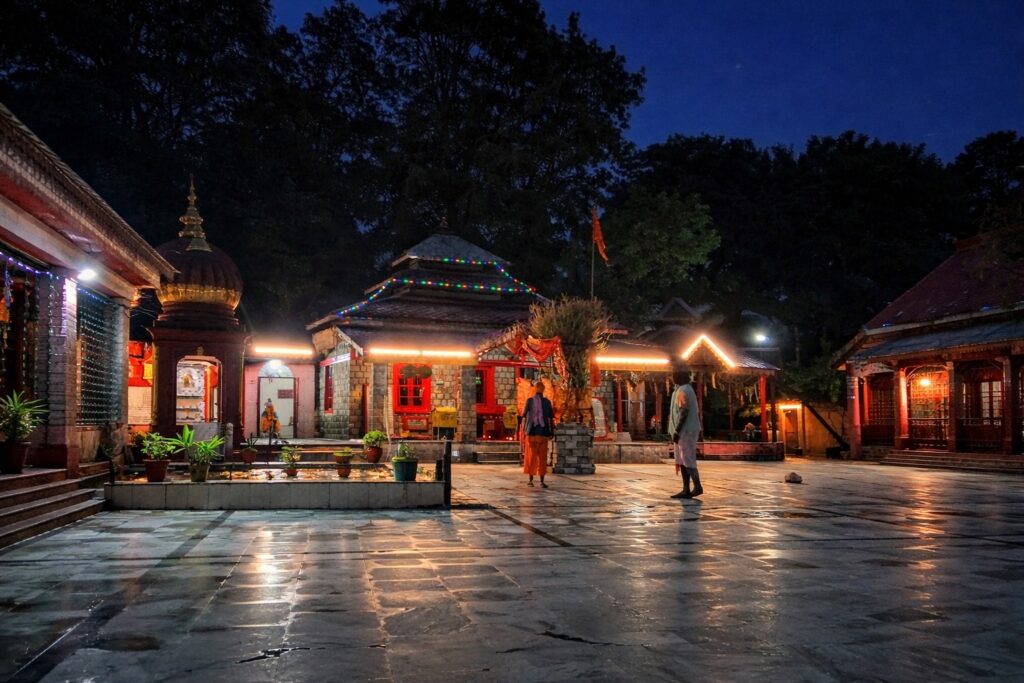
What it is: a small forest temple surrounded by flowing water and greenery.
Why it feels different: intimate, calm, and less visited.
Who it suits: slow travellers and those looking for quiet reflection.
Aghanjar Mahadev Temple is believed to be associated with ancient local legends connected to Lord Shiva, and many locals regard it as an old meditation site because of the natural springs and forest surroundings. Over time, the temple has remained simple and grounded, preserving its quiet atmosphere rather than becoming a large pilgrimage center.
These smaller spiritual spaces often become unexpected highlights because they don’t feel rushed or commercial.
Norbulingka Institute
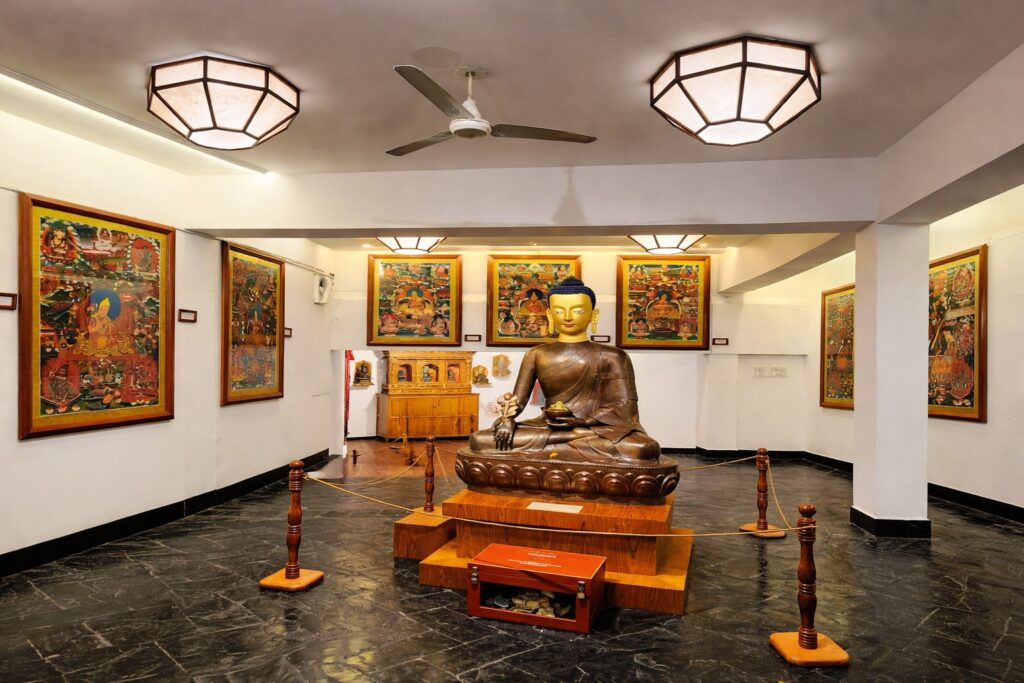
What it is: a Tibetan cultural preservation center focused on arts and craftsmanship.
Why it feels different: immersive cultural atmosphere rather than sightseeing crowds.
Who it suits: anyone interested in deeper cultural context.
Founded in the 1990s after the Tibetan exile community settled in the region, Norbulingka Institute was created to preserve traditional Tibetan arts, wood carving, thangka painting, and craftsmanship that risked being lost over time. The campus itself is designed in traditional style, with gardens, workshops, and quiet pathways that encourage slow exploration rather than quick sightseeing.
If monasteries introduced you to Tibetan heritage, Norbulingka helps you understand the artistic side beyond prayer halls – showing how culture continues through everyday creative work. The institute’s official website explains its role in preserving Tibetan art and culture.
If Norbulingka and the monasteries pull you toward the Tibetan side of the region, set aside a day for the Bir Tibetan Colony about an hour away , a whole Tibetan refugee settlement where the Nyingma, Kagyu, and Sakya schools rebuilt their monasteries side by side,
starting with Chokling Monastery, the gompa that founded the colony itself, and the grand Kagyu seat of Palpung Sherabling in the pine forest nearby. It’s the most complete version of the heritage you only glimpse here.
And the monasteries are only part of it, see my full guide to the things to do in Bir Billing for the waterfalls, treks, and sunsets that fill a day or two there, plus my honest take on Bir’s best cafes once you need a place to sit.”
Kangra Art Museum
Kangra miniature paintings and Pahari crafts inside a small museum in Kotwali Bazaar.
Why it feels different: it sits down in Lower Dharamshala, not McLeod Ganj, so almost no visitors make it here.
Who it suits: travellers curious about the valley’s own art, away from the crowds.
Tucked into the Kotwali Bazaar end of lower Dharamshala, this is one of the most genuinely offbeat cultural stops in town, and usually so quiet you have the galleries to yourself. It holds original Kangra painting, the delicate Pahari miniature tradition of the valley, along with old sculpture, coins and carved wood.
3. Yoga Institutes & Cultural Retreats
Dharamshala quietly attracts long-stay travellers interested in mindfulness, meditation, and retreat culture. These spaces reflect the growing slow travel Dharamshala movement, less about sightseeing and more about staying present.
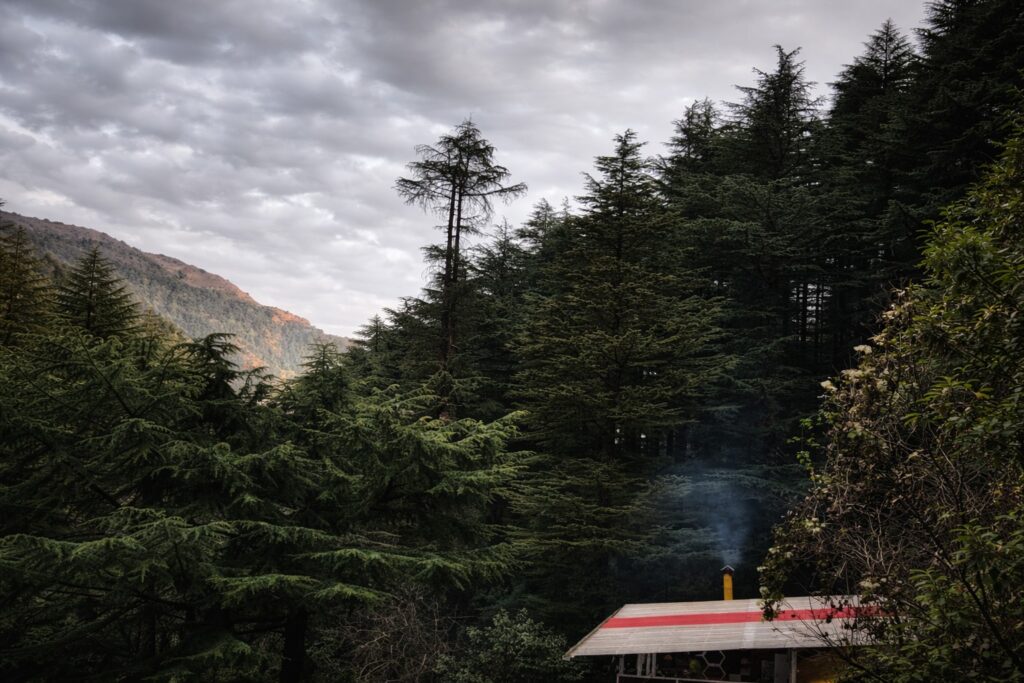
Several well-known centers around Dharamshala focus on meditation and cultural learning rather than tourism.
- Tushita Meditation Centre, located above McLeod Ganj, is a well-established Tibetan Buddhist retreat space offering meditation courses and philosophy programs in a quiet forest setting.
- Dharamkot Studio, located in Dharamkot village, has become a popular space for yoga, sound healing, movement workshops, and community gatherings, attracting travellers who want a more experiential and creative wellness environment rather than structured retreat settings. (dharamkotstudio.com)
Dharamkot is also known for its laid-back cafe culture, explore some of the best cafes in Dharamkot here. Many offbeat places also have hidden food spots, here’s what to try from Dharamshala’s local food culture.
These places aren’t tourist attractions, they’re environments designed for silence and reflection. Even if you don’t join a formal retreat, simply knowing this side of Dharamshala exists helps explain why so many people come here for longer stays.
Many remote workers and long-term visitors naturally gravitate toward these slower spaces.
4. Village Life & Local Experiences
Rakkar & Khaniyara Villages
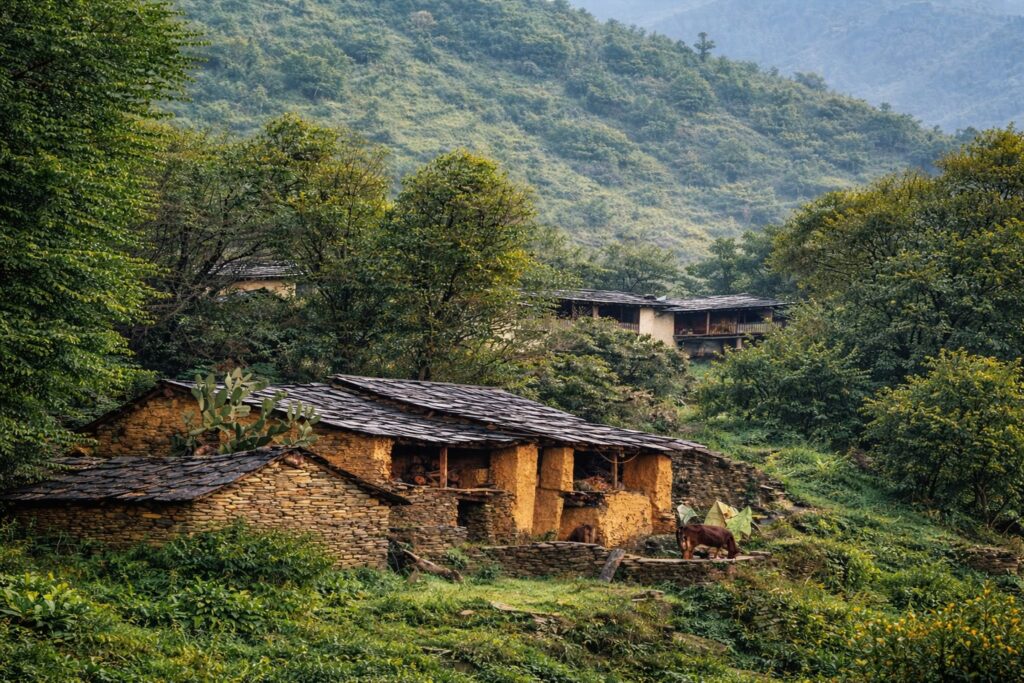
What it is: traditional hillside settlements beyond the main tourist zones.
Why it feels different: slower daily rhythm, local homes, and open valley landscapes.
Who it suits: travellers curious about authentic local experiences in Dharamshala.
Compared to the café-heavy atmosphere of upper Dharamshala, villages like Rakkar and Khanyara feel grounded and lived-in. You’re more likely to see everyday life, farms, local markets, and mountain routines, than curated experiences.
These aren’t places where you “do” things; they’re places where you watch how mountain life unfolds quietly.
Visitors staying longer often tell me this is the moment Dharamshala finally feels real, when plans slow down and daily life becomes part of the experience.
Local insight: mornings here feel especially calm, soft valley light, fewer vehicles, and a sense that time moves slower than in upper Dharamshala.
Bangotu Village (Above Indrunag)
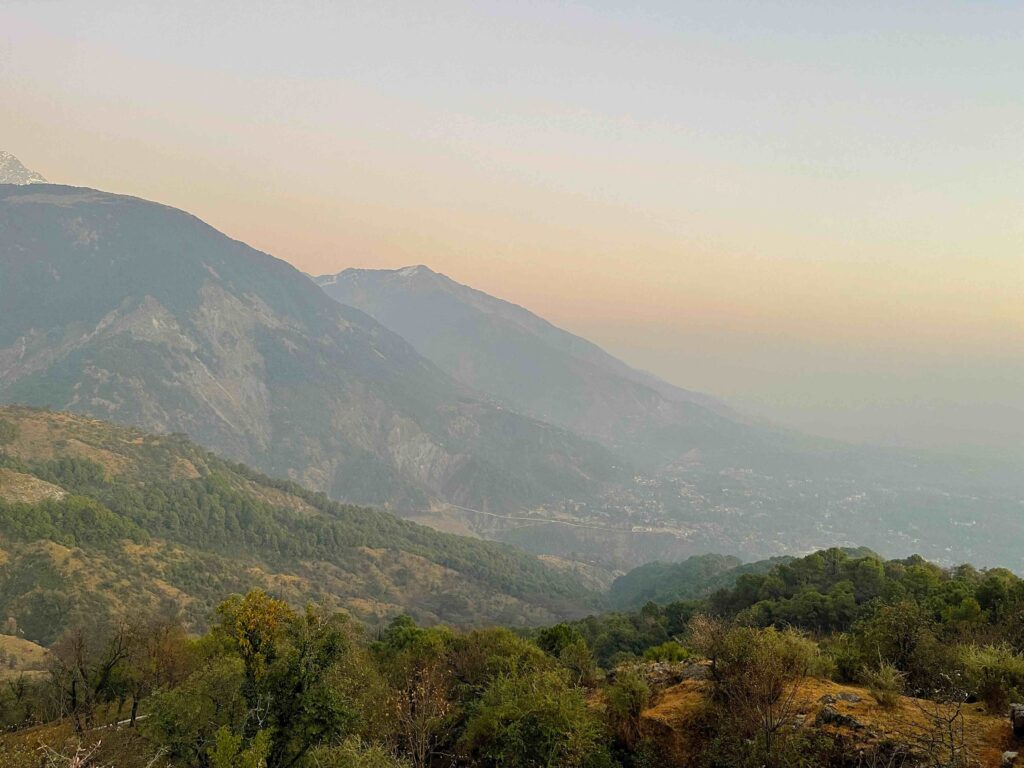
What it is: a small mountain village located above Indrunag.
Why it feels different: quiet ridge-side views with minimal tourist activity.
Who it suits: travellers looking for sunset viewpoints and authentic Himachali village atmosphere.
Bangotu is one of those places people often discover accidentally while exploring beyond Indrunag. The views open wide toward the valley, and sunsets here feel surprisingly peaceful because very few visitors continue this far.
Unlike popular viewpoints where people come and go quickly, Bangotu encourages lingering, sitting with the view, hearing distant village sounds, and experiencing a quieter version of Dharamshala.
If you’re interested in combining gentle adventure with local atmosphere, this works well after visiting Indrunag.
5. Soft Adventure Beyond the Usual Trails
Indrunag Paragliding
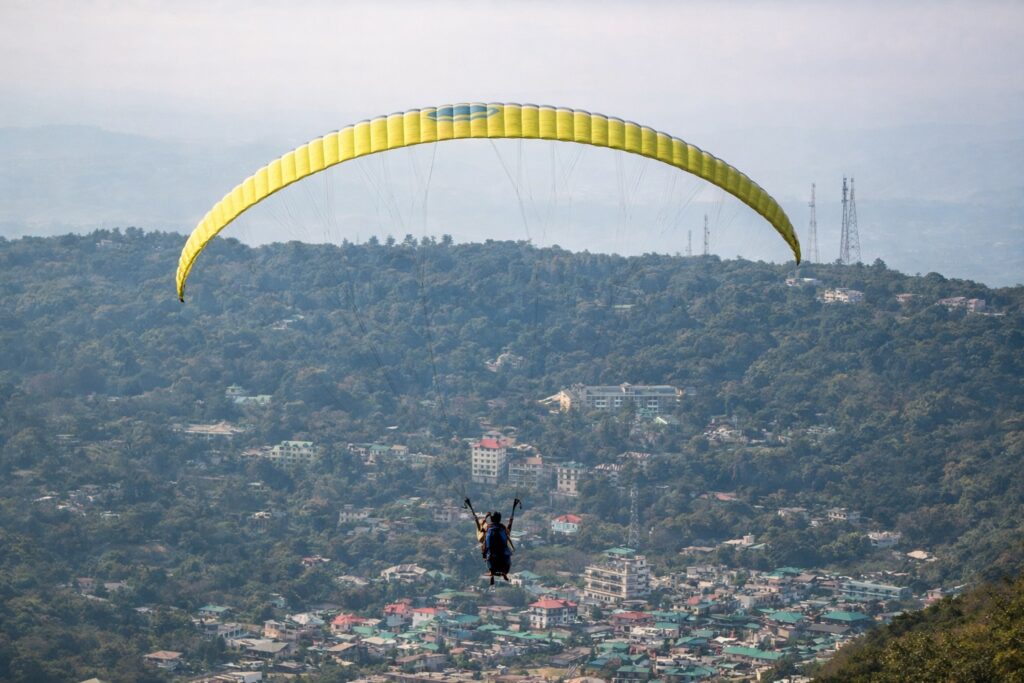
What it is: a paragliding take-off point overlooking the valley.
Why it feels different: adventure without committing to long treks.
Who it suits: first-time adventure seekers.
Even if you’re not into hardcore adventure, Indrunag remains accessible and rewarding. Indrunag is the gentle, no-commitment option; if you want the full experience, Bir Billing paragliding an hour down the valley is one of the best flying sites in the world, and I’ve written an honest first-hand guide to what it’s actually like.
For travellers planning stays nearby, explore accommodation insights here at the official website: Indrunag adventures
Himani Chamunda Trek
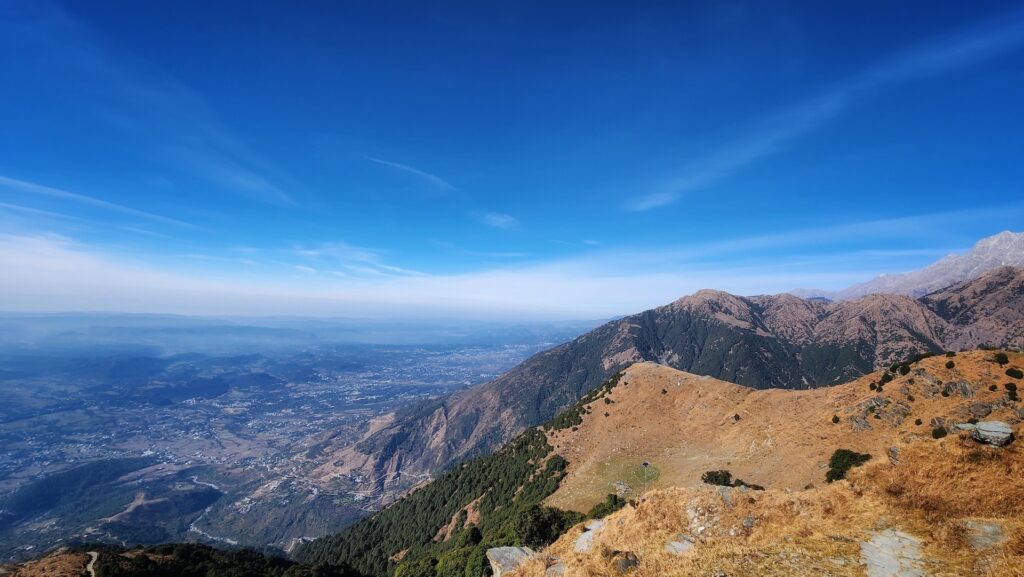
What it is: a moderate mountain trail leading to the original high-altitude shrine associated with Goddess Chamunda.
Why it feels different: combines spiritual significance with quiet forest and mountain landscapes.
Who it suits: travellers looking for light-to-moderate adventure with cultural depth.
Unlike the accessible Chamunda Devi Temple in the valley, Himani Chamunda is believed to be closer to the original site where the goddess was worshipped in the mountains. The trail reflects older pilgrimage routes that devotees once followed before the lower temple was established.
The path gradually moves from village edges into forested slopes, creating a softer trekking experience compared to more crowded trails near McLeod Ganj. It works well for travellers who want a meaningful walk without the intensity of high-altitude trekking.
If you’re comparing trail difficulty or planning your trekking days, our detailed guide on the Best Treks in Dharamshala gives a broader overview.
How to Explore These Places Without Rushing
Exploring these offbeat places in Dharamshala isn’t about covering more ground, it’s about slowing down enough to actually experience them. After hosting travellers in Dharamshala, I’ve noticed that the happiest trips usually aren’t the busiest ones, they’re the ones where people leave space for slow, unplanned moments.
Travellers nowadays, see many places but rarely feel connected to any of them.
The quieter side of Dharamshala works differently, it rewards slower movement and fewer plans.
Instead of rushing from spot to spot, think in terms of experiences, not checklists.
Half-Day Slow Explorations
Many guests I’ve hosted initially try to cover too much in one day, but once they slow down and combine nearby places, the experience becomes far more enjoyable.
When friends or guests ask me where to go without exhausting themselves, I usually suggest combining places that naturally flow together.
Good examples:
- Norbulingka Institute + Chilgari Tea Gardens
→ culture followed by a quiet walk through open valley views. - Aghanjar Mahadev + nearby village roads (Rakkar and Khaniyara villages)
→ a calm spiritual stop followed by slow local exploration. - Indrunag + Bangotu village at sunset
→ gentle adventure followed by peaceful views.
These combinations work because you’re not constantly moving, you’re letting each place breathe.
Full-Day Slow Exploration Plans
Some places deserve an entire day, not because they are far, but because the experience unfolds slowly.
Pong Dam + Bathu Ki Ladi Temple
When I visited this area for the first time, what stood out wasn’t the temples themselves, it was how quiet everything felt once you stopped rushing. Watching birds, walking slowly along the water, and staying through changing light makes a big difference.
Chamunda Side + Himani Chamunda Trail
Many travellers stop at the new temple and leave quickly. But locals often see the mountain trail of Himani Chamunda Trek, as part of the larger experience; a gradual shift from pilgrimage energy into forest silence.
Kangra Station to Palampur by narrow-gauge rail
If one full day belongs in a guide about slowing down, it is this one. The heritage train takes about ninety minutes to cover a stretch you could drive in under an hour, and the whole point is that you cannot make it go any faster. There are no photographs worth taking after a while, only the Dhauladhar sitting outside the open window. Here is the day I chose the slowest way to Palampur, from an empty platform at nine in the morning to the tea gardens at the other end.
Kangra Fort + Brajeshwari Devi Temple
The fort is not obscure, it is simply skipped, because most people are hurrying from McLeod to Bir. Give it a morning and you climb through a sequence of angled stone gates to ramparts looking clear across the valley, usually with almost nobody else up there. Brajeshwari, barely a kilometre from the Kangra bus stand, makes a natural second stop for late-morning darshan.
It rewards curiosity rather than convenience, which is more or less the argument of this whole guide, and here is the morning I finally climbed Kangra Fort after years of driving past it.
If you’re unsure where to start, this quick comparison helps you choose based on the kind of experience you want.
Quick Comparison: Offbeat Places Beyond McLeod Ganj
| Experience you want | Best Place | Time Needed | Ideal for |
| Quiet nature & valley views | Chilgari Tea Gardens | 1–2 hrs | Slow travelers, photographers |
| Peaceful viewpoint | Juhal View Point | 30–60 mins | Relaxed sunset seekers |
| Water landscapes & birdlife | Pong Dam | Half day | Nature lovers, birdwatchers |
| Unique heritage experience | Bathu Ki Ladi | Half–full day | History & photography lovers |
| Spiritual calm | Aghanjar Mahadev | 1 hr | Quiet reflection |
| Cultural depth | Norbulingka Institute | 2–3 hrs | Culture-focused travelers |
| Village atmosphere | Rakkar / Khanyara | Flexible | Slow travel seekers |
| Quiet sunset village | Bangotu | 1–2 hrs | Local experience lovers |
| Gentle adventure | Indrunag | 1–2 hrs | First-time adventurers |
| Spiritual trekking | Himani Chamunda | Half day | Light adventure + culture |
Transport Reality (Honest Local Advice)
One thing I’ve learned after helping travellers plan their days here is that mountain distances almost always take longer than people expect.
After hosting travellers and helping them plan routes, one pattern always repeats:
Mountain distances look short on maps, but they take longer than expected.
A few simple things help:
- Plan fewer places per day.
- Keep one flexible buffer in your schedule.
- Hire a local taxi when combining valley locations, it saves time and stress.
The best days in Dharamshala usually happen when there’s space for unexpected pauses.
If you’re unsure where to start, this quick comparison helps you choose based on the kind of experience you want.
A Local Perspective: Experiencing Dharamshala slowly
Over time, especially after hosting travellers, I’ve noticed that the people who enjoy Dharamshala the most aren’t the ones trying to cover everything. They’re the ones who leave space to sit quietly: in a tea garden, on a village ridge, or beside a temple where water flows nearby, simply watching how life moves.
That’s usually the moment when Dharamshala begins to feel different, less like a destination and more like a place you’re living inside, even if only for a short while.
If you’re planning a slower stay or workation, you can read more about our homestay Manoratham, designed for quiet views, comfort, and an easier transition from city pace to mountain living.
Final Thought
The places stay the same but the way people experience Dharamshala changes once they stop trying to fit everything in.
That’s usually when the trip shifts from sightseeing… to belonging, even if only for a little while.
Frequently asked questions
What are the best offbeat places in Dharamshala for a quiet experience?
Some of the most peaceful offbeat places include Chilgari Tea Gardens, Rakkar village, Aghanjar Mahadev Temple, Bangotu village, and Pong Dam. These locations are less crowded than McLeod Ganj and are better suited for slow travel, photography, and relaxed exploration.
Are offbeat places in Dharamshala suitable for first-time visitors?
Yes. Many offbeat spots are easy to reach and don’t require difficult trekking. Places like Juhal View Point, Norbulingka Institute, and tea gardens are beginner-friendly and can be explored slowly, making them ideal even for travelers visiting Dharamshala for the first time.
Can I explore places beyond McLeod Ganj without hiring a guide?
Yes. Most places can be visited independently using local taxis or personal transport. Planning fewer stops per day helps avoid rushing. A guide is optional for trails like Himani Chamunda but not necessary for most villages, temples, or cultural sites mentioned in this guide.
How many days do you need to explore offbeat places in Dharamshala?
A relaxed exploration usually needs at least 3–4 days. This allows time to combine half-day experiences with slower full-day outings without rushing. Travelers staying longer often enjoy mixing village visits, cultural sites, and nature spots to experience the region more deeply.
Are these offbeat placesin Dharamshala crowded during peak season?
Most of these places remain quieter compared to central McLeod Ganj, even during busy months. However, temples and popular viewpoints may see higher footfall on weekends or festivals. Early mornings generally provide the calmest atmosphere and a more peaceful experience overall.
Can these places be explored without trekking or heavy walking?
Yes. Many locations such as Norbulingka Institute, Pong Dam, Bathu Ki Ladi, and village areas require minimal walking. Only sections like Himani Chamunda involve moderate trekking, so travelers can easily customize their itinerary based on comfort and fitness level.
Is Dharamshala good for slow travel and longer stays?
Dharamshala works especially well for slow travel. Quiet villages, wellness spaces, tea landscapes, and flexible day trips allow visitors to explore gradually rather than rushing. Many travelers extend their stays once they move beyond tourist-heavy areas and experience the slower mountain rhythm.
Which offbeat places are best for photography near Dharamshala?
Chilgari Tea Gardens, Bathu Ki Ladi Temple, Bangotu village sunsets, and Pong Dam offer excellent photography opportunities. These places provide open landscapes, water reflections, and natural light conditions that feel very different from crowded markets or café areas.
Are there peaceful places near Dharamshala suitable for meditation or reflection?
Yes. Aghanjar Mahadev Temple, yoga retreats around Dharamkot, and quiet village areas like Rakkar are ideal for calm reflection. These places are less commercial and naturally quieter, making them popular for travelers interested in mindfulness or spiritual experiences.
Is it possible to combine offbeat places with adventure activities?
Absolutely. Soft adventure options like Indrunag paragliding or Himani Chamunda Trek can be paired with nearby village visits or cultural stops. Combining one active experience with slower locations helps create a balanced itinerary without making the trip feel physically exhausting.