Most travellers’ list of things to do in Bir Billing has exactly one item: jump off Billing and glide back down to Bir. I get it, the flight is the headline. But I live an hour away in the Kangra valley, and I’ve lost count of how many times I’ve driven over for a day and ended up staying for three.
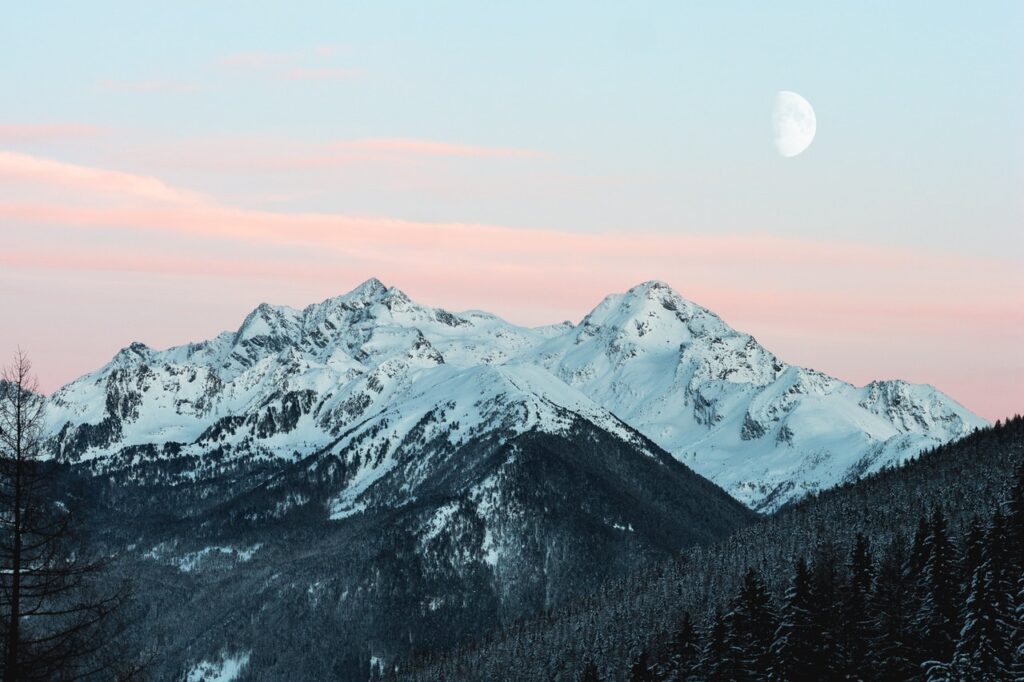
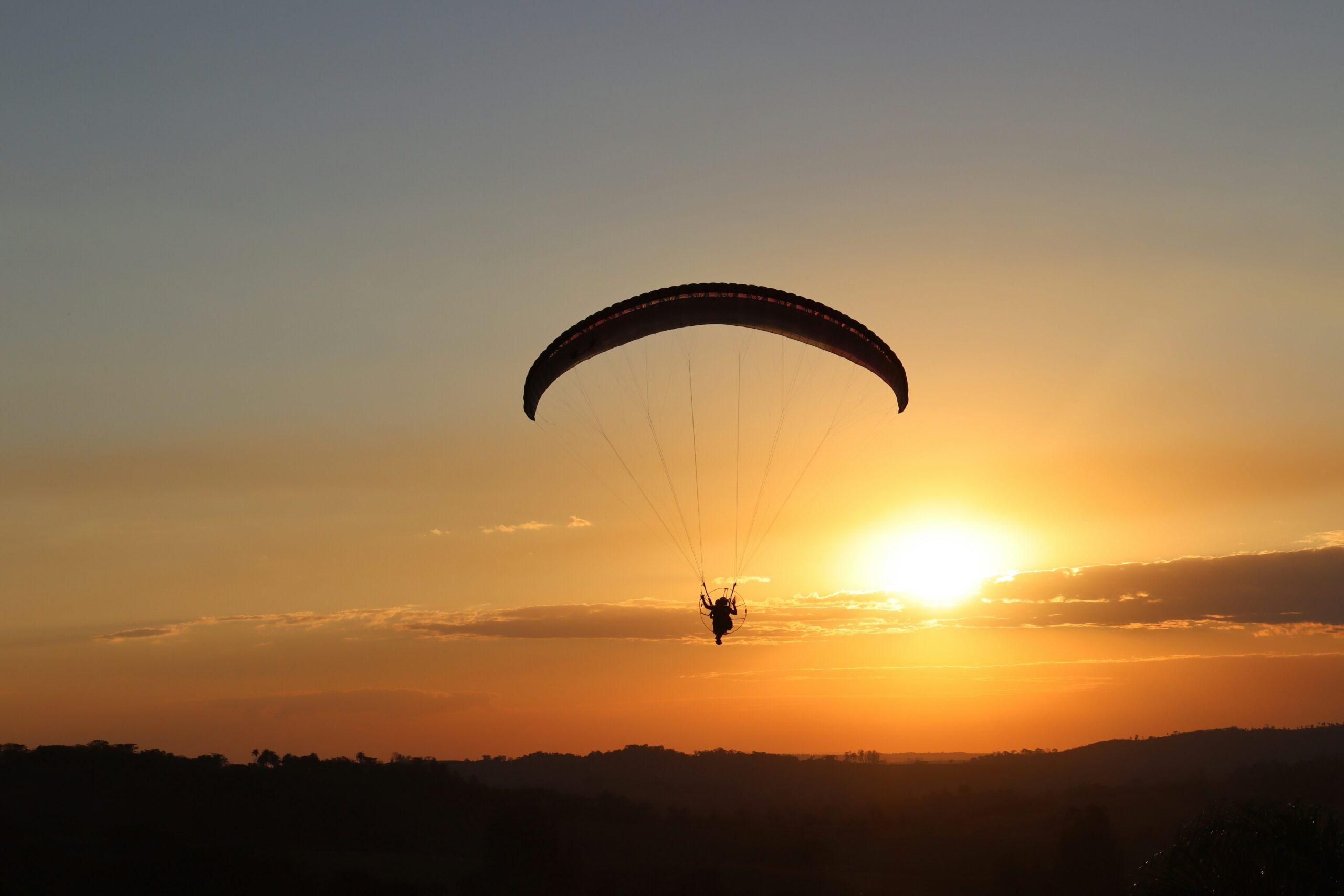
Here is what the one-day visitors miss. They never sit on a cafe terrace at dusk watching the last paragliders drift down over the Tibetan colony while the Dhauladhars turn pink behind them. They never wander into a near-empty monastery on a weekday morning and hear nothing but low chanting and the hum of a butter lamp. They never find the waterfall a twenty-minute scramble past the last guesthouse, or the tea gardens, or the little lake the locals mostly keep to themselves.
Bir is not a stop. It is a place to slow down. These are the 12 things that make it worth far more than a flight, ordered roughly the way I’d actually do them, written from years of coming back. Bir sits about 65 km from Dharamshala, so it works as a long day trip or, far better, a slow few days.
Table of Contents
Plan-it-fast facts:
- Altitude: Bir ~1,400 m; Billing takeoff ~2,400 m
- Best time: March-June and September-November (clear skies, flying season)
- How long: 2 days minimum, 3 ideal, 4-5 for a workation
- Getting there: ~65 km from Dharamshala; nearest airport Gaggal/Kangra (~70 km)
- Getting around: rented scooty or cycle; the cafes and colony are walkable
- Connectivity: Jio and Airtel work in Bir, BSNL is patchy higher up; most cafes and stays have wifi
- Money: ATMs in the Bir market / Chowgan area; carry cash for camps, villages, and day trips
- Language: Hindi and Tibetan, with English widely understood
- Don’t-miss: a sunset at the landing site
First, yes, do the paragliding
Get the famous flight done, it is genuinely worth it: a tandem glide off Billing (about ₹2,500 to ₹3,500 for 15 to 30 minutes) over one of the highest takeoff sites in the world. No experience needed. or the honest first-hand version, what it costs in 2026, whether it’s actually safe, and what the flight really feels like, see my full guide to Bir Billing paragliding.
Two things from years of watching it go right and wrong: book a reputable operator rather than the loudest tout at the landing site, and fly early morning or late afternoon when the air is calm and the queue is thin. And if the glider is not your only adrenaline plan, Bir also does mountain biking (cycle rental from about ₹150/hour), hang gliding, and sky cycling.
Now for the real reason to stay: everything you do once you have landed.
Bir or Bir Billing? The 14 km that confuses everyone
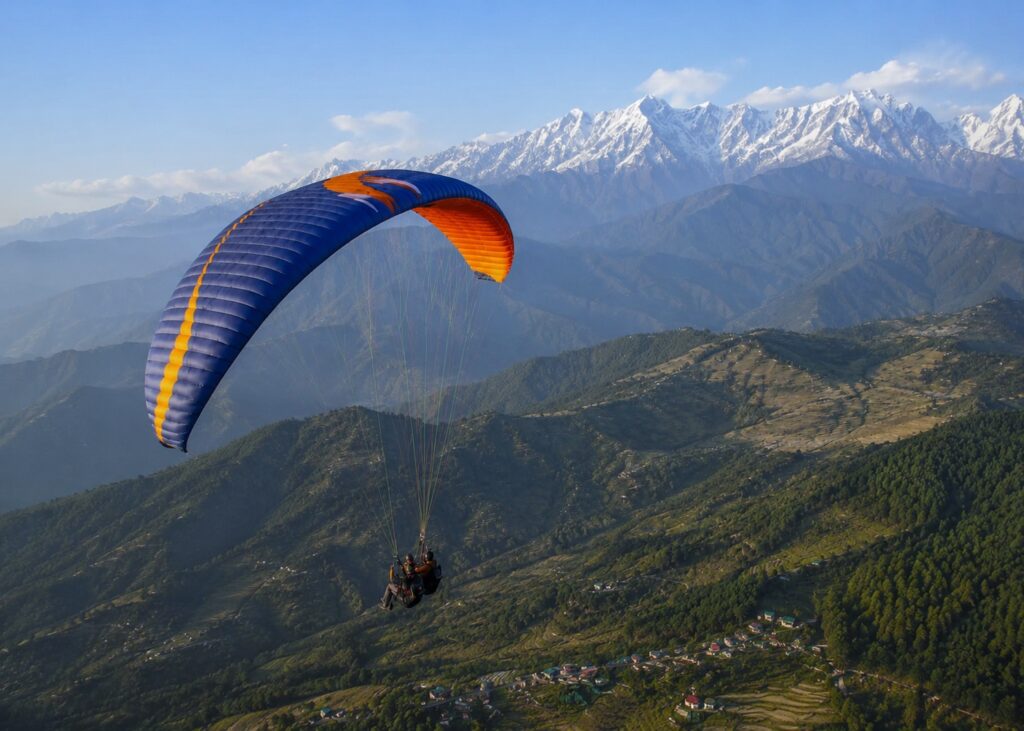
Short version: Billing is the takeoff site, Bir is the landing site and the town you actually stay in. They sit about 14 km apart, and “Bir Billing” is just the two names spoken together.
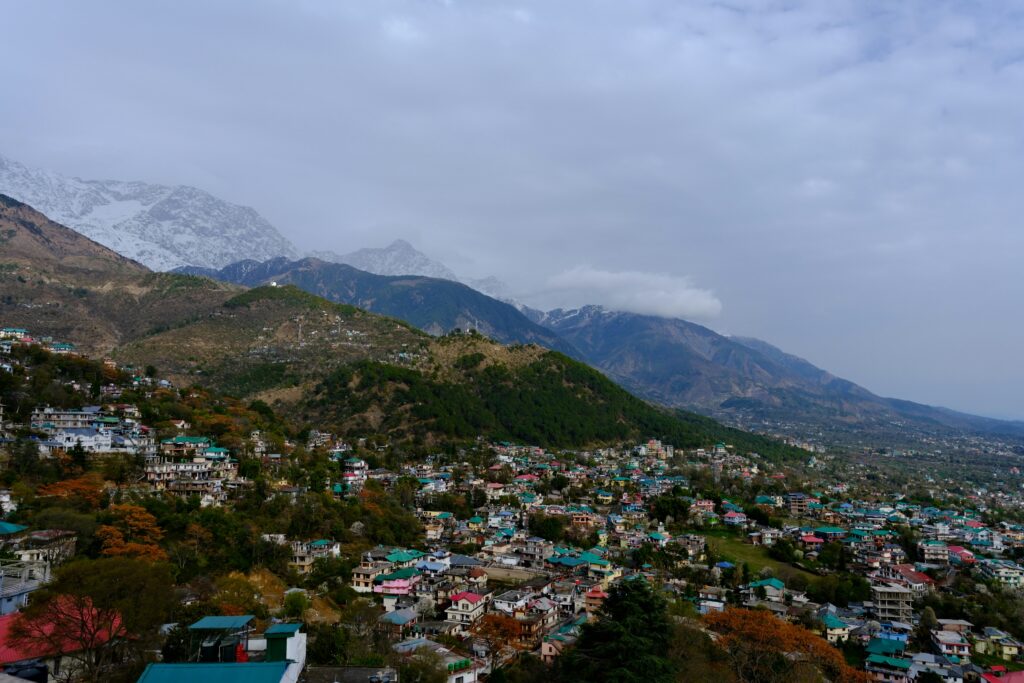
Here is why it trips people up. Every bus ticket, hotel listing, and reel says “Bir Billing” as if it is one place, so first-timers arrive expecting a single town and spend the first hour confused about where their hostel actually is. In practice you will spend nearly all your time in and around Bir, the village at roughly 1,400 m with the cafes, monasteries, and Tibetan colony. Billing, up at about 2,400 m, is essentially a launch meadow with a couple of tea stalls. You go up only to fly, then glide straight back down to Bir.
So when you book a room, book it in Bir (or just below, in the Chowgan area), not Billing. And when someone says they are “going to Billing,” they almost always mean for an hour, to take off.
1. Trek from Bir to Billing (and keep going)
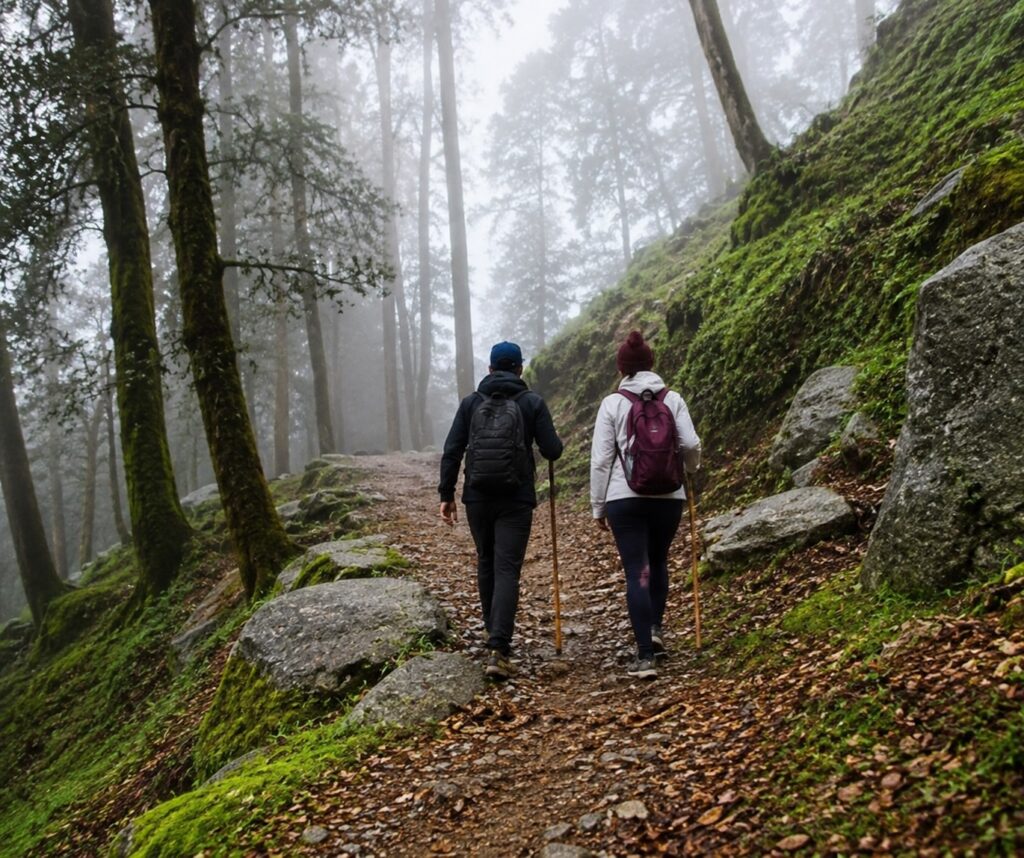
You do not have to pay for a jeep to reach Billing, you can walk up. The old forest trail is about 7 km (the motorable road is 14 km), climbing from Bir at 1,525 m to the Billing meadow at 2,430 m in roughly three to four hours, graded easy to moderate, which in plain terms means most reasonably fit people manage it with breaks.
I love this hike because it flips the whole experience: instead of being driven up to fly down, you earn the top. The trail runs through rhododendron and oak, and if you time it for late March or April the rhododendrons are in full red bloom. Carry your own water and snacks, there are no shops on the old trail, just a seasonal tea stall or two at Billing in peak season.
And Billing is only the start. Bir is the launchpad for some of Kangra’s best multi-day treks, Rajgundha, Barot, and the high Thamsar Pass that crosses into the Ravi valley. If you are weighing it against the Dharamshala side, see our Best Treks in Dharamshala and our complete Triund Trek guide.
2. Chase the hidden waterfalls (Gunehar & Bangoru)
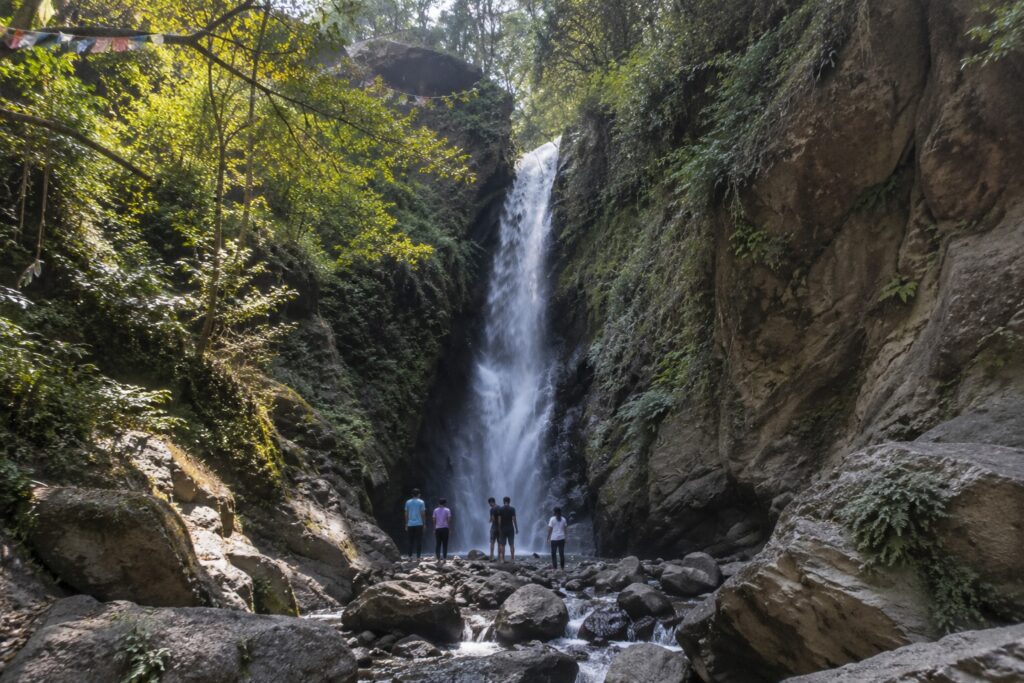
Two short hikes lead to Bir’s secret waterfalls, and they are some of the best things to do in Bir for anyone who would rather walk than fly. The closer one is Gunehar Waterfall, about 1.5 km from the Tibetan colony through Gunehar village, an easy stroll that ends at a roughly 100-foot fall with a cold pool you can dip in. The wilder one is Bangoru Waterfall, a 1 to 1.5-hour walk further up through terraced fields and forest.
If you only have time for one, start with Gunehar, it is gentler, the village walk is half the charm, and the 4Tables art cafe waits at the end. Save Bangoru for when you want quiet and do not mind a steeper, less marked path. Take a local guide or ask at your stay, because the trail is easy to lose.
3. Go monastery-hopping through Bir’s Tibetan heart
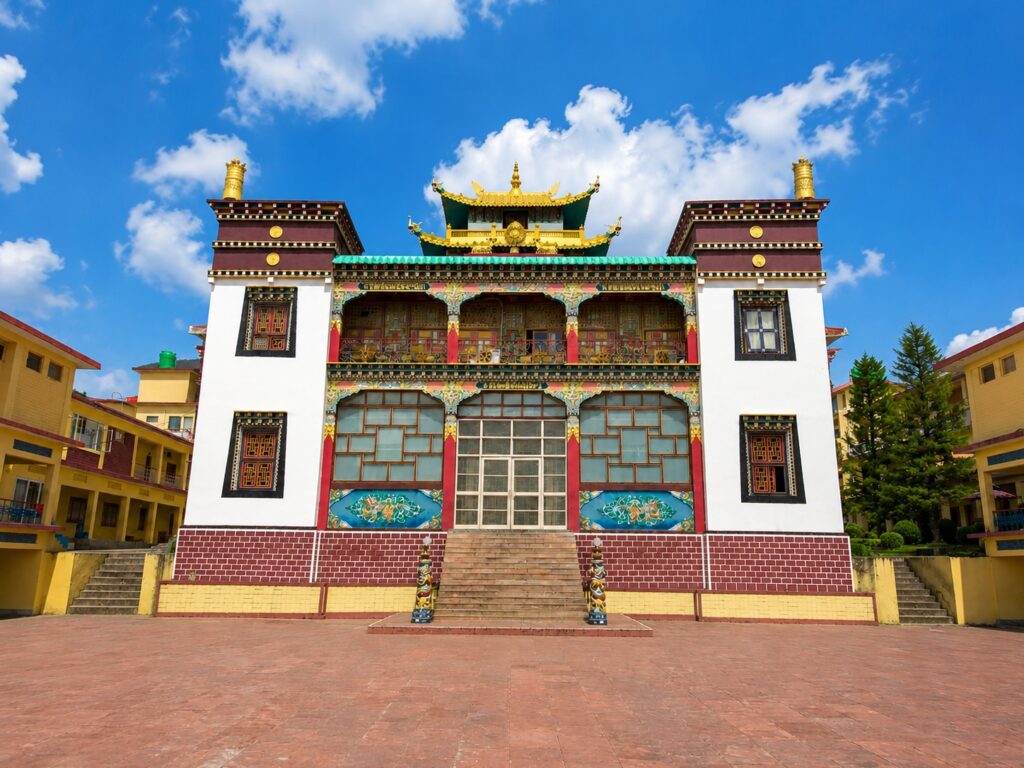
Bir is one of the most important Tibetan settlements in India, and its monasteries are why the whole town feels calm. Three are worth prioritising. Chokling Monastery, in the heart of the Tibetan colony, is the most striking, a huge stupa and a towering Padmasambhava statue (full story in our Chokling Monastery guide). Palpung Sherabling, about 7 km away in a pine forest near Bhattu, is the grandest, a major seat of Tibetan Buddhist learning and worth the short drive (our complete guide Sherabling Monastery). The Bir Tibetan Colony itself is less a single sight than an atmosphere: prayer wheels, momo stalls, monks crossing the road.
If you want stillness over spectacle, the smaller gompas, Tsering Jong and the Nyingma monastery near the landing site, deliver it on a weekday morning when you might have the hall to yourself. Try to catch afternoon prayers (roughly 1:30 to 5:30 at Sherabling) and just sit.
This is also where you shop. The colony’s lanes are the best place in Bir for Tibetan handicrafts, prayer flags, and bags of local Kangra tea to carry home. If the Tibetan-Buddhist thread pulls you, the monasteries around McLeod Ganj are the natural next chapter.
4. Sit in at the Deer Park Institute
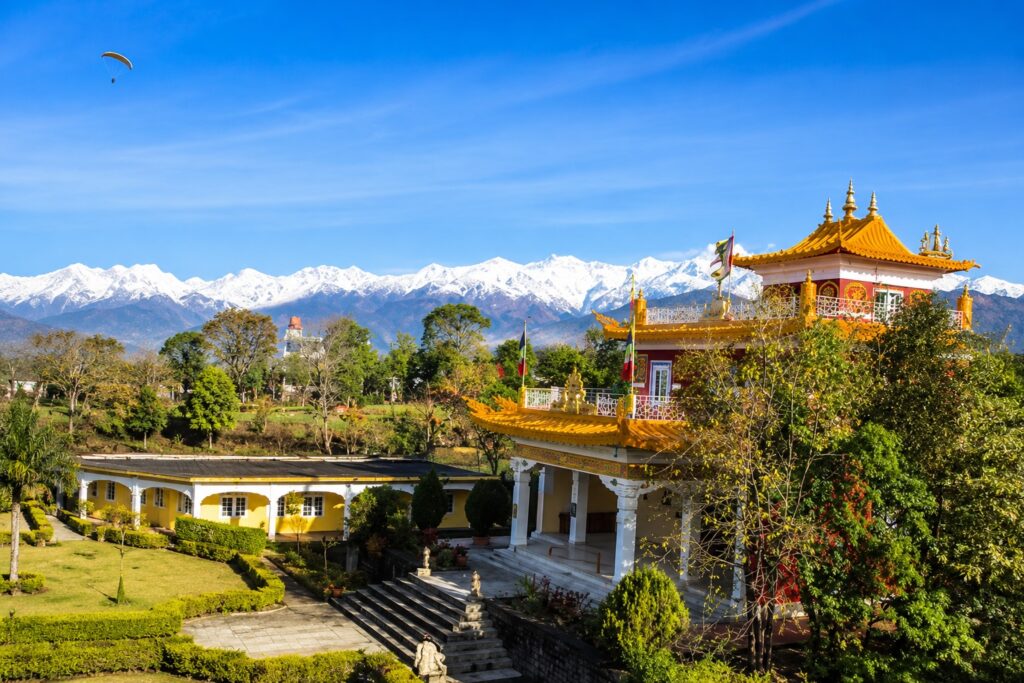
The Deer Park Institute looks like a quiet campus and is actually one of the most interesting things to do in Bir if you like ideas. It is a centre for the study of classical Indian wisdom traditions, running drop-in talks, philosophy and meditation courses, and art workshops that anyone can join, often free or donation-based. You can also simply wander the grounds and sit. Tucked inside is the Himalayan Film School, a small but real film institute in a pagoda-style building.
Two more quiet spots in the same spirit, if this is your thing: the Dharmalaya Institute, an eco-campus on the edge of Bir that teaches sustainable living and takes volunteers, and the Jamtse Tibetan Healing Center for traditional treatments and massage. None of these are tick-box sights. They are places to slow down, which is exactly what Bir is good for.
5. Cafe-hop through Bir (it punches above its size)
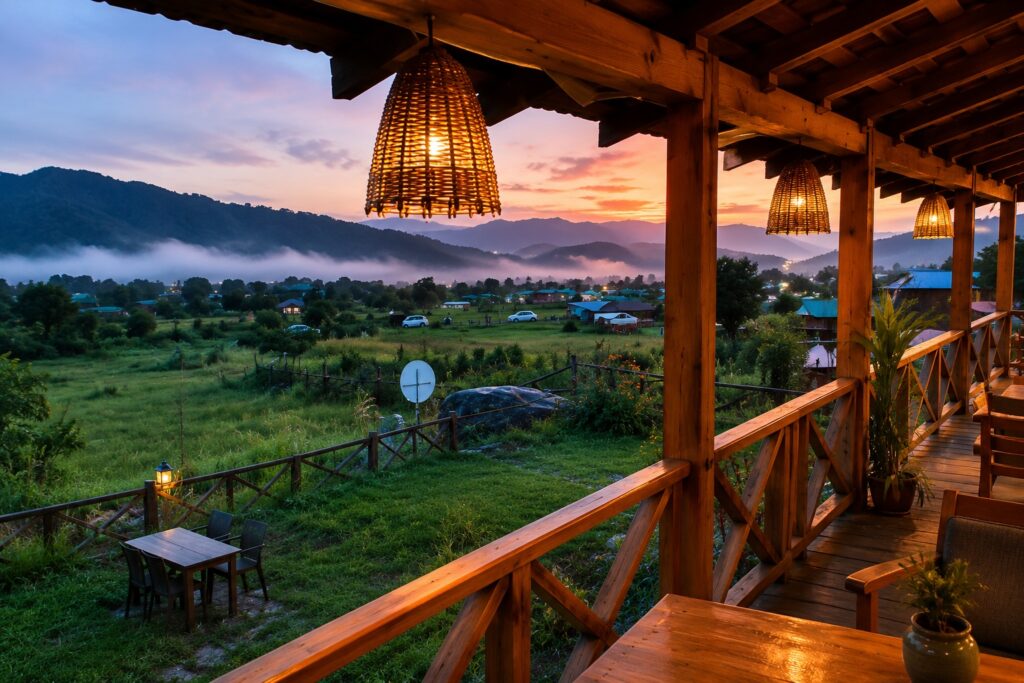
For a village this small, Bir’s cafe scene is ridiculous. It rivals towns ten times its size, and it is half the reason people come for two days and stay for ten. My regular rotation: Garden Cafe for breakfast and its Tibetan bread, Avva’s for South Indian near the landing site, June 16 for pancakes and lemon tea, Silver Lining for desserts, Pahadee Coffee Roasters for proper coffee and homemade pasta, and the 4Tables cafe in nearby Gunehar, which only takes pizza pre-orders but is worth the planning. That’s just my regular rotation. For the full list, which spots are genuinely worth your time and which are only selling the sunset, see my honest guide to the best cafes in Bir.
One thing locals know: most kitchens wind down early, so reach a cafe by about 7:30 pm or you will be hunting for dinner. Doing the Dharamshala side too? Our Best Cafes in Dharamshala covers that scene.
6. Chase a Bir sunset (the real reason to stay the night)
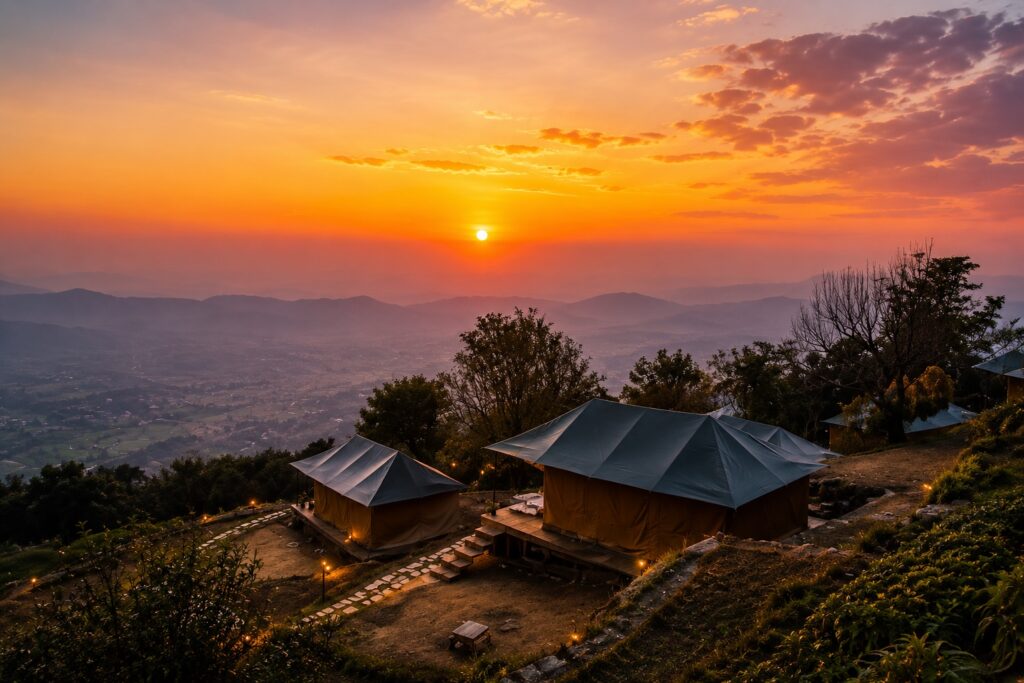
If Bir has a signature, it is the sunset. Every evening the whole town drifts toward a west-facing spot to watch the sky go orange and pink behind the Dhauladhars, and it is the one thing I would not let a visitor skip. The classic place is the paragliding landing site, where you watch the last gliders spiral down as the light fades. Half the town shows up, and it has the easy, social buzz of a daily ritual.
For the same sky with fewer people, head to a cafe terrace. Northern Cafe and Prakriti are both built for this, or out to Village Baari on the edge of town. For the biggest view of all, hike up to the Mata Maheshwari viewpoint (more on that below), where the ranges line up like a wall. Wherever you land, get there fifteen minutes early and put the phone down for at least part of it.
7. Walk the Chowgan tea gardens
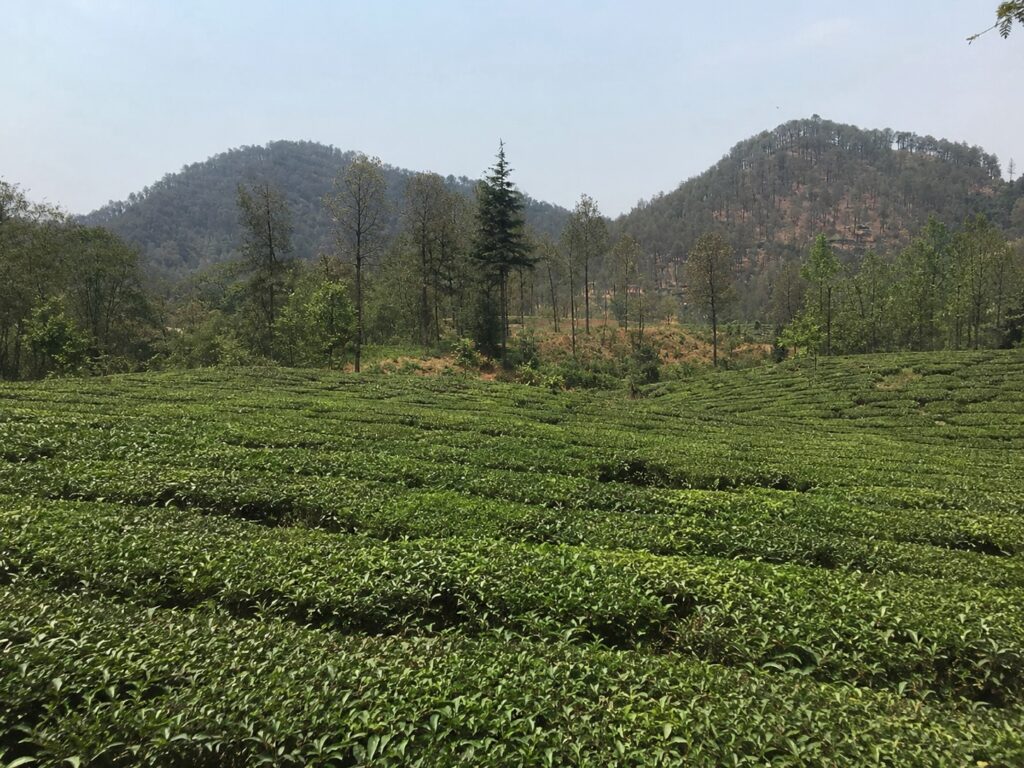
Most people forget that Bir sits in Kangra tea country, the same belt that grows the prized Kangra green and black teas. Just below the village, in the Chowgan area, the gardens roll out in neat green terraces you can wander for free, one of the most underrated places to visit in Bir Billing for a slow morning walk. Misty light after rain is when they look their best.
The gardens themselves are the real draw and always open to wander. The Bir Co-operative Tea Factory near the market sometimes opens up to show how the local leaf is processed, but access comes and goes, so ask around in the market about current timings rather than counting on it. And if you catch the tea bug, the bigger Wah Tea Estate is a short drive away near Palampur, about 17 km, with proper estate walks.
8. Camp under the stars
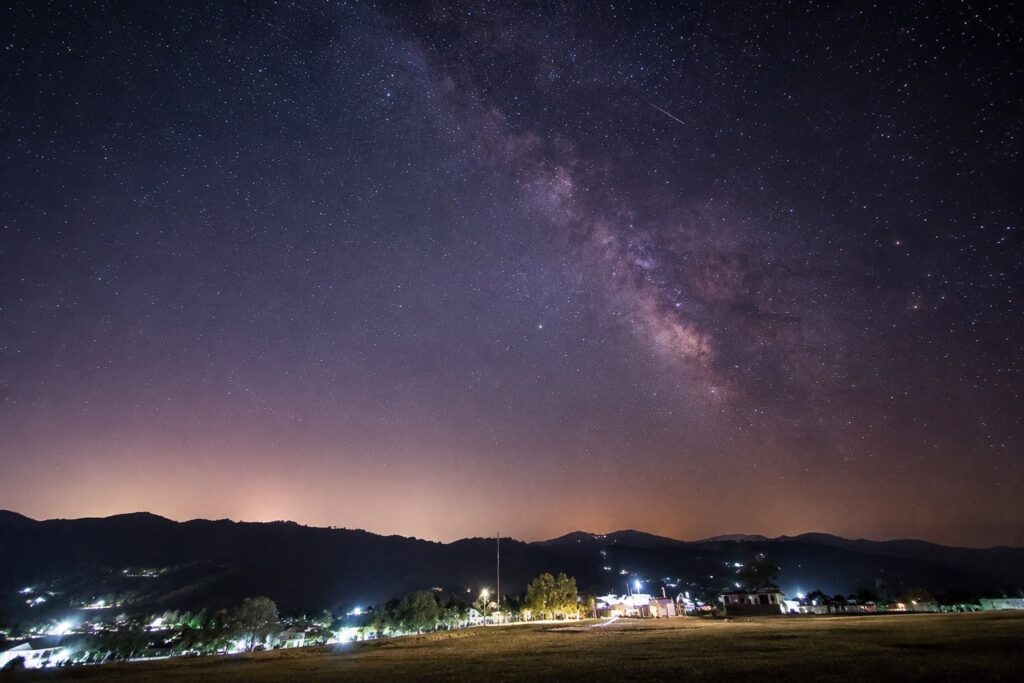
Bir is one of the easiest places in Himachal to spend a night under canvas, and it is worth doing at least once. Campsites ring the village in two flavours: riverside camps down toward Gunehar, gentle, green, good for families, and higher alpine-style sites out toward Billing and Rajgundha for bigger views and colder nights.
What a night actually looks like: a bonfire after dark, a sky absolutely loaded with stars once the village lights drop away, and, if you are at a higher camp, the first paragliders launching at dawn while you cradle a chai. Prices run from roughly ₹700 for a basic tent with meals to ₹2,500 and up for a glamping setup with proper beds.
One honest warning: book a real, reviewed campsite in advance, especially on weekends. Do not hand cash to someone touting tents at the landing site. That is how people end up in a leaking tent miles from a toilet. Two minutes reading recent reviews saves the whole night.
9. Day-trip to Baijnath Temple
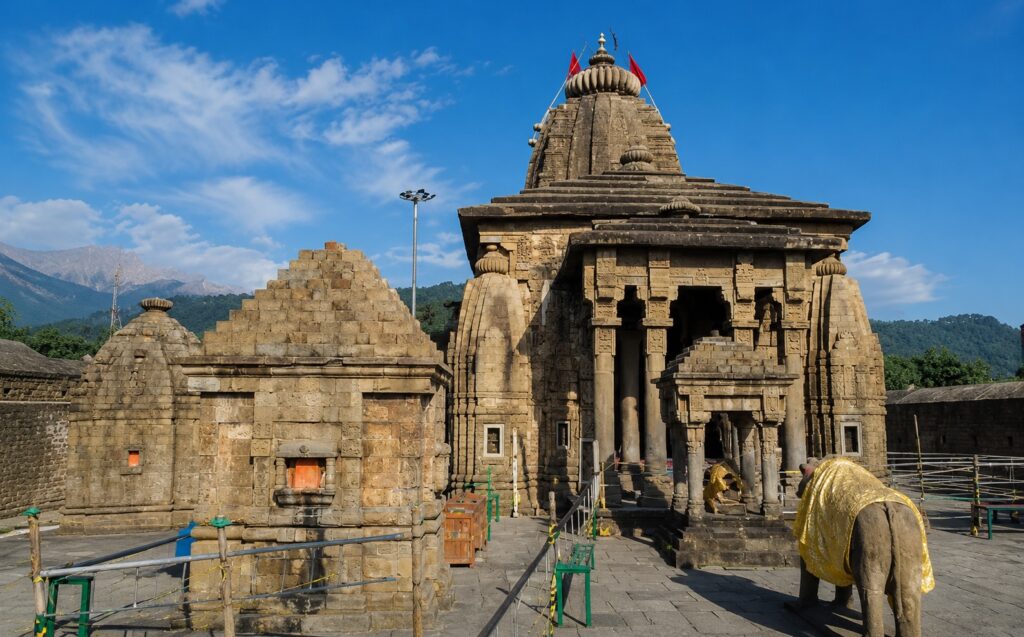
A short drive from Bir, at Baijnath, stands one of the oldest and most beautiful temples in Himachal, a stone Shiva temple built in 1204 CE, so it is genuinely 13th-century, not the “9th-century” date copied across half the travel sites. Here Shiva is worshipped as Vaidyanath, the lord of healing, and the carved Nagara-style stone shikhara is the real draw: weathered, intricate, and still a living place of worship.
It sits about 13 to 16 km from Bir depending on your route, an easy half-day trip that pairs naturally with the tea gardens or a Palampur run. If you are building a wider Kangra loop, it slots into the same offbeat circuit in our Offbeat Places in Dharamshala.
10. Ride the Kangra Queen toy train
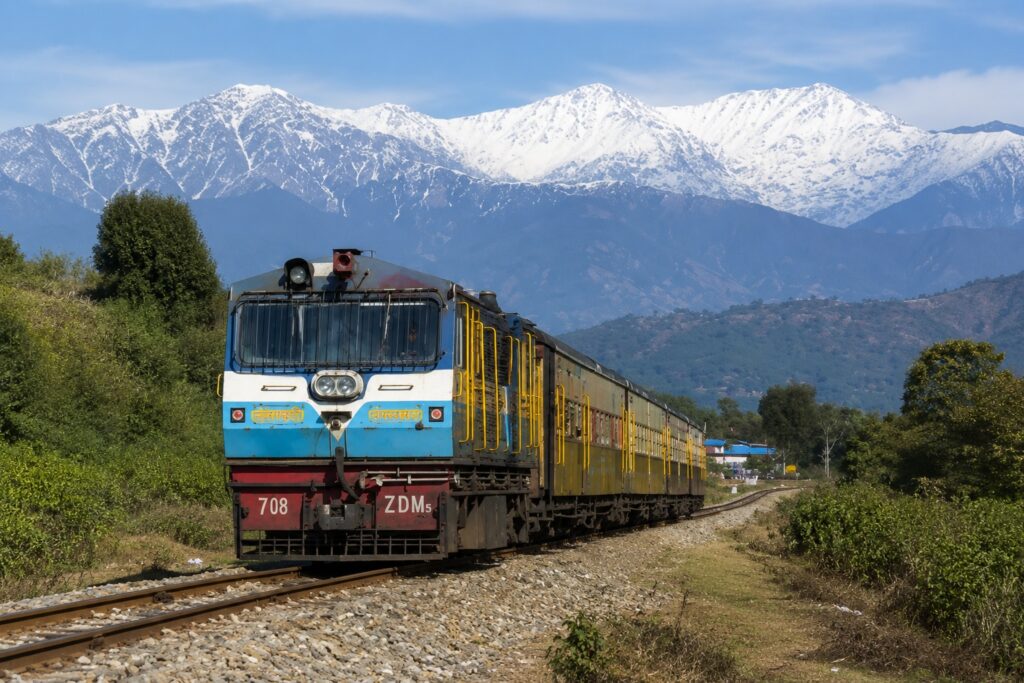
For a proper slow-travel day, ride the Kangra Valley narrow-gauge railway, the little toy train on the scenic Pathankot to Joginder Nagar line. You do not need a big station: you can board at Ahju, a tiny halt just about 3 km from Bir. This is not transport you take to save time, it is the opposite. It rattles along slowly past fields, streams, and mountain views, and that is the whole point. Pick a short hop, sit by the window, and let it be the laziest, prettiest hour of your trip.
One thing worth knowing before you walk down to Ahju: nothing on this line can be booked online, the timings shift with weather and maintenance, and picking the wrong hop can turn a lazy hour into a stranded afternoon. I rode the Kangra end of it properly, so here is which hop to pick and how the tickets actually work, including the stretch that keeps the Dhauladhars in view the whole way.
11. Escape to Barot Valley & Rajgundha
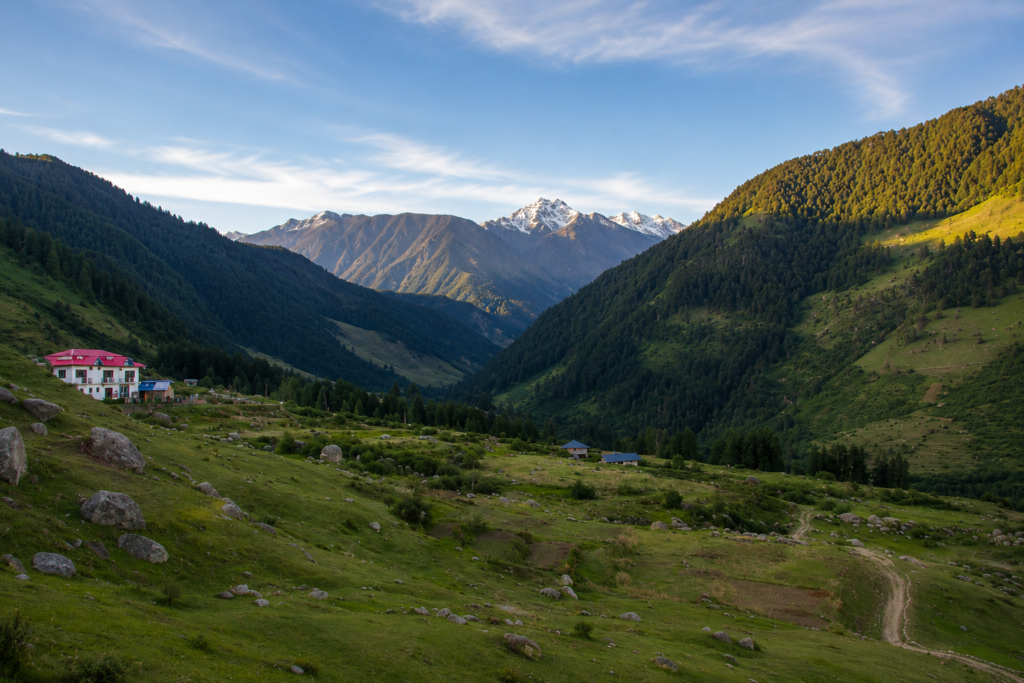
When you are ready to leave the village for a day, two escapes stand out. Barot Valley, about 50 km away on the Uhl River, is a quiet green pocket known for trout fishing, the Nargu Wildlife Sanctuary, and riverside camping, a full day trip or an overnight if you can spare it.
Rajgundha is the other, a high alpine meadow village reached by a roughly 15 km trek from Billing (or a bumpy off-road jeep ride), the kind of place where the road runs out and the quiet takes over.
Rajgundha in particular is a proper trek, making it one of the most rewarding adventures in the area for hikers looking to get beyond Bir’s main attractions.
Both are reminders that Bir is also a doorway into some of Kangra’s most underrated corners.
12. Find the hidden gems locals love
Finally, the two spots I would not have found without local tips, and that almost never make the aggregator lists. Choti Machiyal is a small, serene lake-and-temple spot about a 20-minute ride from the village through clusters of outlying homes, the sort of place you half-doubt exists until it appears. And the Mata Maheshwari Mandir, the one I flagged for sunsets, is a roughly 45-minute hike up through pine forest to a temple with what may be the best view in Bir, the Dhauladhar ranges standing up like a wall, especially at sunrise or sunset.
Both are a little out of the way, so go with company if you can. Not because they are unsafe, but because the trails are quiet and half the joy is sharing the find. These are the places that turn a Bir trip from a tick-box into a memory.
How many days do you need in Bir? (2, 3 & 4-day itineraries)
Three days is the sweet spot: one to fly, one to explore, and one as a buffer, because paragliding is weather-dependent and you want a spare day in case your slot gets pushed. Two days works for a quick weekend hit; four or five if you want to genuinely slow down or work remotely from a cafe.
2 days (the quick hit)
- Day 1: Arrive, settle in Bir, wander the Tibetan colony and Chokling Monastery, then sunset at the landing site and a cafe dinner.
- Day 2: Paragliding first thing (calmest air), Gunehar waterfall after lunch, evening bus out.
3 days (recommended)
- Day 1: Arrive, Tibetan colony, Chokling, cafe-hop, sunset at the landing site.
- Day 2: Paragliding in the morning (the buffer day if the weather turns), Deer Park Institute and Sherabling in the afternoon.
- Day 3: Waterfall hike (Gunehar or Bangoru) or the tea gardens, with Baijnath Temple on your way out.
4 to 5 days (the slow version)
- Add a day trip to Barot Valley or a trek to Rajgundha, walk the Bir-to-Billing trail instead of driving, hunt down the hidden gems, and leave whole afternoons free for the cafes. This is the version I would choose.
Folding Bir into a longer trip? Our Dharamshala Itinerary shows how to stitch it together with the Dharamshala side.
Best time to visit Bir Billing (and what winter is really like)
The best time to visit Bir Billing is March to June and September to November, when skies are clear, winds are stable, and paragliding runs at full tilt. Those are also the prettiest months on the ground.
The honest season-by-season version:
- Spring & summer (Mar-Jun): peak flying, pleasant days, the busiest weekends.
- Monsoon (Jul-Aug): lush and quiet, but flights mostly shut down and trails turn slippery. Good for cheap stays and green calm. Save the wet afternoons for the cafes or the quirky Amuzium illusion museum.
- Autumn (Sep-Nov): many locals’ favourite, the clearest skies of the year.
- Winter (Dec-Feb): cold, often snow-dusted, and beautifully quiet. Flights still run on clear days, but the higher launch at Billing can get snowed in. The cheapest, calmest time to come if you do not mind layering up.
For how this lines up with the wider region, see our Best Time to Visit Dharamshala.
How to reach Bir (and why I’d base in Dharamshala)
Two main ways in. The budget classic is an overnight Volvo from Delhi straight to Bir, roughly 10 to 12 hours. Make sure your drop point is inside Bir so you are not paying another ₹100 to ₹200 to reach your stay. The faster way is to fly into Gaggal (Kangra) airport near Dharamshala, about 70 km away, then take a taxi (2 to 3 hours).
My honest local advice: if you have a few days, base yourself in Dharamshala and treat Bir as a day or overnight trip. It is only about 65 km away. You get far more stay options, the bigger Dharamshala sights, and Bir on the same trip. Full routes are in our How to Reach Dharamshala, and the wider plan in our Dharamshala Travel Guide.
Is Bir safe, and is it good for solo travellers or a workation?
Yes on both counts. Bir is one of the calmer, friendlier towns in Himachal, and a genuinely comfortable place for solo travellers, including solo women. The cafes are social, the colony is walkable, and people look out for each other. Use the usual sense after dark on the quieter outlying trails, but the village itself feels easy. For a deeper take on travelling the region solo, see our Solo Female Traveller in Dharamshala.
It is also one of India’s quiet workation capitals: a slow pace, dozens of cafes with decent wifi, and long-stay homestays mean people routinely come for a week and work for a month. If that is you, our Why Remote Workers Are Choosing Dharamshala and Best Homestay in Dharamshala cover the practical side of basing in the region.
One safety note specific to paragliding: standards vary, so book a reputable operator, check the pilot’s credentials, and fly in calmer morning or evening slots rather than the crowded midday rush.
Where to stay in Bir
For a night or two in Bir itself, you have hostels (Zostel and The Hosteller are the social budget picks), homestays in the upper village and Chowgan, and the campsites covered above. Book ahead on weekends, when the Delhi and Chandigarh crowds fill the good places.
That said, for a longer trip the move I would make is to base in Dharamshala, where you get a wider range of stays and the rest of the Kangra valley on your doorstep, and day-trip to Bir. Our Best Homestay in Dharamshala is the place to start.
The local verdict
Do not treat Bir as a fly-and-leave stop. That is the one mistake.
Here is the rhythm of a perfect Bir day, from someone who has had plenty of them: fly at dawn while the air is calm, monastery-hop through the Tibetan colony by mid-morning, drop into a cafe for a long lunch, walk it off at the Gunehar waterfall in the afternoon, and be at the landing site for sunset. Then do it again the next day with the tea gardens, a trek, or a day trip swapped in.
That is exactly why Bir is best as a day or two inside a wider Kangra trip, not a rushed weekend. Base yourself in Dharamshala, plan the region with our Dharamshala Travel Guide, book your stay through our Best Homestay in Dharamshala, and come to Bir for everything that happens after you land.
Frequently asked questions
What is there to do in Bir Billing besides paragliding?
Plenty. Bir has Tibetan monasteries (Chokling, Sherabling), forest waterfall hikes (Gunehar, Bangoru), one of Himachal’s best cafe scenes, tea-garden walks, camping, the Deer Park Institute, and day trips to Barot Valley and Baijnath Temple. Most visitors are surprised how much fills the days around the flight.
Is 2 days enough for Bir?
Two days covers a quick hit: paragliding, a monastery, the cafes, and a sunset. But because flights are weather-dependent, three days is safer and lets you add a waterfall hike or the tea gardens. Stay four or five if you want to slow down or work remotely.
What is the difference between Bir and Billing?
Billing is the paragliding takeoff site at about 2,400 m; Bir is the landing site and main village at about 1,400 m, roughly 14 km below. You stay, eat, and explore in Bir, and go up to Billing only to fly. Together they are called “Bir Billing.”
Is Bir Billing worth visiting?
Yes, and not only for paragliding. Bir is worth it for its slow pace, Tibetan-Buddhist culture, cafe scene, waterfalls, and some of the best sunsets in Himachal. It suits adventure-seekers, culture lovers, and remote workers alike, which is why so many people stay longer than planned.
Is Bir safe for solo female travellers?
Generally yes. Bir is a relaxed, walkable town with a strong solo-traveller and workation crowd, and solo women report feeling comfortable. Use normal caution on quiet outlying trails after dark, and pick a reputable paragliding operator.
What is the best time to visit Bir Billing?
March to June and September to November are best, with clear skies and stable winds for flying and trekking. Monsoon (July-August) is lush but grounds most flights, and winter (December-February) is cold, quiet, and sometimes snowy, with flights only on clear days.
What can you buy in Bir?
The Tibetan Colony market is the place to shop: Tibetan handicrafts, singing bowls, prayer flags, and warm woollens, plus bags of locally grown Kangra tea to take home. It is low-key rather than a big bazaar, which is part of the charm.
How far is Bir from Dharamshala?
Bir is about 65 km from Dharamshala, roughly a 2 to 2.5-hour drive, which makes it an easy day trip or overnight. The nearest airport, Gaggal (Kangra), is about 70 km from Bir.