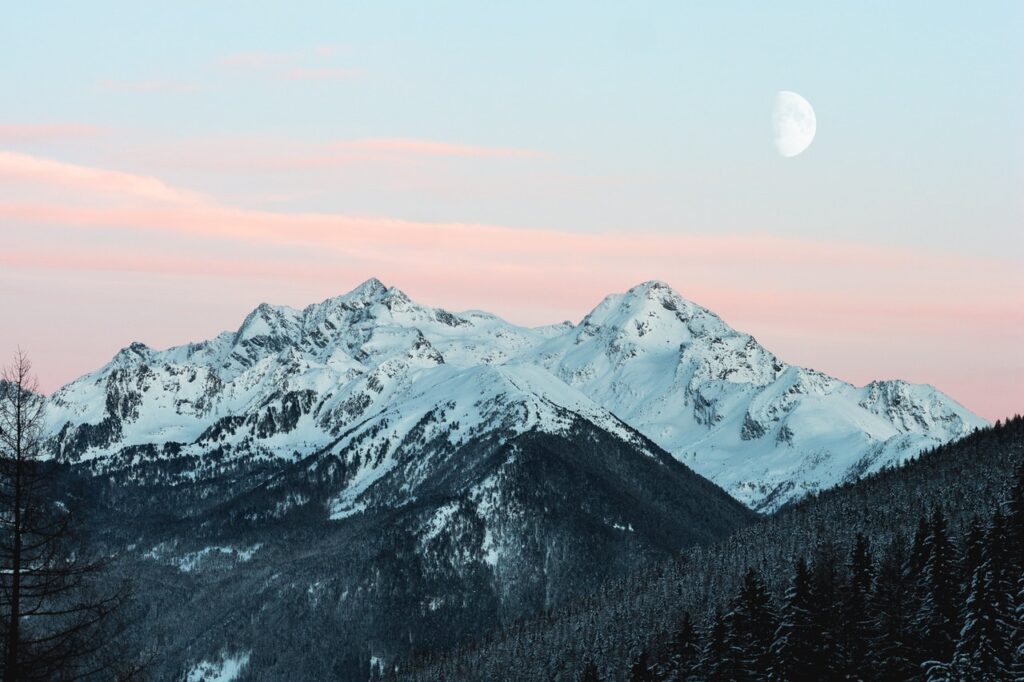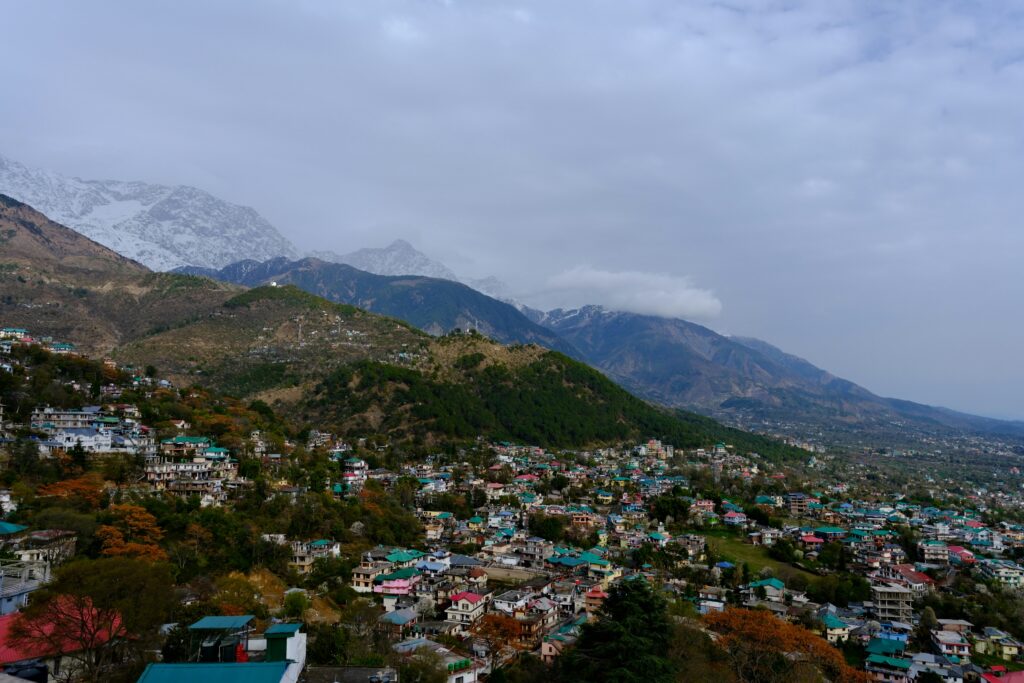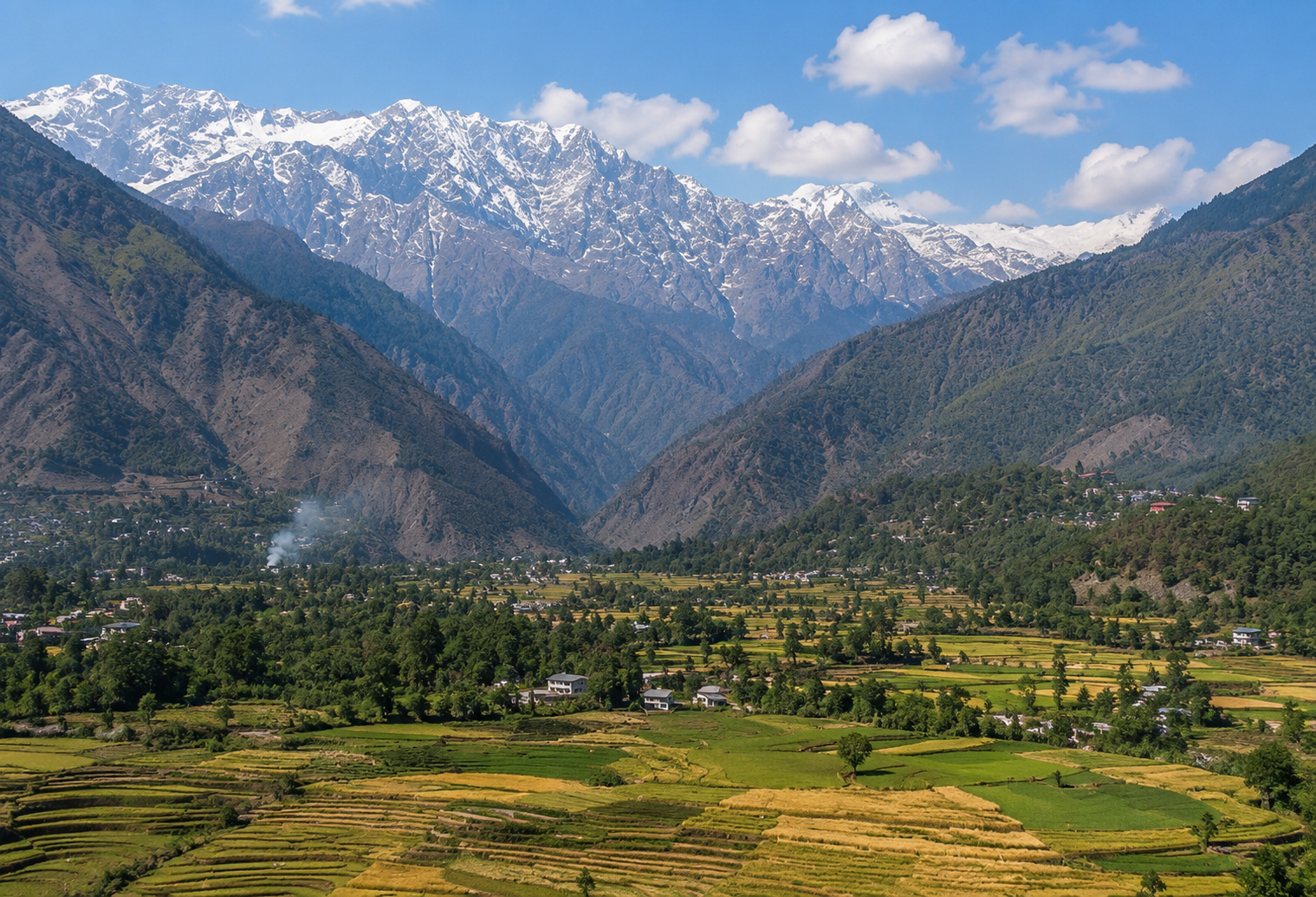
The first time Kangra Valley truly registers is on the drive up from Gaggal. The Dhauladhar range fills the windscreen, and the closer you get to Dharamshala, the more those snow-capped peaks seem to lean in toward you, wrapped in cloud against a hard blue sky. It is a genuinely surreal few minutes of road. Most visitors are too busy watching for their hotel turn to realise they have just entered one of the most underrated corners of Himachal.
Here is the strange thing about this valley: almost everyone writes about it in pieces. Dharamshala in one article, Bir in another, a tea garden in Palampur somewhere else. Very few people explain how the whole place actually fits together. That gap is exactly why so many trips here end up rushed, doubled back on themselves, or missing the parts that would have been the highlight.
I live in this valley, and I write every Manoratham guide from the ground rather than from other websites. So in this guide, I will walk you through what Kangra Valley really is and where it sits, why it stays so quietly overlooked, the places genuinely worth your time, when to come, how to reach and loop the region without backtracking, and simple 3, 5 and 7-day plans you can actually follow.
Table of Contents
What and Where Is Kangra Valley?
Kangra Valley is a river valley in the western Himalayas, in the state of Himachal Pradesh. It runs along the base of the Dhauladhar range and stretches from near Pathankot in the west up towards Baijnath, taking in Dharamshala, McLeod Ganj, Palampur, Bir and Kangra town. When locals say “Kangra,” they usually mean this whole belt, not just Kangra town.
Picture the Dhauladhar wall rising sharply on one side, still holding snow well into spring, and the land below opening out into rivers, tea slopes and old market towns. That contrast, high mountains on the north edge and soft green country beneath, is really what defines the valley. Kangra town itself was historically called Nagarkot, a name you will still spot on old temple boards and in local records.
One thing worth clearing up early, because I watch it confuse people constantly: Kangra is not a single town you tick off in an afternoon. Visitors often arrive thinking “Kangra” is one stop, then slowly realise their Dharamshala hotel, the Bir landing field and the Palampur tea gardens all sit inside the same valley. Once that clicks, the trip plans itself far more sensibly. You will also hear Kangra called one of the largest valleys in India, and whether or not it strictly tops any list, it genuinely feels that expansive once you start driving across it.
Why Kangra Valley Is Himachal’s Most Underrated Escape
So what is Kangra Valley actually famous for? A short list covers most of it:
- The Dhauladhar range and its snow line, in view from almost everywhere
- Tibetan culture and the Dalai Lama’s home in McLeod Ganj
- Paragliding in Bir, one of the finest flying sites in the world
- Kangra tea and the green estates around Palampur
- Ancient Shakti Peeth temples and the hilltop Kangra Fort
- Kangra painting, the delicate miniature art born in these hills
- The century-old narrow-gauge toy train that winds through the valley
That is a lot for one region, which is what makes it odd that Kangra sits so far off the usual Himachal route. Manali and Shimla take the crowds, the traffic jams and the honeymoon packages. Kangra quietly keeps the mountains, the history and the tea, minus the queues. For me, that is the entire appeal. You get the Himalayas without feeling like you are lining up for them.
Having lived here my whole life, the thing I appreciate most is the weather. Kangra gives you all four seasons properly, and each one close to its best. Spring and summer are gentle rather than harsh, warm enough to walk around all day, with a cool breeze in the mornings and evenings. The monsoon is green and dramatic but without the damage that hits Kullu and Mandi. Autumn turns the forests every shade of gold and rust. Winter is crisp and beautiful without the roads sealing shut under snow the way they do in the higher hill stations. It was only from watching visitors react that I realised how rare that balance actually is.
If you want my honest read on what lives up to the hype and what does not, the most undersold thing here is Kangra painting and the valley’s art heritage. It deserves far more attention than it gets. The one I would call slightly overrated now is McLeod Ganj on weekends, when the crowds pour in and the charm disappears under the traffic. Go midweek and it is still wonderful. Just do not let it overshadow the older, quieter Kangra sitting all around it.
Kangra Valley at a Glance
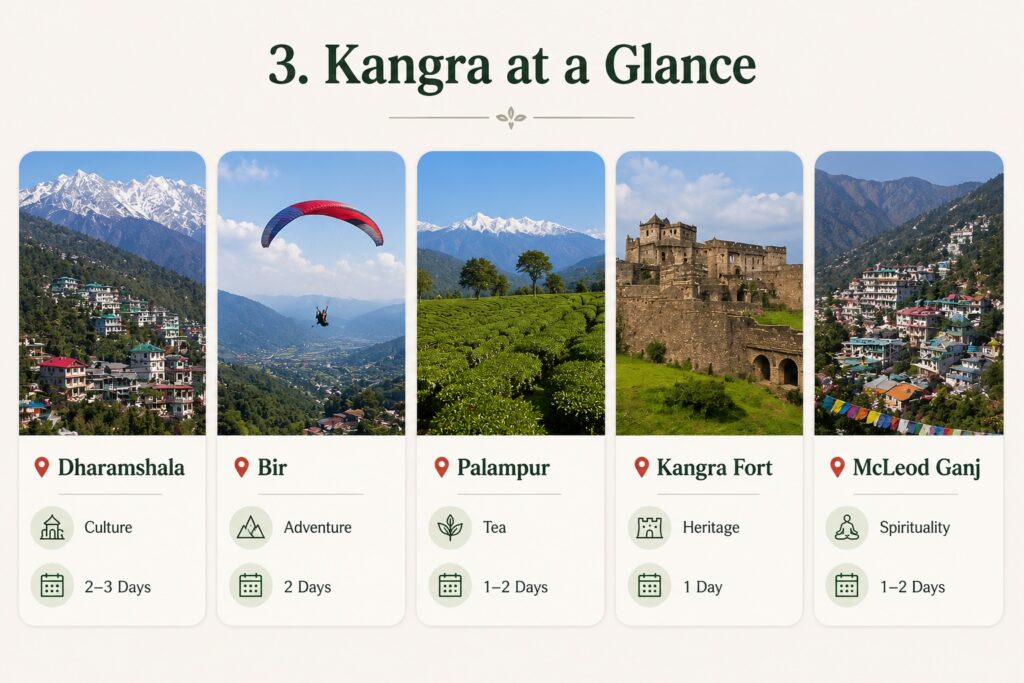
If you are short on time, here is the whole valley in one view. These are the five bases most trips are built around, and roughly what each one is for.
| Base | Known for | Vibe | Ideal days | Best for |
|---|---|---|---|---|
| Dharamshala & McLeod Ganj | Tibetan culture, Dalai Lama Temple, cafés | Busy, cosmopolitan hill town | 2-3 | First-timers, culture, cafés |
| Bir Billing | Paragliding, monasteries, quiet | Laid-back, artsy, unhurried | 2 | Adventure, slow travel, remote work |
| Palampur | Tea gardens, Dhauladhar views | Green, calm, restful | 1-2 | Tea, nature, slow days |
| Kangra Town | Kangra Fort, Brajeshwari Temple, Masroor | Old, historic, very local | 1 | History, pilgrimage |
| Andretta | Pottery, Sobha Singh Gallery, art | Tiny artist village | Half day | Art lovers, offbeat detours |
The simplest way to picture Kangra is as one long valley with the Dhauladhar running along the top. Dharamshala and Bir sit up on the higher slopes, Palampur spreads across the tea country in the middle, and Kangra town, with its fort and temples, sits lower down towards Pathankot. Andretta is a small detour off the Palampur side. Most of these are within one to two hours of each other by road, which is exactly what makes a proper valley loop so doable.
If it is your first trip, I usually suggest basing yourself around Dharamshala and taking day trips out from there. If you have been before and want the calmer side of Kangra, Bir or Palampur make a far more restful base.
Best Places to Visit in Kangra Valley
Now to the actual places to visit in Kangra. I have grouped them the way the valley is really laid out, so you can see how each base connects to the next rather than treating them as scattered dots on a map. We will move from the cultural heart around Dharamshala, out to Bir, across the tea country of Palampur, down to the old temples and fort of Kangra town, and into the quieter corners most travellers drive straight past.
1. Dharamshala and McLeod Ganj: The Cultural Heart
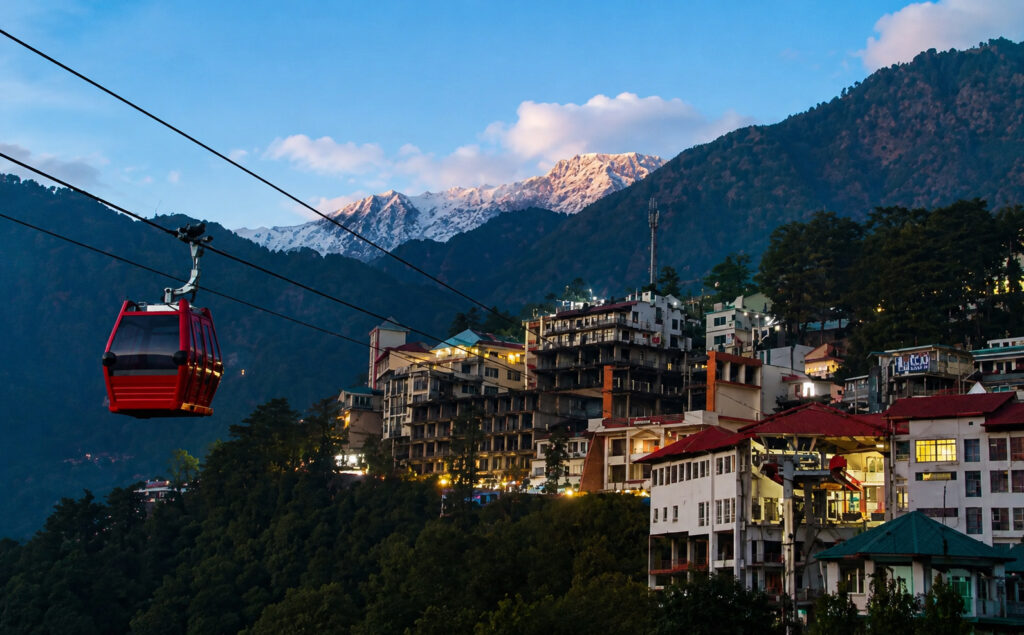
Most Kangra trips start here, and for good reason. Dharamshala and the little town of McLeod Ganj just above it are the cultural centre of the valley, home to the Dalai Lama, a large Tibetan community, and the busiest cafés in Kangra.
The obvious stops are the Dalai Lama Temple (Tsuglagkhang) and the Namgyal Monastery beside it, the waterfall and café stretch at Bhagsu, and the quieter viewpoint village of Naddi looking straight across at the Dhauladhar. If you are drawn to the spiritual side, McLeod is also where you will find meditation and yoga centres like Tushita and the courses run at Norbulingka, sitting alongside the monasteries rather than instead of them. If the monasteries are your main reason to come, our complete guide to the Tibetan monasteries around McLeod Ganj goes far deeper than I can here.
Here is what I would tell a friend: avoid McLeod on weekends if you can. Saturday and Sunday bring day-trippers from everywhere, the narrow main road jams solid, and the charm gets buried under car horns. Midweek, especially early morning, it is a completely different, gentler place. That timing alone can make or break your first impression of Kangra. If you want the full breakdown of areas, weather and where to stay, it is all in our Dharamshala Travel Guide 2026.
2. Bir Billing: Paragliding and Quiet Monasteries
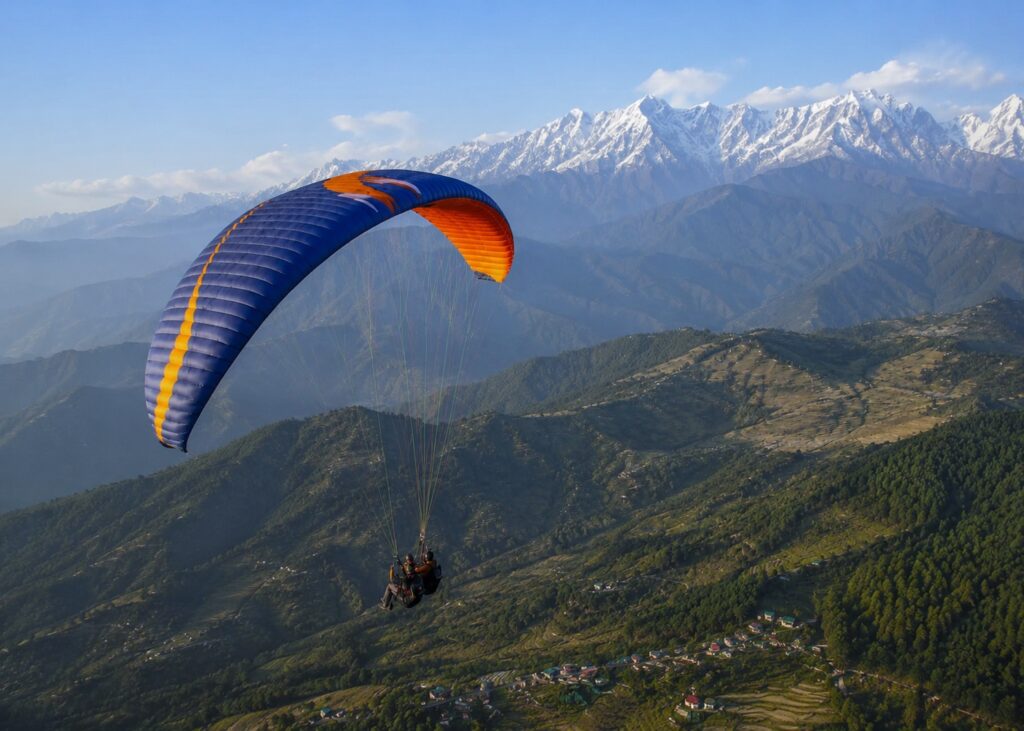
Most people know Bir for one thing, and it earns the reputation. It is one of the finest paragliding sites in the world, and drifting down over the valley to the Bir landing field is a genuinely special way to see Kangra from above. Flying works best in spring and the drier stretches of the year. Avoid the monsoon, when flights get cancelled far more often than they run. If you are seriously considering it, I have written an honest, first-hand Bir Billing paragliding guide covering cost, safety and what it actually feels like.
But Bir is worth a stay even if you never leave the ground. What I love about it is the pace and the people. It has probably the best young community in the valley: artists, creatives, and travellers who came from all over the world and quietly never left. Blue skies, that wide-open landing field, cafés where nobody is in a hurry, and a laid-back, creative calm make it obvious why so many of them stay. It is the kind of place a recluse would happily disappear into. There is plenty to fill a couple of unhurried days, which is exactly why I put together a list of the Best Things to Do in Bir Billing.
Make time for the Tibetan Colony and its monasteries too, especially Chokling inside the colony and the grand Sherabling Monastery, a short drive away.
3. Palampur and the Tea Gardens
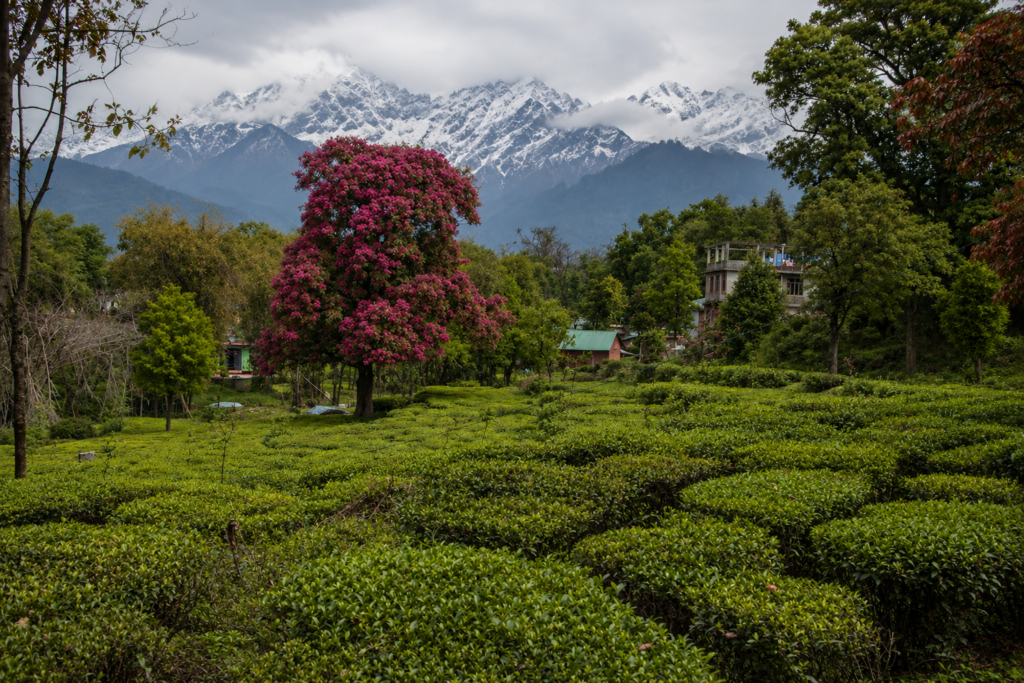
Drop down into the middle of the valley and the whole landscape turns green. Palampur is Kangra’s tea country, often called the Tea Capital of North India, and the estates here are the real thing, not just a backdrop for photos. Neugal Khad, a stream with the Dhauladhar rising behind it, is the popular local hangout, and the artist village of Andretta is a short hop away.
If you only do one thing in Palampur, make it the Wah Tea Estate. On a misty morning, the rows of tea vanish into fog and it feels like another country altogether. They have a lovely little café on the estate serving authentic Kangra tea in several flavours along with homemade cakes, so you can sit with a cup right in the middle of the gardens and take your time. For the monastery-minded, Tashijong Monastery sits nearby on this side of the valley too.
Local tip
Skip the roadside “tea garden view” stops that tour cars pull into for a quick photo. Walk into an actual working estate like Wah Tea estate instead. The difference between standing at the fence for a picture and sitting inside the gardens with a cup of tea is the entire experience.
4. Kangra Town: The Fort, the Temple and the Rock-Cut Wonder
Lower down the valley, near where the land opens out towards Pathankot, sits old Kangra town, the historic heart of the region. Three things here are worth the drive.
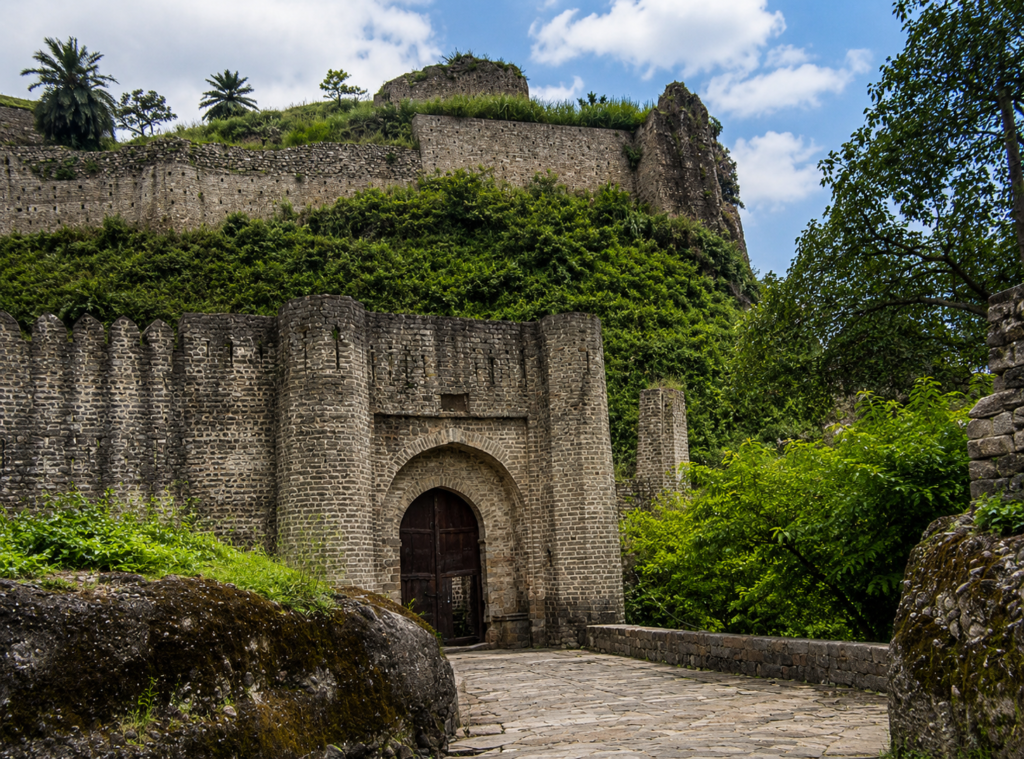
Kangra Fort (Kangra Kila) is my favourite place in the whole valley, and I do not say that lightly. It is the largest fort in the Himalayas, standing alone on a spur with the rivers running far below. The forts in Rajasthan are grander and far better kept, but almost none of them make you feel the age of a place the way this one does. What surprised me the first time was how completely empty and unadorned it was, how few visitors there were, and how remote it felt.
It is a bit like the Rajasthan forts in spirit, only bigger and rawer, and it shows you the sheer expanse of a time long gone. If I am honest, do not come expecting a polished monument. Come for the atmosphere. Most tourists skip it because they rush from McLeod straight to Bir, or assume it is just a pile of ruins, which is exactly their loss. Entry is Rs 25 for Indian visitors and Rs 300 for foreign visitors, a little less on an e-ticket, and I would keep an hour to two. Go early, before the light goes flat. If you want the whole picture first, the climb through the angled gates, the timings, what the 1905 earthquake took, and whether it earns half a day of your trip, it is all in our complete Kangra Fort guide.
The spiritual anchor of Kangra is the Brajeshwari Devi Temple, also called Kangra Devi, one of the revered Shakti Peeths. It sits right in the middle of the old market, so be ready for it. Traffic is heavy, and you park in a paid lot if you can find a space. From there, you walk up a lively lane lined on both sides with shops selling sweets, prasad, murtis and chunnis. The climb is slightly steep with a few steps, which can be hard for older visitors. You leave your shoes at a paid counter and go in barefoot. No photos are allowed inside, and at the centre is a beautiful old marble courtyard.
The third is Masroor Rock Cut Temple, the 8th-century rock-cut temples often called the “Ellora of the Himalayas”, monolithic shrines carved straight out of the rock.
If you can, pair the first two rather than chasing all three in one go. I would start early at Kangra Fort while it is still cool and quiet, then head to Brajeshwari for late-morning darshan, which makes a comfortable half day. Masroor sits 32 to 40 km further out, close to an hour each way, so give it its own slot rather than tacking it on at the end. Trying to squeeze all three in around the weekend temple crowds is exactly how people lose an afternoon.
5. Andretta: The Artist Village Most People Miss
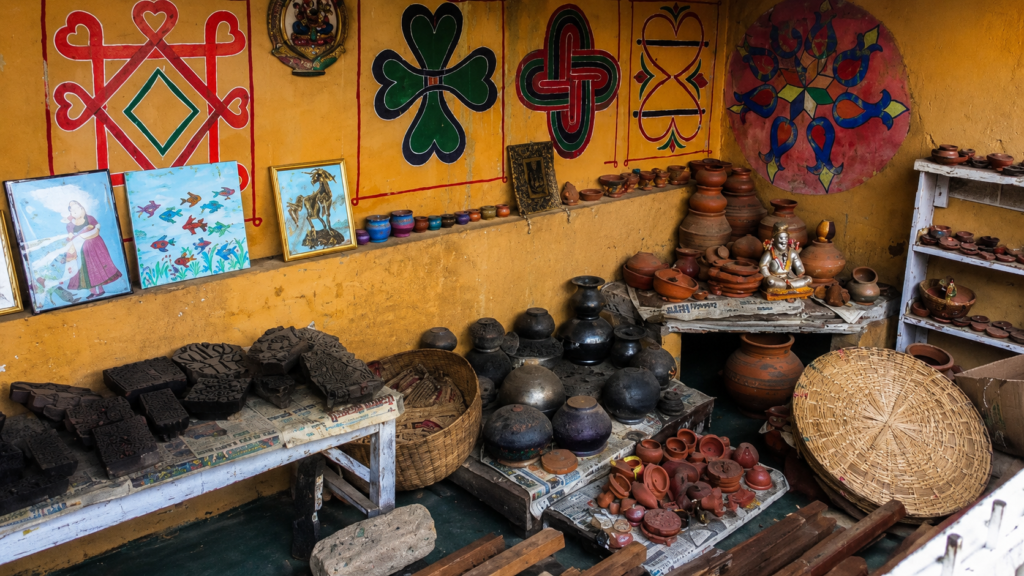
If Kangra art is the valley’s most undersold story, Andretta is where you go to feel it. This tiny village near Palampur became an artists’ colony decades ago, drawing painters, potters and theatre people, and it has quietly held on to that creative spirit ever since.
Two names anchor the place: Sobha Singh, the celebrated painter whose art gallery here still draws visitors, and Norah Richards, the theatre pioneer who made Andretta her home. There is a well-known pottery tradition you can watch up close, and the whole village ties back to the Kangra school of painting.
It is the stop I most often hear travellers say they wish they had made time for. On a slow Kangra trip, half a day here is well spent.
Hidden Gems Most Travellers Miss
Beyond the headline stops, Kangra rewards anyone willing to wander a little further. A few I would point you to:
- Baijnath Temple, a graceful 13th-century Shiva temple in beautiful old stone
- Pragpur, India’s first notified heritage village, with old havelis and cobbled lanes
- Chamunda Devi and Jwalamukhi, two more Shakti Peeths, the latter famous for its eternal natural flame
- Barot Valley, a quiet river-and-forest escape few people outside Himachal have even heard of
Common mistakes
Most people pack their days with McLeod and Bir and skip these entirely, then realise too late that the quieter corners were the best part of the trip. If I had to trim something instead, I would cut a second slow day in McLeod long before I cut Pragpur or Baijnath.
For more of this quieter side close to Dharamshala, see our guide to the offbeat places beyond McLeod Ganj.
Things to Do in Kangra Valley by Interest
Kangra suits very different kinds of travellers, so here is the valley sorted by what you are actually into. Pick your thread and plan around it.
1. For Pilgrims and Temple Lovers
Kangra is one of India’s great temple regions, home to several of the revered Shakti Peeths. You can string together Brajeshwari (Kangra Devi) in Kangra town, Chamunda Devi, Jwalamukhi with its eternal flame, Chintpurni and the ancient Baijnath Shiv Temple into a proper pilgrimage circuit. If you are here to pray rather than sightsee, this is where I would spend your days, and I would start each one early, when the temples are calmer and feel far more meaningful.
2. For Monastery and Meditation Seekers
The valley is quietly one of the best Buddhist trails in India. Begin with Namgyal Monastery beside the Dalai Lama Temple in McLeod Ganj, add a meditation or yoga course at Tushita, then head out to Chokling Monastery and the grand Sherabling near Bir, and Tashijong on the Palampur side. For the full picture, our guide to the Tibetan monasteries around McLeod Ganj maps them all out. Done slowly, it is a restful week in itself.
3. For Tea and Slow Nature
This is the gentlest side of Kangra. Walk the Palampur tea estates, sit a while at Neugal Khad with the Dhauladhar rising behind you, and if you like birds, the wetlands around Pong Dam are wonderful in winter. My own picks are a misty morning at Wah Tea Estate with a pot of their Kangra tea, and the Chilgari Tea Estate, which has its own Himachal tea shop where you can buy the local leaf to carry home.
4. For Adventure
Bir is the obvious draw for paragliding, but it is not the only place to fly. Indru Nag, near Dharamshala, is a popular launch too. The walking here is just as good as the flying. Triund is the classic first Himalayan trek, with tougher Dhauladhar routes and the beautiful Kareri Lake for those who want more.
A small local tip: the cable car from Kotwali Bazar up to McLeod Ganj is a lovely ride and saves you the traffic-clogged drive. Start with our Triund Trek guide, or browse the wider options in our Best Treks in Dharamshala guide.
5. For Art and Heritage
This is the side of Kangra I most wish people made time for. Seek out the Kangra school of painting, and in Dharamshala itself visit the Kangra Art Museum and the Naam Art Gallery. Further down the valley, Andretta is worth the trip for its pottery and the Sobha Singh Gallery, and Kangra town rewards a proper morning at the Fort, whose museum holds Kangra School miniatures alongside royal artefacts, and the rock-cut wonder of Masroor.
6. For Remote Workers and Slow Travel
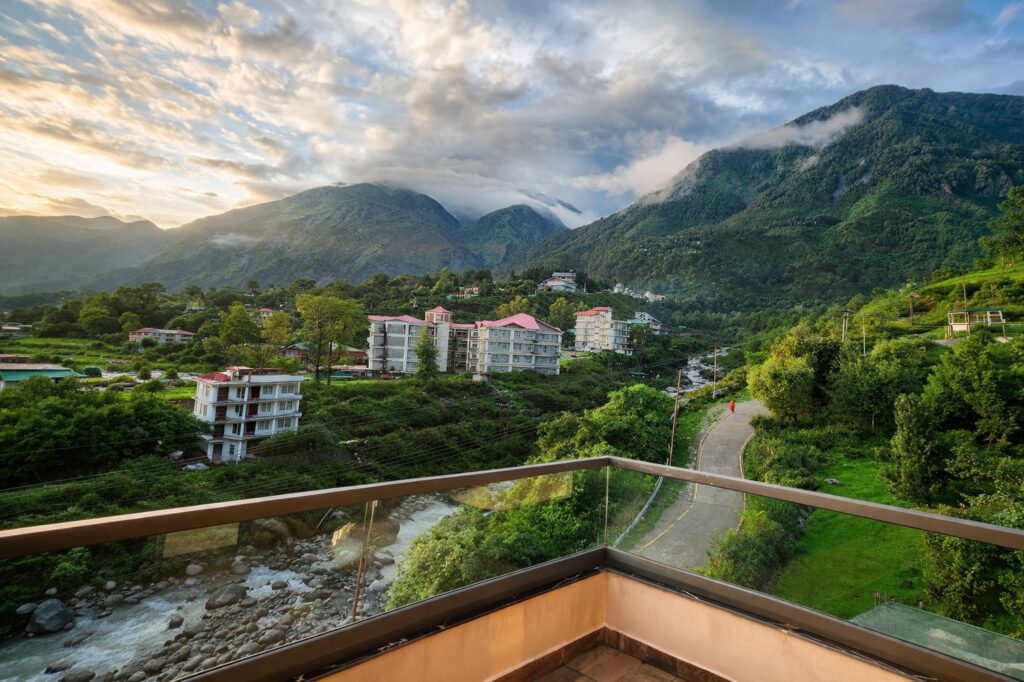
Reliable internet, low costs, good cafés, mountains and calm have quietly made Kangra a favourite for people who work while they travel. If that is you, our guide on why remote workers choose Dharamshala covers the lifestyle side, and our honest look at internet and power in Dharamshala tells you exactly what to expect from Wi-Fi and power cuts.
For a longer stay, Manoratham Villa is the best base for remote work in the area, set up for exactly this with dependable internet, backup power, and the comforts you need to settle in and work for a while.
7. Ride the Kangra Valley Toy Train
The Kangra Valley Toy Train is a 164 km narrow-gauge heritage railway running from Pathankot in Punjab to Joginder Nagar in Himachal, built in 1929 and now on UNESCO’s tentative World Heritage list. The full run takes about 10 hours, fares start as low as Rs 10 and rarely cross Rs 40, and the line reopened in June 2026 after a long closure.
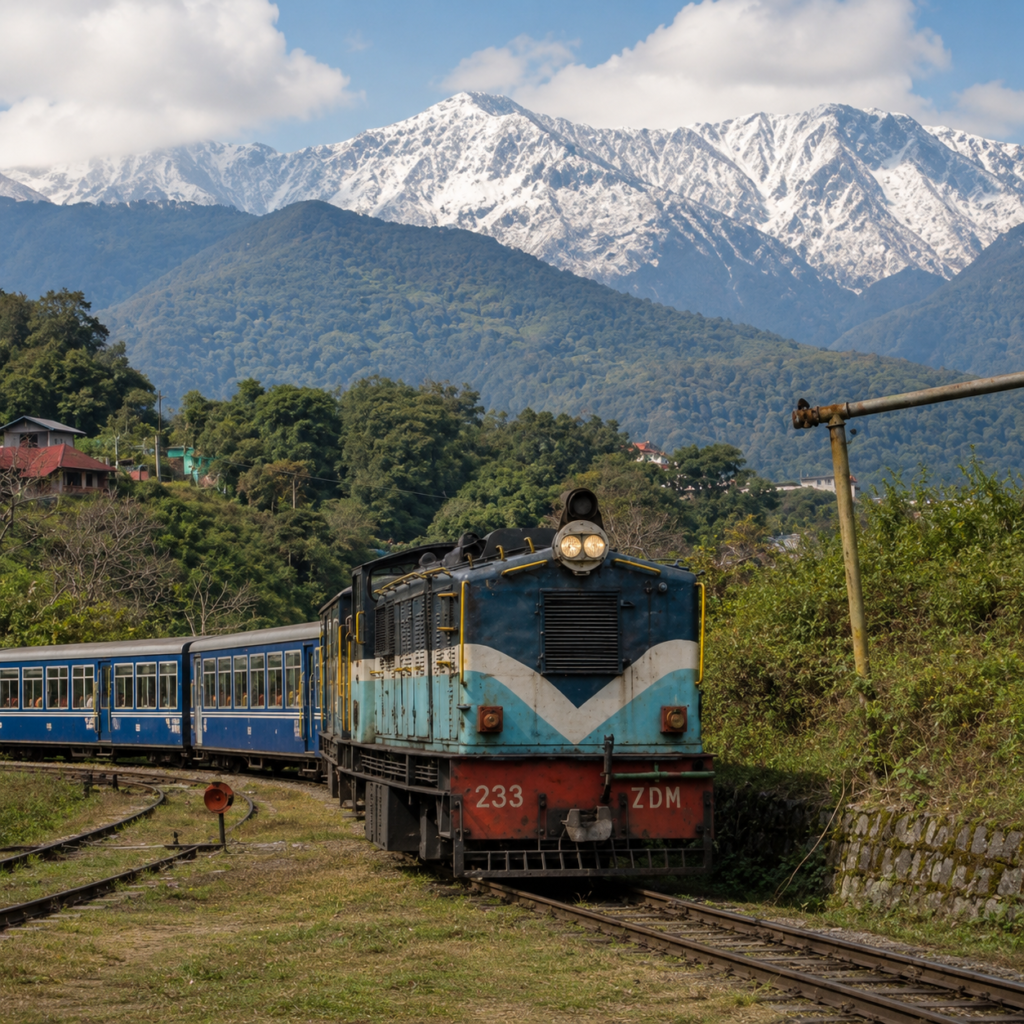
If there is one experience I would tell you not to overthink, it is this little train. For almost no money, you get one of the loveliest slow journeys in the country, winding past tea gardens, temple towns and close to a thousand small bridges, with the Dhauladhar rising into view after Guler. Watching those snow peaks appear over the tea slopes from a slow-moving window is the kind of thing that stays with you long after the trip.
You do not need to sit through all 10 hours to enjoy it. The stretch I would pick is Palampur to Baijnath Paprola and on towards Ahju, which is easily the prettiest part of the line.
A few practical things before you build a plan around it. The line was shut for nearly four years after the 2022 monsoon damaged the Chakki River bridge, and it only reopened in June 2026, so always confirm it is running before you count on it. Maintenance often falls on a Friday, and tickets cannot be booked online at all. You buy them at the station counter. For Dharamshala or McLeod Ganj, you get down at Kangra Station, roughly 17 to 27 km away. If you can, take a seat on the side facing the mountains for the best Dhauladhar views.
I finally did this ride myself instead of driving, Kangra up to Palampur on a clear morning, and it changed how I think about getting around this valley. If you want to know what the toy train journey is actually like before you give it a day, I have written the whole thing up, platform to tea gardens.
Best Time to Visit Kangra Valley
The best time to visit Kangra Valley is spring, from March to June, when the days are pleasant, the Dhauladhar still holds snow, and every base from Dharamshala to Bir is comfortable. October and November are just as good, with the clearest mountain views of the year and thinner crowds once the monsoon clears.
| Season | Weather | Crowds | Why come / what to watch | Snow |
|---|---|---|---|---|
| Spring (Mar-Jun) | Warm days, cool evenings | High (peak May-Jun) | Best all-rounder, green and clear | Snow on the Dhauladhar into spring |
| Monsoon (Jul-Sep) | Heavy rain, mist | Low | Lush and quiet, watch for landslides | None |
| Autumn (Oct-Nov) | Crisp, dry | Moderate | Clearest views, fewer people | Early dustings high up by late November |
| Winter (Dec-Feb) | Cold | Low | Peaceful, cosy, chance of snow | Snowfall in upper Dharamshala and higher reaches |
If your only free window is the monsoon, do not write off Himachal completely. This is something I genuinely wish more people knew: when the rains hit hard, it is usually Kullu, Manali and Mandi that flood and make the news. The Kangra side, meaning Dharamshala, Palampur and Bir, generally stays far more manageable, and you get misty, green, beautiful days out of it. Small landslides are always a risk in the hills after heavy rain, so keep your plans flexible. Within Himachal, Kangra is honestly the safer monsoon choice.
For a month-by-month breakdown specific to Dharamshala, see our guide to the Best Time to Visit Dharamshala. If the rains are on your mind, our Dharamshala Weather Guide goes deeper into the monsoon.
How to Reach Kangra Valley and Get Around
Getting to Kangra is easier than its tucked-away feel suggests. There are three ways in.
By air: The valley has its own airport at Gaggal, also called Kangra Airport (DHM), about 10 km from Kangra town and well placed for Dharamshala. Flights do run from Delhi, but they are limited and weather-dependent, and cancellations are common when the weather turns, so I would not build a tight schedule around them.
By train: The nearest major railhead is Pathankot, from where it is a two to three-hour drive up into the valley. Pathankot is also where the Kangra Valley Toy Train begins, if you fancy the scenic way in.
By road: Overnight Volvo and HRTC buses run from Delhi (ISBT Kashmere Gate) and Chandigarh, usually an 8 to 12-hour journey, depending on where in the valley you are headed.
| Route | Distance (Approx.) | Drive Time (Approx.) |
|---|---|---|
| Delhi to Dharamshala | 485 km | 10-12 hr |
| Chandigarh to Dharamshala | 240 km | 5-6 hr |
| Pathankot to Dharamshala | 85 km | 2.5-3 hr |
| Dharamshala to Kangra Town | 17 km | 45 min |
| Dharamshala to Palampur | 35 km | 1-1.5 hr |
| Dharamshala to Bir | 65 km | 2-2.5 hr |
| Palampur to Andretta | 13 km | 30 min |
Once you are here, the valley is best explored by taxi or a self-drive car. Buses connect every town cheaply but eat into your day. The bases sit close enough together that a single loop is very doable.
Common mistakes
The routing mistake I see most often is people basing themselves in Dharamshala and then day-tripping back and forth to Bir, Palampur and Kangra town on separate days, losing hours to the same stretches of road twice. Do it as a loop instead, or shift your base as you move through the valley. It saves you a surprising amount of driving.
For full step-by-step routes from Delhi, Chandigarh, Bangalore and beyond, we have a dedicated guide on how to reach Dharamshala.
Still working out where to stay, which places are actually worth your limited days, or how to fit it all together? Send me a WhatsApp and I will help you plan the trip and pick a base that suits you. If a relaxed home base like Manoratham Villa works for your dates, I can help you with that too.
Message me on WhatsApp · +91 86289 32035Kangra Valley Itineraries (3, 5 and 7 Days)
How many days do you need for Kangra Valley? Three days is the rushed version, five is comfortable, and seven lets you actually slow down. Here is how I would plan each, built as a loop so you are not driving the same road twice.
3 Days: The Essentials
- Day 1: Dharamshala and McLeod Ganj, Dalai Lama Temple, Bhagsu
- Day 2: Naddi viewpoint, a short trek or the start of Triund, cafés
- Day 3: Drive to Bir for paragliding or the monasteries, and head out from there
This covers the headline valley without cramming.
5 Days: Add the Tea and the Temples
- Days 1-2: Dharamshala and McLeod Ganj
- Day 3: Palampur, Wah Tea Estate, Neugal Khad
- Day 4: Kangra town, the Fort and Brajeshwari Temple
- Day 5: Bir, then depart
This is the version most of my guests end up choosing. It gives you culture, tea and history without ever feeling rushed.
7 Days: The Slow Valley
- Days 1-2: Dharamshala and McLeod Ganj, plus a proper trek day
- Day 3: Palampur and Andretta
- Day 4: Kangra town, temples and fort
- Days 5-6: Bir, monasteries, cafés and flying
- Day 7: Barot or Pragpur, or simply a slow day with nowhere to be
The day people overpack is almost always the first one, trying to see all of McLeod in an afternoon. Leave it room to breathe.
If you are doing the longer, slower version, it really helps to have one comfortable base to return to each evening instead of changing hotels every night. That unhurried kind of Kangra trip is exactly what we built Manoratham Villa for, on the Dharamshala side of the valley, with day trips heading out from there. For a Dharamshala-specific plan with 2, 3, 5 and 7-day options, see our full Dharamshala itinerary.
Travelling with elderly parents, short on days, or wanting a temple-focused loop instead of tea gardens and trekking? Send me your dates and who is coming along, and I will help you shape an itinerary that actually fits your trip.
Message me on WhatsApp · +91 86289 32035Where to Stay Across Kangra Valley
Where you base yourself matters more than which hotel you pick, because it decides how much of your trip you spend on the road. Think in terms of area first.
For a first trip, stay around Dharamshala or McLeod Ganj. You are close to the cultural sights and well placed for day trips across the valley. For a calmer, slower holiday, Bir or Palampur make lovely, unhurried bases. If you are here mainly for the temples, a night in or near Kangra town saves you the back-and-forth.
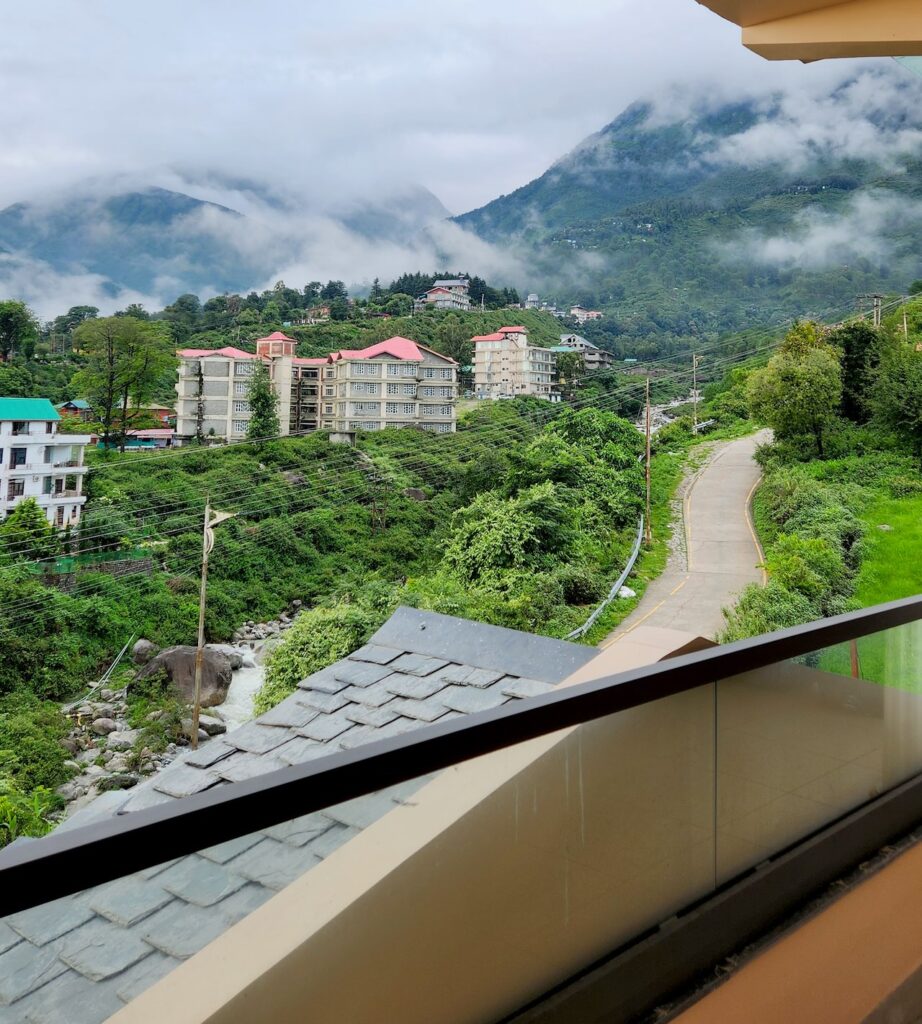
For longer or slower stays, especially if you are working remotely or travelling with family, Manoratham Villa is genuinely the best option on the Dharamshala side. It is built for exactly this kind of unhurried Kangra trip: one comfortable home to settle into while you explore the valley at your own pace.
If you want the full breakdown of areas and options, see our guide to the best long-term homestay in Dharamshala.
Local Tips for Visiting Kangra Valley
A handful of things I always end up telling people before they come:
- Plan the valley as a loop, not a hub. The single biggest time-saver is not doubling back to Dharamshala between every stop. Move through the valley in one direction where you can.
- Carry some cash for the temples. At Brajeshwari especially, you pay for parking and for the shoe counter, and the small shops on the walk up are easier with cash in hand. UPI works in most places, but tiny temple-town vendors can be hit or miss.
- Visit temples and the fort early. Brajeshwari and Kangra Fort are far more pleasant in the morning, before the crowds and the heat build. Anywhere near McLeod Ganj is busiest on weekends, so save those days for the quieter corners.
- Respect the temple rules. Modest clothing, shoes off at the counter, and remember that photography is not allowed inside Brajeshwari.
- Treat the toy train as a journey, not a shortcut. If you are short on time, do only the scenic Palampur to Baijnath stretch, or leave it for a return trip.
One last thing that pleasantly surprises people: mobile internet works really well across almost the entire Kangra Valley, even in the smaller towns and up around the tea gardens. You do not have to plan around dead zones the way you might in the remoter parts of Himachal, and it is one of the quiet reasons the valley works so well for remote workers.
A Last Word Before You Go
If you take one thing from this guide, let it be this: Kangra Valley is not a single stop, it is a whole region that quietly outshines the places getting all the attention. If it is your first trip, base yourself around Dharamshala, see the temples and the fort, and let Bir or Palampur slow you down. If you have been before, skip the obvious and give your time to the tea gardens, Andretta and the hidden corners most people drive straight past.
However you plan it, come with a little room in your schedule. This valley rewards the unhurried.
Frequently asked questions
What is Kangra Valley famous for?
Kangra Valley is famous for the Dhauladhar mountains, Tibetan culture and the Dalai Lama’s home in McLeod Ganj, paragliding in Bir, the tea gardens of Palampur, ancient Shakti Peeth temples and Kangra Fort, the delicate Kangra school of painting, and its heritage narrow-gauge toy train.
Is Kangra Valley worth visiting?
Yes, especially if you want the Himalayas without the crowds of Manali or Shimla. Kangra blends mountains, history, temples, tea and Tibetan culture in one compact region, and stays refreshingly uncommercial. It rewards travellers who slow down and explore a little beyond the obvious McLeod Ganj stops.
How many days do you need for Kangra Valley?
Three days covers the essentials around Dharamshala and Bir. Five days is comfortable and adds Palampur’s tea gardens and Kangra town’s temples and fort. Seven days lets you slow right down, adding Andretta, Barot or Pragpur, and unhurried days with nowhere in particular to be.
What is the best time to visit Kangra Valley?
Spring, from March to June, is the best all-round time, with pleasant weather and snow lingering on the Dhauladhar. October and November bring the clearest views and fewer people. Kangra also handles the monsoon better than Kullu or Manali, though small landslides remain a risk.
How do I reach Kangra Valley?
By air, fly to Gaggal (Kangra) Airport, though flights are limited and weather-dependent. By train, Pathankot is the main railhead, and also the start of the scenic toy train. By road, overnight Volvo and HRTC buses run from Delhi and Chandigarh, taking roughly 8 to 12 hours.
Is the Kangra Valley Toy Train worth it?
Yes, if you have time to spare. The full 164 km run takes about 10 hours, so most people do just the scenic Palampur to Baijnath Paprola stretch. It reopened in June 2026 after a long closure, so always confirm it is running before you plan around it.